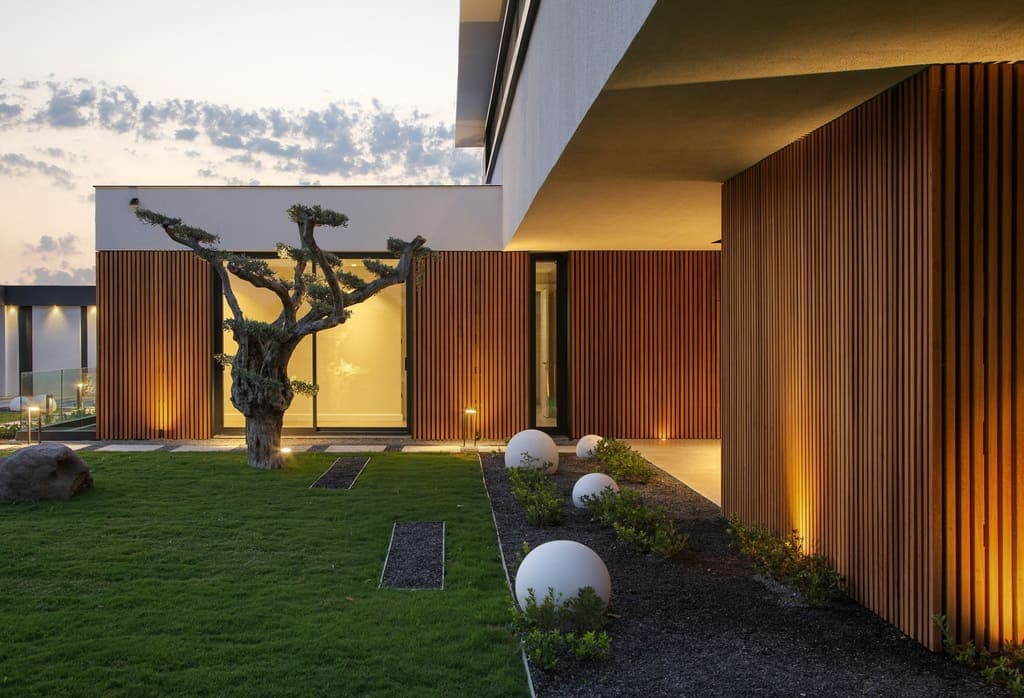
Understanding the Natural Color of Thermally Modified Wood
Thermally modified wood undergoes a high-temperature treatment process that alters its cellular structure, enhancing its stability and durability. A notable effect of this process is a change in the wood's color, typically resulting in a richer, darker tone compared to its unmodified state. The exact shade can vary depending on the wood species and the intensity of the thermal modification, ranging from a honey brown to a deep chocolate brown.
This inherent color provides a natural, sophisticated base that many designers choose to leave exposed. Unfinished thermally modified wood offers an organic aesthetic, allowing the wood's grain and character to remain prominent. It can create a warm, inviting atmosphere for interior applications or a grounded, earthy feel for exteriors. Remember that, like all wood, even thermally modified wood will naturally weather and change appearance over time when exposed to UV light and moisture.
The Impact of Natural Weathering on Unfinished Wood
When left unfinished and exposed to exterior elements, thermally modified wood will gradually undergo a natural weathering process. This process typically involves a change in color, with the wood gradually transitioning to a soft, silvery-gray patina. This graying is a natural consequence of UV radiation breaking down lignin in the wood and surface moisture. The rate and uniformity of this color change can depend on factors such as sun exposure, rainfall, and orientation of the installed material.
For many, this weathered gray appearance is a desirable aesthetic, evoking a sense of timelessness and blending harmoniously with natural surroundings. If this natural graying is the desired outcome, no stain or finish is required. However, it's important to understand that this is a gradual process and the color change may not be perfectly uniform across all surfaces, particularly in areas with varying exposure to the elements.
Choosing Stains and Finishes for Color Control
To maintain or alter the initial color of thermally modified wood, or to slow the natural graying process on exterior applications, stains and finishes can be applied. These products come in a wide range of transparent, semi-transparent, and opaque options, each offering different levels of color saturation and protection.
Transparent finishes primarily enhance the wood's natural color and grain, offering minimal alteration. Semi-transparent stains add a hint of color while still allowing the wood's texture to show through. Opaque stains, on the other hand, provide a solid color, completely covering the wood's natural appearance. The choice of finish type will depend on the desired aesthetic and the level of color control required.
When selecting a stain, consider how its pigment will interact with the underlying brown tones of the thermally modified wood. A sample application on a piece of the actual wood is highly recommended, as the final color can look different than on a swatch or a different wood species.
How Light Affects Perceived Color and Finish
Light plays a crucial role in how we perceive color and finish. The same thermally modified wood with the same stain can appear dramatically different under various lighting conditions. Natural daylight, with its constantly shifting intensity and color temperature, will present the most dynamic range of appearances.
Consider the orientation of your project: a north-facing wall will receive indirect, cooler light, while a south-facing wall will experience direct, warmer light. Morning light has a different quality than afternoon light. Interior applications will be influenced by both natural light from windows and artificial lighting sources, which can range from warm incandescent to cool LED.
To accurately assess your color and finish choices, observe samples at different times of day and under the specific lighting conditions where they will be installed. This is particularly important for darker finishes, which can absorb more light and appear very different in bright versus dim environments. For exterior projects, consider how direct sunlight might highlight certain profiles or textures, while shadows might deepen the perceived color.
A Worked Example: Selecting Siding for a Covered Porch
Consider a homeowner planning to install thermally modified wood siding on a covered porch. The porch faces east, receiving direct morning sun but remaining largely shaded in the afternoon. The desired aesthetic is a warm, inviting look that complements the existing brick foundation. The homeowner is weighing two options: an unfinished natural look or a light semi-transparent stain.
**Option 1: Unfinished Thermally Modified Wood.** The initial rich brown of the wood is appealing. However, due to the eastern exposure, the morning sun will accelerate the natural graying process on the exposed edges of the siding over time. The homeowner understands that the shaded areas of the porch will gray more slowly, leading to a subtle variation in patina. This option aligns with a desire for a low-maintenance, organic aesthetic where natural aging is embraced.
**Option 2: Light Semi-Transparent Stain.** The homeowner tests a sample of thermally modified wood with a light semi-transparent stain that has a subtle amber tint. When viewed in the morning sun, the amber tint enhances the wood's warmth. In the afternoon shade, the stain helps to maintain some of the wood's original warmth, preventing it from appearing too dark or cool. The homeowner observes that the stain provides a more uniform color initially and offers some protection against rapid graying, extending the period before the natural patina fully develops. This option provides more control over the initial color and a slower transition to a weathered look. Ultimately, the homeowner chooses the semi-transparent stain for a more consistent initial appearance and prolonged warmth, accepting that periodic reapplication will be needed to maintain the color.
This example highlights the importance of considering light exposure and desired long-term appearance when making your selection.
Complementary Materials and Color Palettes
When selecting the color and finish for your thermally modified wood, also consider how it will interact with other materials and colors in your project. Whether it's siding paired with stone, stucco, or metal, or an interior feature wall against painted drywall, the overall color palette should be harmonious.
For a cohesive look, consider warm tones with warm tones, or cool with cool. Alternatively, a deliberate contrast can create visual interest. For instance, a dark thermally modified wood could provide a striking contrast against light-colored stucco, while a naturally weathered gray might complement a rustic stone facade. Reviewing samples of all materials together under different lighting conditions is key to ensuring a unified and appealing design.
Explore complementary products such as our <a href="/siding-and-cladding">siding and cladding options</a>, the full range of <a href="/brands/norx">NORX products</a>, and the distinctive <a href="/products/maximo-accoya">Maximo Accoya</a> for inspiration on material pairings.
Before you order
- Do I want to embrace the natural weathering (graying) of the wood, or preserve its initial color?
- What specific wood species and thermal modification level am I considering, and what is its inherent color?
- Have I obtained physical samples of the thermally modified wood and any potential stains/finishes?
- Have I observed these samples in the actual project location at different times of day (morning, noon, afternoon)?
- How does the chosen color/finish appear under both direct sunlight and shaded conditions?
- If using artificial lighting, how does it affect the perceived color and finish?
- How will the thermally modified wood's color/finish interact with adjacent materials (e.g., brick, stone, paint)?
- What are the maintenance requirements for the chosen finish (e.g., reapplication frequency)?
- Am I comfortable with potential color variations that may occur due to uneven weathering or light exposure?
- Have I considered the long-term appearance and how the color might evolve over the life of the project?
Confirm installation details, approved uses and warranty terms in the current instructions for the exact product and profile. Your installer should verify the substrate, structure and applicable project requirements.
Questions to help you decide
Does thermally modified wood need to be stained or finished?
No, thermally modified wood does not require a stain or finish for performance. It is naturally durable and stable. However, if you wish to preserve its initial color or alter its appearance, or slow the natural graying process on exterior applications, a stain or finish can be applied. Without a finish, exterior thermally modified wood will naturally weather to a silvery-gray patina over time.
How long does it take for unfinished thermally modified wood to turn gray?
The rate at which unfinished thermally modified wood turns gray depends on its exposure to UV light and moisture. In areas with intense sun exposure, the graying process can begin within a few months. In more shaded areas, it may take longer, often a year or more, for the full silvery-gray patina to develop. The process is gradual and can result in slight color variations across surfaces with different exposures.
Can I change the color of thermally modified wood after it has weathered?
Yes, it is possible to restore or change the color of weathered thermally modified wood. This typically involves cleaning the surface to remove dirt and mildew, and potentially light sanding to remove the weathered surface layer. Once clean and dry, a new stain or finish can be applied to achieve a desired color. The success of color restoration depends on the condition of the wood and the type of finish chosen.
Ready to Select Your Thermally Modified Wood?
Request a material quote with your project dimensions, exact profile, and ZIP code. Confirm current availability and service options to start your project with Lumber Plus.
Request a material quote →