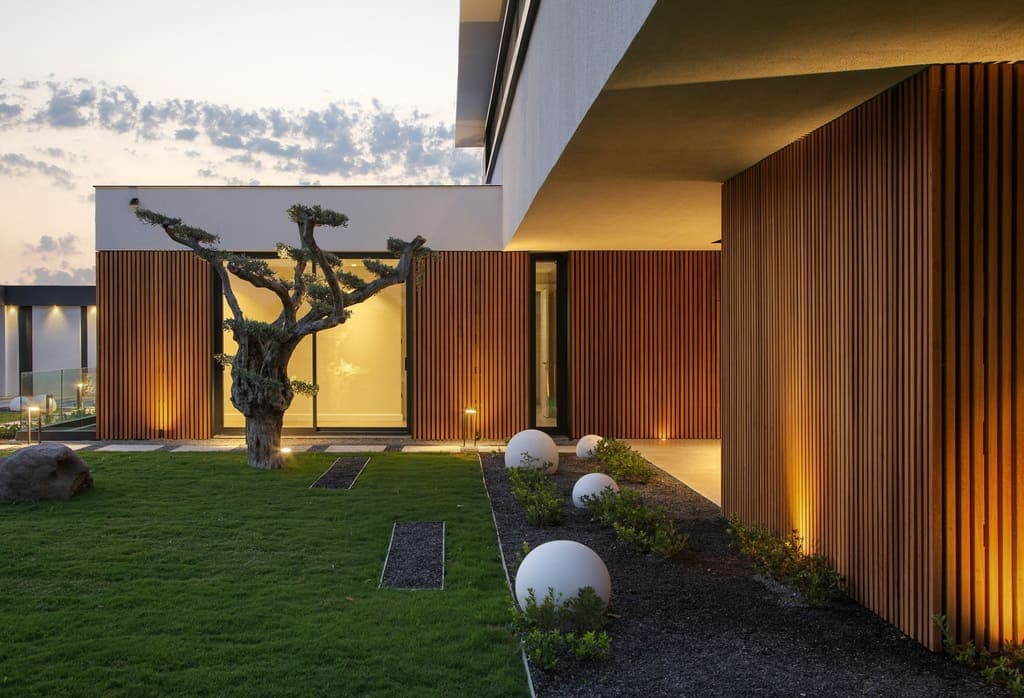
The Natural Weathering Process of Thermally Modified Wood
Thermally modified wood, like all natural wood products exposed to UV radiation and moisture, will undergo a natural weathering process. This typically manifests as a change in color, progressing towards a silver-gray patina over time. The rate and uniformity of this change depend on several factors, including exposure to direct sunlight, rain, and geographical orientation.
Areas of a facade that receive more intense sun exposure or are more frequently wetted by rain will generally weather more quickly and may develop a more pronounced gray tone. Conversely, sheltered areas, such as under deep eaves or in covered porches, may retain their original color longer, leading to variations in appearance across a single installation. This natural variation is often considered a desirable characteristic, highlighting the authenticity of the wood.
The thermal modification process itself enhances the wood's stability and resistance to decay, but it does not prevent surface weathering. The resulting graying is a surface phenomenon and does not typically compromise the structural integrity of the material.
Options for Finishing: From Natural to Stained
You have several options regarding how to finish thermally modified wood, each influencing its long-term appearance:
**Unfinished (Natural Weathering):** Many choose to leave thermally modified wood unfinished, allowing it to naturally weather to a silver-gray. This approach requires minimal maintenance focused on cleaning. It's a popular choice for those seeking a low-maintenance, organic aesthetic.
**Oil-Based Finishes:** Applying a penetrating oil finish can help to slow down the graying process and enhance the natural color of the wood. These finishes typically need reapplication at regular intervals, often annually or bi-annually, depending on exposure. They can deepen the wood's tone and provide some protection against moisture. NORX thermally modified wood products are suitable for oil finishes.
**Stains and Coatings:** For those desiring a specific color or a more uniform appearance, various stains and coatings can be applied. These range from translucent stains that allow the wood grain to show through to opaque coatings that provide full color coverage. The longevity of these finishes varies significantly by product and exposure, and they will require periodic reapplication to maintain their appearance. Maximo Accoya, for example, is a material that can be stained or painted.
Cleaning and Maintenance for Long-Term Appearance
Regardless of whether your thermally modified wood is finished or left to weather naturally, regular cleaning is important for maintaining its appearance and ensuring its longevity. Dust, pollen, dirt, and mildew can accumulate on the surface, potentially leading to uneven weathering or discoloration.
**Routine Cleaning:** A soft brush or cloth with mild soap and water is generally sufficient for routine cleaning. Avoid abrasive cleaners or high-pressure washers, which can damage the wood fibers or remove protective finishes.
**Addressing Mildew:** In humid environments, mildew can develop as dark spots on the wood surface. These can usually be cleaned with a diluted bleach solution (e.g., one part bleach to three parts water) or a commercial wood cleaner specifically designed for mildew removal. Always test any cleaning solution on an inconspicuous area first.
**Removing Stains:** For tougher stains, light sanding may be an option, but this should be approached with caution, especially on finished surfaces, as it can remove the finish and alter the wood's surface profile. If sanding, always sand in the direction of the grain.
Worked Example: Planning a Facade with Thermally Modified Wood
Consider a hypothetical residential project with a thermally modified wood facade on a 20-foot wide by 10-foot high wall (200 sq ft). The owner wants to achieve a consistent silver-gray patina over time, but is concerned about uneven weathering due to a 4-foot deep overhang on one side, shading a portion of the wall.
**Initial Decision:** The owner chooses to leave the NORX thermally modified wood unfinished to embrace the natural weathering process.
**Anticipated Outcome:** The fully exposed sections of the facade will likely begin to gray within 6-12 months, developing a distinct silver-gray patina over 1-3 years. The shaded 4-foot section under the overhang, however, may retain its original brown tones for a longer period, potentially 3-5 years or more, before showing significant graying.
**Mitigation Strategy:** To encourage more uniform graying in the shaded area, the owner plans a bi-annual cleaning schedule. This involves gently washing the entire facade with mild soap and water, paying particular attention to the shaded section to remove any accumulated dirt or biological growth that might impede the natural weathering process. While this won't accelerate graying in the shade to match the exposed areas instantly, it helps ensure a clean surface for consistent UV exposure and moisture interaction over time, gradually evening out the patina.
**Long-Term View:** The owner understands that perfect uniformity may not be achievable due to the architectural design, but accepts the gradual development of a varied, natural wood appearance as part of the material's charm. If, after several years, the contrast is too stark, a transparent, UV-stabilized oil could be applied to the more weathered sections to slightly darken them and reduce the visual difference, though this would then require ongoing reapplication.
Considerations for Coastal and Winter Climates
The specific climate of your project location can influence the weathering of thermally modified wood:
**Coastal Climates:** High humidity, salt spray, and intense UV exposure can accelerate the graying process. Regular cleaning is especially important to remove salt and mildew, which can contribute to uneven discoloration. Consider a finish with UV inhibitors if you wish to slow down the graying.
**Winter Climates:** While cold temperatures themselves don't significantly alter weathering, cycles of freezing and thawing, combined with prolonged periods of moisture (e.g., snow accumulation against a facade), can affect the wood's surface. Ensure proper drainage and ventilation to prevent moisture trapping. The reduced UV exposure during winter months may slow graying, but winter sun can still contribute to the process.
In both scenarios, proper installation that allows for ventilation and drainage behind the siding is crucial, such as with a rainscreen assembly. This helps manage moisture and contributes to more consistent weathering and overall performance of the wood. For more details, explore our selection of [siding and cladding](/siding-and-cladding) products suitable for various climates.
Before you order
- Do you prefer a natural silver-gray patina or a maintained color?
- Are you prepared for the maintenance required by finishes (e.g., reapplication)?
- How will different sun exposure levels on your project affect weathering uniformity?
- What is your cleaning plan to manage dirt, mildew, and potential unevenness?
- Have you considered the impact of local climate (e.g., coastal, winter) on weathering?
- Is a rainscreen assembly planned for optimal moisture management and consistent weathering?
- Will you create a small mock-up to observe the weathering process before full installation?
Confirm installation details, approved uses and warranty terms in the current instructions for the exact product and profile. Your installer should verify the substrate, structure and applicable project requirements.
Questions to help you decide
Can I prevent thermally modified wood from graying?
You can slow down the graying process by applying UV-stabilized oil finishes or stains. These finishes create a protective layer and often contain pigments that help block UV rays. However, they require regular reapplication to maintain their effectiveness and color. Leaving the wood completely unfinished will allow it to weather naturally to a silver-gray.
How often should I clean my thermally modified wood siding?
The frequency of cleaning depends on your local environment and desired aesthetic. For most applications, an annual or bi-annual cleaning with mild soap and water is sufficient to remove surface dirt, pollen, and prevent mildew buildup. In very humid or dusty areas, more frequent cleaning may be beneficial.
Will thermally modified wood weather evenly?
Even weathering is challenging to achieve perfectly due to variations in sun exposure, rain, and architectural features like overhangs. Areas with more direct exposure will typically gray faster. Regular cleaning can help promote more consistent weathering by ensuring a clean surface for UV and moisture interaction, but some natural variation is common and often appreciated as part of the wood's character.
Ready to Plan Your Thermally Modified Wood Project?
Request a material quote with your project dimensions, exact profile, and ZIP code. We can confirm current availability and service options to help you achieve your desired long-term aesthetic.
Request a material quote →