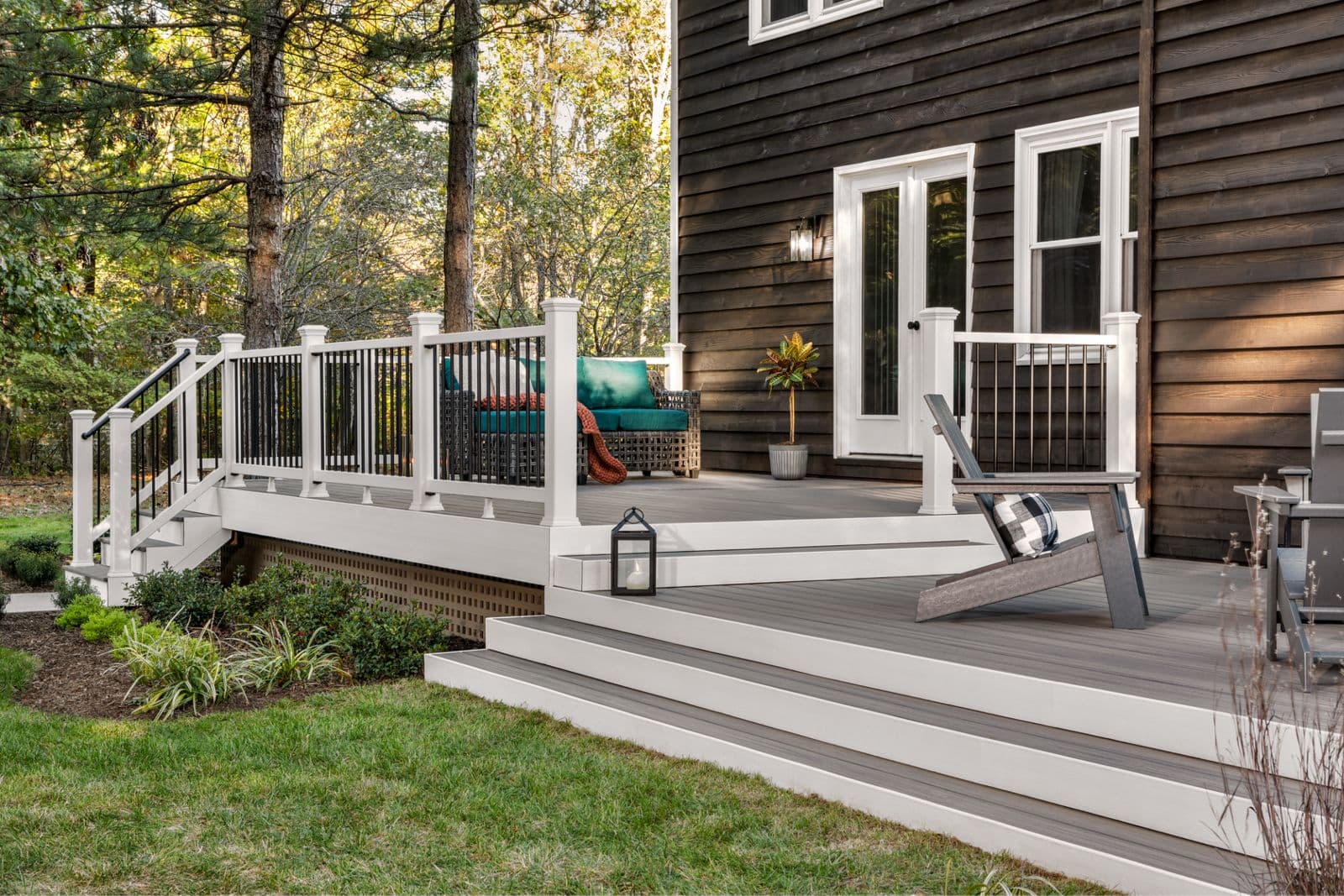
Understanding Winter's Impact on Decking
Winter conditions introduce several stressors to decking. Moisture, from snow and ice, can lead to expansion and contraction cycles, potentially causing cracking or warping in some materials. Standing water, especially when it freezes, can exert significant pressure. The repeated freeze-thaw cycles can also compromise the integrity of fasteners and the underlying structure if not properly accounted for.
Additionally, the use of deicing salts or chemicals can be corrosive to certain decking materials and their fasteners. Understanding how each material reacts to these elements is crucial for making an informed decision about your project.
Hardwood Decking: Ipe for Durability
Hardwoods like Ipe are known for their natural density and resistance to rot, decay, and insects. These properties contribute to their performance in winter conditions. Ipe, with its high density, is less prone to absorbing moisture compared to softer woods, which can mitigate issues related to freeze-thaw cycles. It is naturally resistant to salt air, making it a consideration for coastal areas that may experience winter storms.
While Ipe can withstand harsh conditions, proper drainage is still essential. Ensuring that snowmelt and ice can drain off the deck surface prevents prolonged moisture exposure. Ipe will naturally weather to a silver-gray patina over time, but regular oiling can help maintain its original color.
Find out more about Ipe decking: https://lumberplus.com/decking/hardwood/ipe
Modified Wood Decking: Thermo Ash and Accoya
Thermally modified Ash (Thermo Ash) undergoes a heat and steam treatment process that alters the wood's cellular structure, enhancing its stability and resistance to moisture. This modification makes it less susceptible to swelling and shrinking from humidity changes, which is beneficial in winter environments. Thermo Ash offers a natural wood aesthetic with improved performance against decay.
Maximo Accoya, another modified wood product, is acetylated rather than heat-treated. This process also enhances the wood's durability and dimensional stability, making it highly resistant to rot and less prone to water absorption. Accoya's stability can reduce the likelihood of warping or cracking due to freeze-thaw cycles. Both Thermo Ash and Accoya require careful consideration of their specific installation systems and profiles to ensure optimal performance, particularly concerning drainage and ventilation beneath the deck surface.
Explore thermally modified Ash: https://lumberplus.com/products/thermally-modified-wood
Learn about Maximo Accoya: https://lumberplus.com/products/accoya
Synthetic Decking: Composite and PVC
Composite decking combines wood fibers with plastic, while PVC decking is 100% synthetic. Both materials are engineered for low maintenance and resistance to rot and insects, making them attractive options for winter-exposed projects. PVC decking, being waterproof to the core, is particularly suitable for applications where prolonged moisture exposure is a concern, such as docks or pool surrounds that may see significant snow accumulation and melt.
These synthetic options generally offer good dimensional stability, meaning they are less likely to expand, contract, warp, or crack due to temperature fluctuations and moisture absorption. They are often designed with surfaces that provide some slip resistance, which can be an advantage on icy winter days. However, it's important to verify the manufacturer's recommendations regarding the use of deicers, as some chemicals can potentially affect the surface finish.
Discover composite decking options: https://lumberplus.com/decking/composite
Review PVC decking for your project: https://lumberplus.com/decking/pvc
Design and Installation for Winter Performance
Beyond material selection, the design and installation of your deck play a critical role in its winter performance. Adequate ventilation beneath the deck is essential to prevent moisture buildup, which can lead to rot or mold, even in winter. Proper board spacing, as specified by the manufacturer, ensures that water can drain freely and allows for natural expansion and contraction.
Ensure the deck has a slight slope away from the house to encourage water runoff. Consider the type of fasteners used; some materials may require specific fasteners that can withstand the stresses of freeze-thaw cycles. For areas prone to heavy snow, ensure the underlying structure is designed to support the additional weight load.
For a deck measuring 10 feet by 12 feet, located in a region with heavy snowfall, consider these planning details. The deck surface should have a minimum slope of 1/4 inch per foot away from the house to facilitate drainage. The substructure should be designed to meet local building codes for snow load, which typically involves closer joist spacing or larger joist dimensions than for areas with minimal snow.
Maintenance and Care in Winter
Even with the most durable decking, proper winter maintenance is key to longevity. Regularly clear snow from your deck to reduce the load on the structure and prevent prolonged moisture contact. Use a plastic shovel or a broom to avoid scratching the deck surface, especially with composite or PVC materials.
If deicers are necessary, choose products that are safe for your specific decking material. Many manufacturers provide guidelines on acceptable deicing agents. Avoid rock salt (sodium chloride) as it can be corrosive to fasteners and potentially damaging to some decking surfaces. Sand can be used for traction but should be swept off once ice melts to prevent abrasion.
After winter, a thorough cleaning can help remove any salt residue or accumulated debris, preparing your deck for the warmer months.
Before you order
- Will the deck experience heavy snow accumulation?
- Are deicing agents likely to be used on the deck surface?
- What is the average winter temperature range, including freeze-thaw cycles?
- Is adequate drainage and ventilation possible in the proposed design?
- What are the manufacturer's recommendations for winter maintenance and deicer use for each material?
- How does the chosen material's surface perform in terms of slip resistance when wet or icy?
- What are the local building codes for snow load capacity for deck structures?
Confirm installation details, approved uses and warranty terms in the current instructions for the exact product and profile. Your installer should verify the substrate, structure and applicable project requirements.
Questions to help you decide
Can I use rock salt on my decking in winter?
Using rock salt (sodium chloride) is generally not recommended for most decking materials. It can be corrosive to metal fasteners and potentially damage the surface of certain wood, composite, or PVC decks. Always check the manufacturer's guidelines for your specific decking material regarding approved deicing products. Safer alternatives often include calcium chloride or magnesium chloride-based deicers, or simply using sand for traction.
How do I prevent ice buildup on my deck?
Preventing ice buildup starts with good design, including proper deck slope for drainage and adequate spacing between boards. Regularly clearing snow before it can melt and refreeze is crucial. For persistent ice, consider using an approved deicer specific to your decking material. Avoid chipping ice with sharp tools, as this can damage the deck surface.
Will winter conditions affect the color of my decking?
Yes, winter conditions can affect decking color. Natural hardwoods like Ipe will continue their natural weathering process, potentially developing a silver-gray patina, especially if not regularly oiled. Thermally modified woods and synthetic materials like composite and PVC are generally more stable in color, but prolonged exposure to moisture and UV (even in winter) can contribute to subtle changes over time. Always refer to the manufacturer's care instructions for specific guidance on maintaining color.
Ready to Plan Your Winter-Resistant Deck?
Request a material quote with your project dimensions, exact profile, and ZIP code. We can confirm current availability and service options for your decking needs. Our team can help you select the right materials for a durable, winter-ready deck.
Request a material quote →