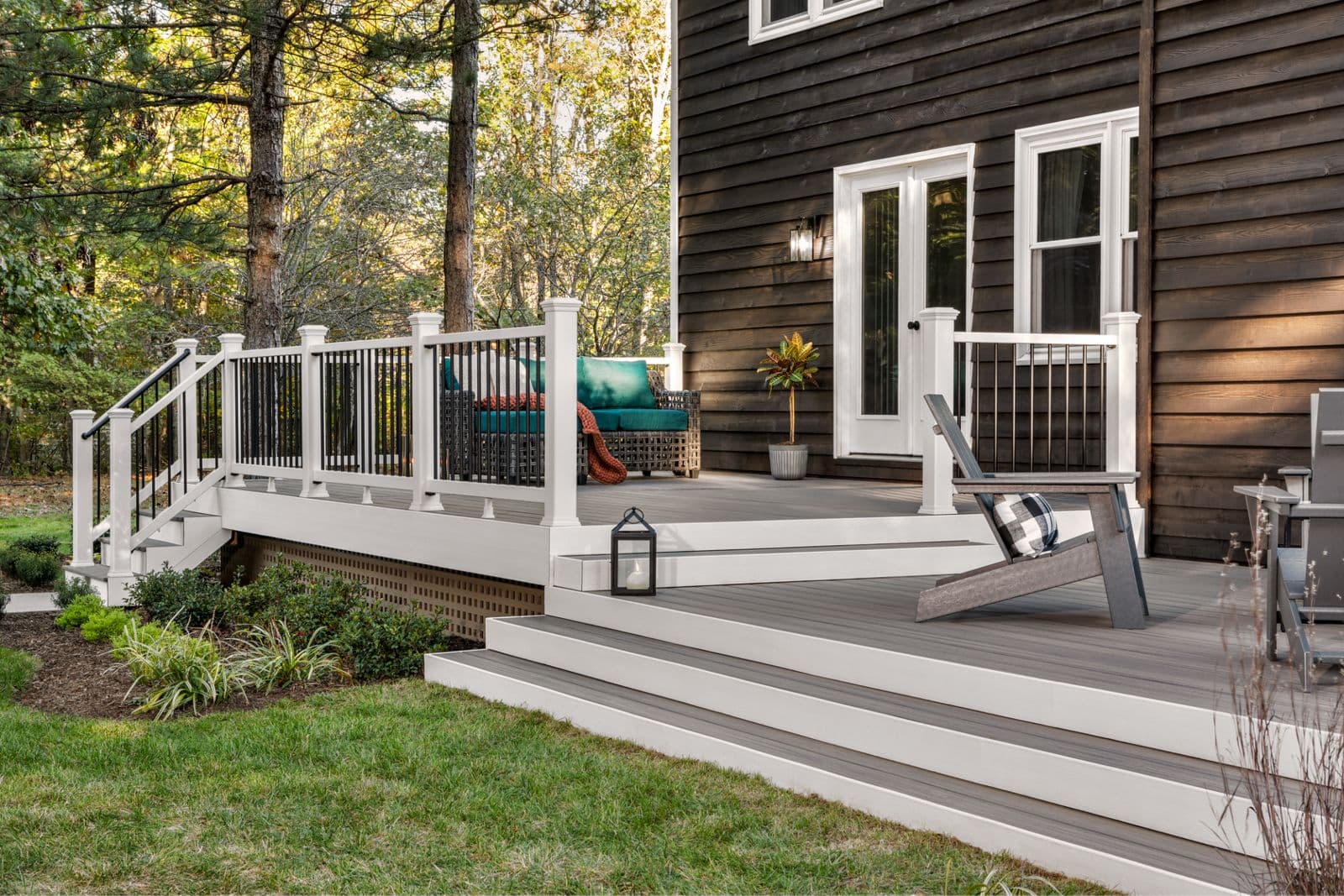
The Impact of Natural Light and Environment
The appearance of decking color can vary significantly depending on natural light conditions. A shade that looks perfect in a showroom under artificial light might appear entirely different on your deck under direct sunlight, in shade, or on an overcast day. Consider the orientation of your deck: a south-facing deck will experience intense, bright light for much of the day, potentially making lighter colors appear washed out or darker colors seem deeper. A north-facing or heavily shaded deck might benefit from lighter colors to brighten the space.
The surrounding environment also plays a role. Green foliage from nearby trees can cast a cool hue, while a red brick house might reflect warm tones onto the deck surface. It is helpful to observe how colors appear in your specific project location at different times of day before making a final decision. Small samples can be placed in various spots on your intended deck area to gauge their appearance under real-world conditions.
Decking Material and Its Inherent Color Palette
Different decking materials offer distinct natural color palettes and finishing characteristics. Understanding these inherent qualities is crucial for an informed choice.
Hardwood decking, such as Ipe, is known for its deep, rich brown tones. Ipe naturally resists rot and termites and can be maintained to retain its color with oiling or allowed to age gracefully to a silver patina. This natural aging process is a characteristic many homeowners appreciate. (S1)
Thermally modified Ash presents a warm, medium-brown tone with a visible wood grain. Modified with heat and steam without added preservatives, it offers a consistent color profile. (S1)
Maximo Accoya, an acetylated wood, offers durability and stability. It can be finished in a wide range of colors or left to weather naturally to a soft gray. Its enhanced properties allow for versatility in finishing. (S1)
Composite decking and PVC decking are manufactured to offer a broad spectrum of colors, from variegated wood-look shades to solid grays, browns, and even lighter tones. These materials are designed for near-zero maintenance in terms of color retention, as they typically do not require oiling or sanding to maintain their manufactured appearance. PVC decking, being 100% synthetic, is waterproof to the core and an option for docks and pool decks, where consistent color in wet environments is desired. (S1)
Understanding Finishes: Natural vs. Enhanced
The finish you choose for your decking material can significantly alter its appearance and maintenance requirements. Some materials are selected for their ability to be left natural, while others benefit from or require specific treatments.
Natural finishes, often achieved by simply allowing wood to weather, result in a distinctive silver-gray patina over time. This is a common choice for hardwoods like Ipe, which will naturally develop this look if left untreated. This approach minimizes ongoing finishing tasks but means embracing the natural aging process of the wood.
Enhanced finishes involve applying stains, sealers, or oils to the decking. These products can deepen the natural color of wood, add a new hue, or provide a protective layer. For example, applying a UV-resistant oil to Ipe can help maintain its original rich brown color longer. For Maximo Accoya, a range of finishes can be applied to achieve specific aesthetic goals, from transparent to opaque colors.
Composite and PVC decking materials typically come with a factory-applied finish that is integral to the board. These finishes are designed for color stability and minimal upkeep, often mimicking the look of natural wood without the need for periodic re-staining or sealing. Their colors are largely determined at the point of manufacture.
Coordinating with Home Exterior and Landscape
Your deck should visually connect with your home's exterior and the surrounding landscape. Consider the dominant colors of your house siding, trim, roof, and any existing hardscaping like patios or walkways. A cohesive design often involves choosing decking colors that either complement or subtly contrast with these elements.
For a harmonious look, select a decking color that is a few shades lighter or darker than your home's primary color, or choose a complementary tone from a different color family. For example, a home with cool gray siding might pair well with a warm brown deck to add visual interest, or a darker gray deck for a monochromatic, modern feel. The goal is to create a unified outdoor living area, not an isolated structure.
Think about the colors of your garden and landscaping elements. Earthy tones in decking often blend seamlessly with natural surroundings, while bolder colors can create a striking focal point. Consider how the decking color will look alongside green foliage, flowering plants, and any outdoor furniture or decor you plan to incorporate.
Worked Example: Selecting Decking for a Contemporary Home
Consider a contemporary home with light gray stucco siding, dark charcoal window frames, and a minimalist garden featuring native grasses and a concrete patio. The homeowner desires a deck that feels modern, low-maintenance, and visually connects with the existing aesthetic.
Option 1: A dark gray PVC decking board. This choice would extend the modern, monochromatic theme established by the charcoal window frames and concrete patio. The PVC material offers consistent color and minimal maintenance, aligning with the minimalist design. It would provide a sleek, uniform surface that contrasts subtly with the light gray stucco.
Option 2: Thermally modified Ash with a clear, UV-protective finish. The warm, medium-brown tones of the Ash would introduce a natural wood element, softening the contemporary aesthetic without clashing. The clear finish would allow the natural wood grain to show through, adding texture and warmth. This option requires periodic reapplication of the finish to maintain its color.
Option 3: Maximo Accoya decking, stained in a custom light gray to match the stucco. This would create a seamless transition from the house to the deck, making the outdoor space feel like an extension of the interior. Accoya's stability and ability to hold a finish well would be advantageous here. This option offers a tailored look but requires careful color matching and ongoing finish maintenance.
In this hypothetical scenario, the homeowner might weigh the desire for a truly maintenance-free color against the warmth of natural wood or a custom-matched finish. Visiting Lumber Plus to view samples of these materials in person and placing them against the home's exterior at different times of day would be the next critical step.
Before you order
- Assess natural light conditions on your deck at different times of day.
- Consider the inherent color and aging characteristics of your chosen decking material (hardwood, thermally modified, Accoya, composite, PVC).
- Decide between a natural weathered look or an enhanced finish (stain, oil, sealer).
- Coordinate the decking color with your home's siding, trim, and roof colors.
- Harmonize the decking with existing hardscaping and landscaping elements.
- Obtain physical samples of your preferred decking options and observe them on-site.
- Factor in the long-term maintenance implications of your color and finish choice.
Confirm installation details, approved uses and warranty terms in the current instructions for the exact product and profile. Your installer should verify the substrate, structure and applicable project requirements.
Questions to help you decide
Does decking color affect its surface temperature?
Yes, darker colors generally absorb more sunlight and can become hotter to the touch than lighter colors. If your deck will be exposed to direct, intense sun and you plan to walk barefoot frequently, a lighter color might be a more comfortable choice. However, material composition also plays a role, as some composite or PVC formulations are designed to mitigate heat absorption.
How do I ensure the color I choose matches my expectations?
The most effective way is to obtain actual product samples of your chosen decking material and place them directly on your project site. Observe them under various lighting conditions throughout the day. Photos can be helpful, but physical samples provide the most accurate representation of color and texture in your specific environment.
Can I change the color of my decking later?
For natural wood decking, you can often change the color by sanding and applying a different stain or finish. However, for composite and PVC decking, the color is integral to the material and cannot be changed through staining or painting without potentially voiding warranties or compromising the material's intended performance. Always consult the manufacturer's guidelines for any finishing or refinishing recommendations.
Ready to Select Your Decking Color and Finish?
Request a material quote with your project dimensions, exact profile, and ZIP code. We can help you confirm current availability and service options for all our decking materials. Explore our full range of decking options, including hardwood, thermally modified wood, composite, and PVC decking, to find the perfect match for your vision.
Request a material quote →