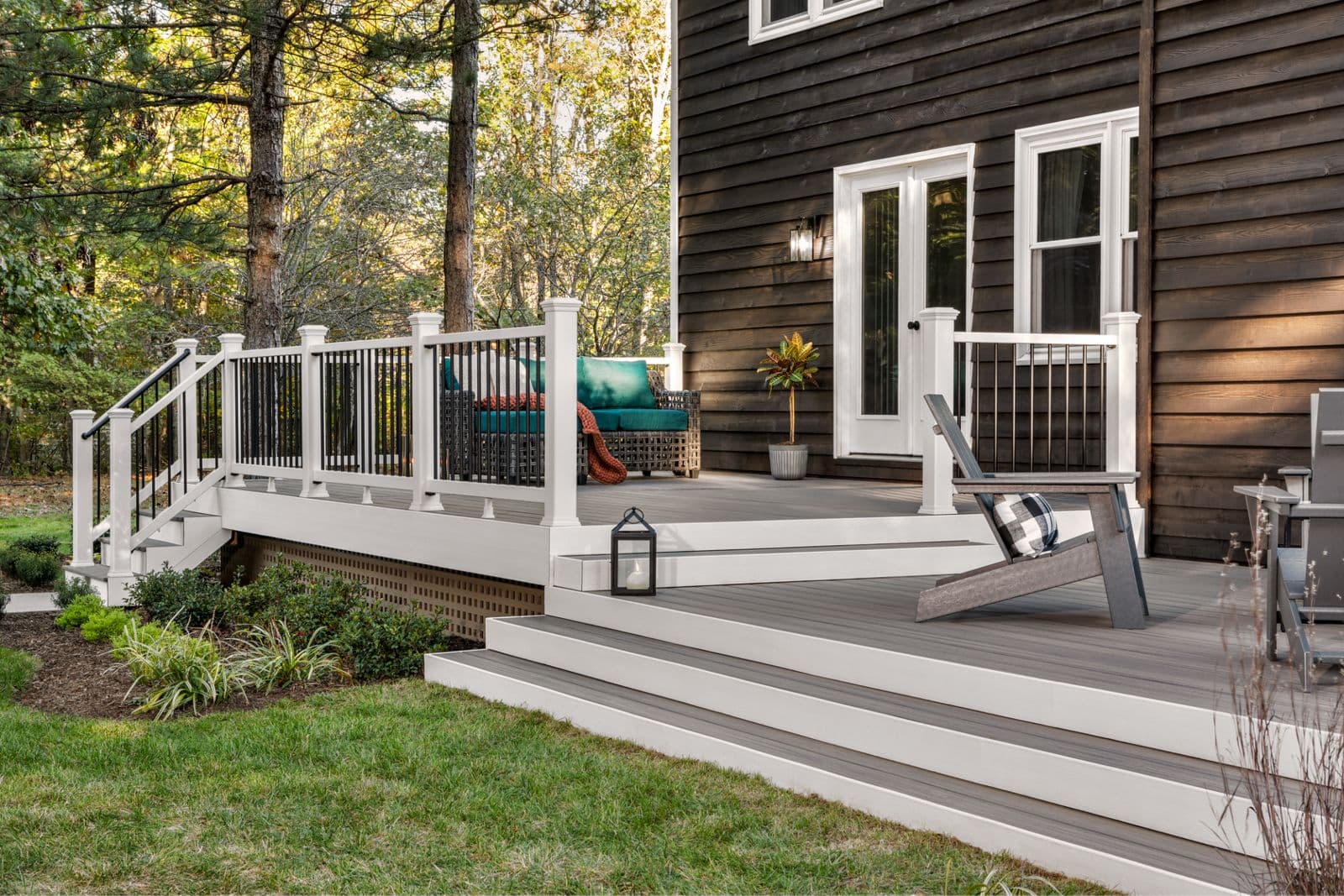
Inspect the Existing Deck Subframe
The subframe, including posts, beams, and joists, is the foundational support for your deck. Before any new decking material is considered, a detailed inspection of these components is essential. Look for signs of rot, insect damage, cracks, or excessive deflection. Use a screwdriver or awl to probe wood members, checking for soft spots, especially where wood meets the ground, concrete, or other structural elements.
Verify that all fasteners are secure and free from corrosion. Check the ledger board connection to your house for tightness and proper flashing. Any compromised subframe elements must be repaired or replaced before new decking is installed. This step is critical for safety and the longevity of your renovated deck. An unstable subframe will compromise even the most durable new decking.
Evaluate Subframe Material and Condition for New Decking
The type and condition of your existing subframe material will influence your decking choices. Most residential deck subframes are constructed from pressure-treated lumber. If your subframe is in good condition, you may be able to reuse it. However, different decking materials have specific requirements for joist spacing and support.
For example, traditional hardwood decking like Ipe (S1) or thermally modified Ash (S1) may require specific joist spacing to prevent deflection and ensure proper ventilation. Composite (S1) and PVC (S1) decking manufacturers also provide guidelines for joist spacing, often recommending closer spacing than traditional wood for optimal performance. Confirm that your existing joist spacing aligns with the installation requirements of your chosen new decking material. If not, additional blocking or sistering of joists may be necessary.
Understanding Decking Material Compatibility and Trade-offs
When renovating, consider the characteristics of various decking materials and how they fit your project goals. Hardwood decking, such as Ipe, is known for its hardness and natural resistance to rot and termites (S1). It can age to a silver patina or be oiled to maintain its color.
Thermally modified Ash (S1) offers stability and supports selected decking applications. Maximo Accoya (S1), an acetylated wood, provides durability and stability for long-lasting decks with minimal upkeep. These natural wood options offer a distinct aesthetic but may require specific maintenance.
Composite (S1) and PVC (S1) decking offer alternative benefits. Composite decking often provides near-zero maintenance, eliminating the need for oiling or sanding (S1). PVC decking is 100% synthetic and waterproof to the core, making it a suitable choice for docks and pool decks (S1). These materials may be less susceptible to moisture and insect issues but can have different thermal expansion properties that require specific installation techniques.
The choice of material should align with your climate, desired aesthetic, and willingness to perform ongoing maintenance. For instance, a coastal home might benefit from PVC's waterproof properties, while a deck in a dry climate might suit hardwood's natural resistance.
Assessing Drainage and Ventilation
Proper drainage and ventilation are crucial for the longevity of any deck, especially during a renovation. If your existing deck has areas where water pools or where air circulation is restricted, these issues must be addressed. Stagnant water and poor ventilation can lead to moisture accumulation, accelerating rot in wood subframes and potentially affecting the performance of new decking materials.
Check that the ground beneath the deck slopes away from the house and that there are no obstructions preventing airflow. Consider adding lattice or skirting that allows for adequate ventilation while still enclosing the space beneath. For decks close to the ground, ensure sufficient clearance for airflow. Addressing these environmental factors is as important as the material selection itself.
Worked Example: Renovating a 10' x 12' Deck
Imagine you have an existing 10-foot by 12-foot deck with a pressure-treated lumber subframe. You want to replace the old decking boards with new thermally modified Ash decking, which typically comes in 5-inch wide boards.
The remaining subframe is sound.
This ensures proper support for the new decking. (c) Installing new thermally modified Ash decking. For a 10-foot width (120 inches) and 5-inch wide boards, you would need approximately 24 boards for the width, plus a few for cuts and waste. For the 12-foot length, boards may be available in 12-foot lengths to minimize seams.
This example highlights the importance of assessing the subframe and its compatibility with your chosen material, as it directly impacts the scope of work and material quantities needed.
Before you order
- Inspect all subframe components (posts, beams, joists) for rot, damage, and stability.
- Verify the ledger board connection to the house and flashing condition.
- Measure existing joist spacing and compare it to the requirements of your desired new decking material.
- Assess the overall condition of the subframe: Is it structurally sound or does it require significant repairs/replacement?
- Consider the drainage and ventilation beneath the deck: Are there areas of standing water or restricted airflow?
- Determine if the existing subframe material is compatible with your new decking choice (e.g., fastener compatibility, chemical interactions).
- Evaluate your budget and timeline for potential subframe modifications or replacements.
- Review local building codes for any new requirements that might apply to your renovation.
Confirm installation details, approved uses and warranty terms in the current instructions for the exact product and profile. Your installer should verify the substrate, structure and applicable project requirements.
Questions to help you decide
Can I simply replace my old decking boards with new ones without checking the subframe?
It is strongly recommended to inspect the subframe thoroughly before replacing decking boards. The subframe provides the structural integrity for your entire deck. If it has rot, insect damage, or other issues, installing new decking on top will not address these underlying problems and could lead to safety hazards or premature failure of your new deck. A professional inspection is always advisable.
What if my existing joist spacing doesn't match the new decking material's requirements?
If your existing joist spacing is too wide for the new decking material, you will likely need to modify your subframe. This could involve adding additional joists between the existing ones (infilling) or sistering new lumber to the sides of existing joists to create closer spacing and increased support. Consult the manufacturer's installation guide for your chosen decking for specific recommendations.
How do I choose between hardwood, composite, or PVC decking for a renovation?
The best choice depends on your priorities. Hardwood decking like Ipe or thermally modified Ash offers natural beauty and durability but may require more maintenance to preserve its original color. Composite and PVC decking are often lower maintenance, resisting rot and insects, and are suitable for specific applications like pool surrounds or docks. Consider your climate, desired aesthetic, maintenance commitment, and budget when making your decision. Review product specifications for each material's unique properties and installation requirements.
Ready to Plan Your Decking Renovation?
Request a material quote with your project dimensions, exact profile, and ZIP code to confirm current availability and service options for your decking project.
Request a material quote →