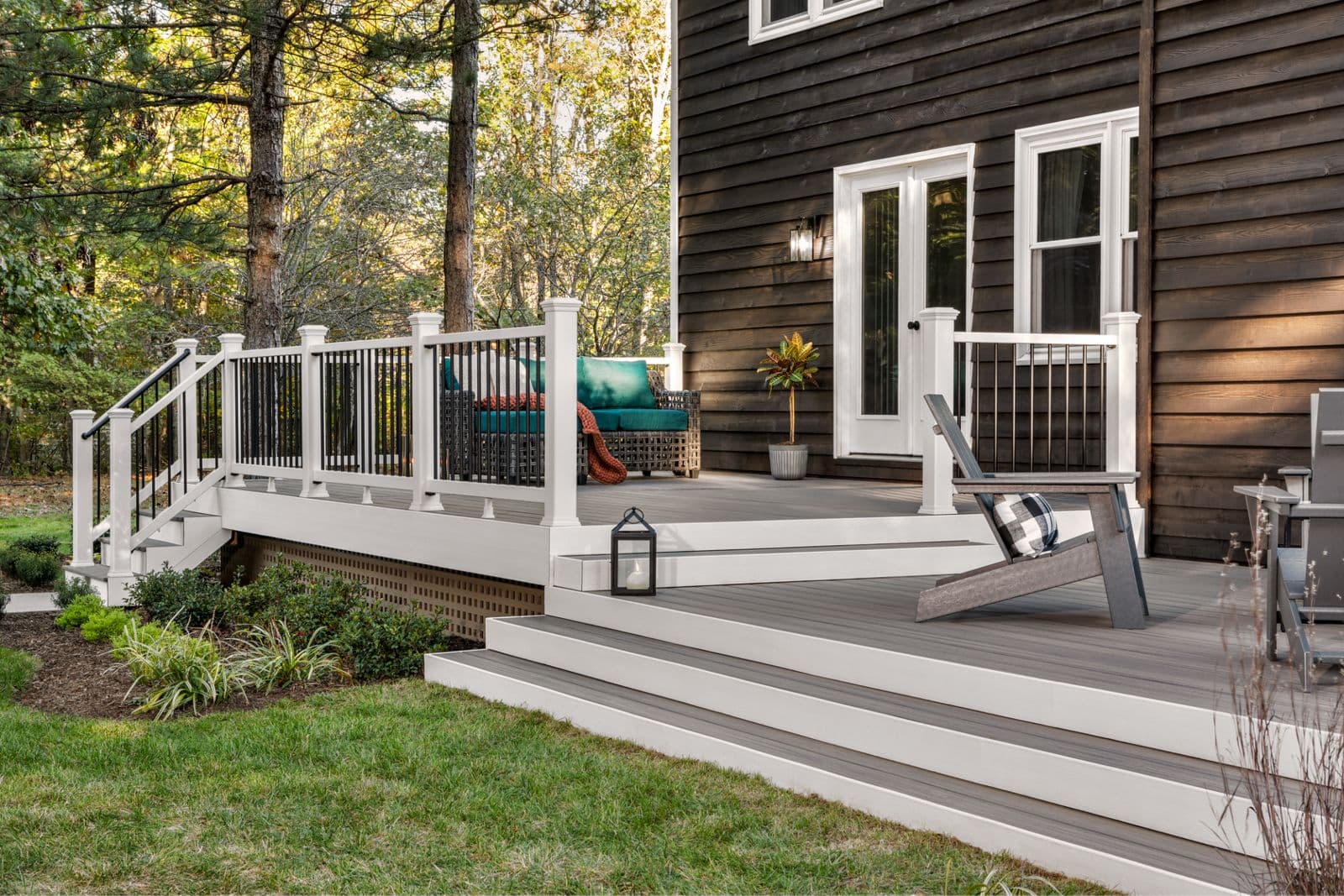
Hardwood Decking: The Classic Choice with Specific Care
Hardwood decking, such as Ipe, offers natural beauty and inherent durability. Its rich, deep tones and distinctive grain patterns can create a luxurious outdoor living space. However, to preserve its original color and appearance, hardwood typically requires a consistent maintenance schedule.
The primary maintenance task for many hardwoods is re-oiling or sealing. Without this, hardwood, including Ipe, will naturally weather to a silver-gray patina over time. While this aged look is appealing to some, others prefer to maintain the wood's original hue. Regular cleaning with a suitable deck cleaner is also important to remove dirt, mildew, and algae buildup.
Consider the frequency: re-oiling might be an annual or bi-annual task, depending on your climate and sun exposure. Cleaning may be needed more frequently. This level of care is a commitment, but it rewards you with a deck that retains its vibrant character for years.
Ipe, known for its exceptional hardness and natural resistance to rot and termites, still benefits from this care regimen to maintain its color. If you appreciate working with wood and enjoy the process of preserving its natural beauty, hardwood decking can be an excellent choice.
Explore hardwood decking options: /decking/hardwood
Thermally Modified Ash: Enhanced Stability, Reduced Upkeep
Thermally modified Ash is real wood that has undergone a heat-and-steam treatment process, which alters its cellular structure. This modification enhances the wood's stability and resistance to decay, making it suitable for selected decking applications.
Compared to traditional hardwoods, thermally modified Ash generally requires less intensive maintenance. The modification process reduces the wood's tendency to absorb moisture, which can minimize issues like warping and cracking. While it can still be oiled to maintain its color, it will also age gracefully to a silver-gray if left untreated, similar to other natural woods.
Maintenance typically involves regular cleaning to remove surface dirt and debris. The need for re-oiling is often less frequent than with untreated hardwoods, offering a good balance between the aesthetic appeal of real wood and a more manageable maintenance schedule. Always confirm the specific maintenance guidelines for your chosen thermally modified Ash product and installation system.
Discover more about thermally modified wood: /decking
Maximo Accoya: Acetylated Wood for Minimal Upkeep
Maximo Accoya is an acetylated wood product, meaning it undergoes a chemical modification process rather than heat treatment. This acetylation process enhances the wood's durability and stability, making it highly resistant to rot and insect attack, and significantly reducing swelling and shrinking. This makes it a strong candidate for long-lasting decks and even specialized applications like pool surrounds.
The primary benefit of Maximo Accoya from a maintenance perspective is its minimal upkeep requirement. It is designed for longevity and stability, meaning less concern about common wood issues. Like other woods, it can be finished or painted to achieve a desired look, or it can be left to naturally weather to a soft gray.
Routine maintenance for Maximo Accoya typically involves periodic cleaning to keep the surface free of dirt and grime. The need for protective coatings or frequent re-oiling is often greatly reduced, making it an attractive option for those who desire the look and feel of real wood with significantly fewer maintenance tasks. Always consult product-specific instructions for exact care.
Learn about Maximo Accoya: /decking
Composite Decking: The Appeal of Near-Zero Maintenance
Composite decking combines wood fibers with recycled plastics, engineered to offer a low-maintenance alternative to traditional wood. A key selling point for composite decking is its promise of near-zero maintenance.
This material does not require sanding, staining, or sealing. It is formulated to resist fading, staining, and mold, though specific performance can vary by brand and product line. The core maintenance tasks for composite decking revolve around simple cleaning.
Typically, a seasonal wash with soap and water, or a manufacturer-recommended deck cleaner, is sufficient to keep composite decks looking good. This helps remove pollen, dirt, and any mild surface mildew. For those who prioritize minimal hands-on effort and desire a consistent appearance without the commitment of wood treatment, composite decking is a compelling choice.
Explore composite decking options: /decking/composite
PVC Decking: The Ultimate in Waterproof Durability
PVC (polyvinyl chloride) decking is a 100% synthetic material, making it inherently waterproof and highly resistant to moisture-related issues. It is often considered the best choice for environments where water exposure is constant, such as docks and pool decks.
The maintenance requirements for PVC decking are among the lowest of all decking materials. Being entirely synthetic, it does not rot, warp, splinter, or require sealing. It also resists insect damage and is generally very easy to clean.
Routine care for PVC decking usually involves a simple rinse with a hose or a wash with mild soap and water to remove surface dirt. Its waterproof core means you don't have to worry about moisture penetration. For homeowners seeking the absolute lowest maintenance and highest resistance to the elements, particularly in wet areas, PVC decking is an ideal solution.
Discover PVC decking options: /decking/pvc
Worked Example: Calculating Maintenance Time for a 300 sq ft Deck
Let's consider a hypothetical 300-square-foot deck (e.g., 15 feet by 20 feet) and estimate the annual maintenance time for different materials.
For a Hardwood Deck (e.g., Ipe): If you choose to maintain its original color, expect to clean, sand lightly (if needed for re-oiling), and re-oil annually. Cleaning a 300 sq ft deck might take 2-4 hours. Sanding could add another 4-6 hours. Total annual active maintenance: 12-18 hours.
For a Thermally Modified Ash Deck: Assuming annual cleaning and bi-annual re-oiling to maintain color. Cleaning: 2-4 hours. Re-oiling (every other year): 6-8 hours. Averaged annually: 3-4 hours. Total annual active maintenance: 5-8 hours.
For a Composite or PVC Deck: These materials primarily require seasonal cleaning. A thorough wash with a deck cleaner and scrubbing for a 300 sq ft area might take 2-4 hours, once or twice a year. Total annual active maintenance: 2-8 hours.
These are estimates, and actual times will vary based on deck condition, product specifications, and your working speed. This example illustrates the significant difference in time commitment between material types.
Before you order
- What is my tolerance for annual or bi-annual maintenance tasks (cleaning, sanding, oiling)?
- Do I prefer the natural weathering of wood or a consistent, 'as-new' appearance?
- Is my deck exposed to harsh elements (e.g., intense sun, heavy rain, salt air) that might accelerate wear?
- What is my budget for maintenance products (cleaners, sealers, oils) and tools?
- Are there specific manufacturer guidelines for cleaning and protecting the chosen material that I am willing to follow?
- How important is water resistance and rot resistance for my specific deck application (e.g., pool surround, covered porch)?
- Do I have the time or resources to hire someone for professional deck maintenance if needed?
Confirm installation details, approved uses and warranty terms in the current instructions for the exact product and profile. Your installer should verify the substrate, structure and applicable project requirements.
Questions to help you decide
Does 'low maintenance' mean 'no maintenance' for decking?
No, 'low maintenance' does not mean 'no maintenance.' Even the most durable composite or PVC decking will benefit from periodic cleaning to remove dirt, pollen, and debris. While they eliminate tasks like sanding and sealing, a seasonal wash is typically recommended to keep them looking their best.
How do I choose between maintaining a deck's original color or letting it patina?
This is a personal aesthetic choice. Many hardwoods and modified woods will naturally weather to a silver-gray patina if left untreated. If you prefer to retain the original rich color, regular re-oiling or sealing is necessary. If you appreciate the weathered look and want to minimize active color-preserving tasks, letting it patina is a viable option that reduces maintenance. Test a small, inconspicuous area if you are unsure.
Are there specific cleaning products I should avoid for certain decking materials?
Yes, always consult the manufacturer's recommendations for cleaning products. Harsh chemicals, abrasive cleaners, or pressure washers used improperly can damage the surface of certain decking materials, especially composites and PVC, potentially voiding warranties. Stick to mild soap and water or products specifically formulated for your decking type.
Ready to Plan Your Decking Project?
Request a material quote today. Provide your project dimensions, desired decking profile, and ZIP code to confirm current availability and service options for your area. Our team can help you select the right material based on your maintenance preferences.
Request a material quote →