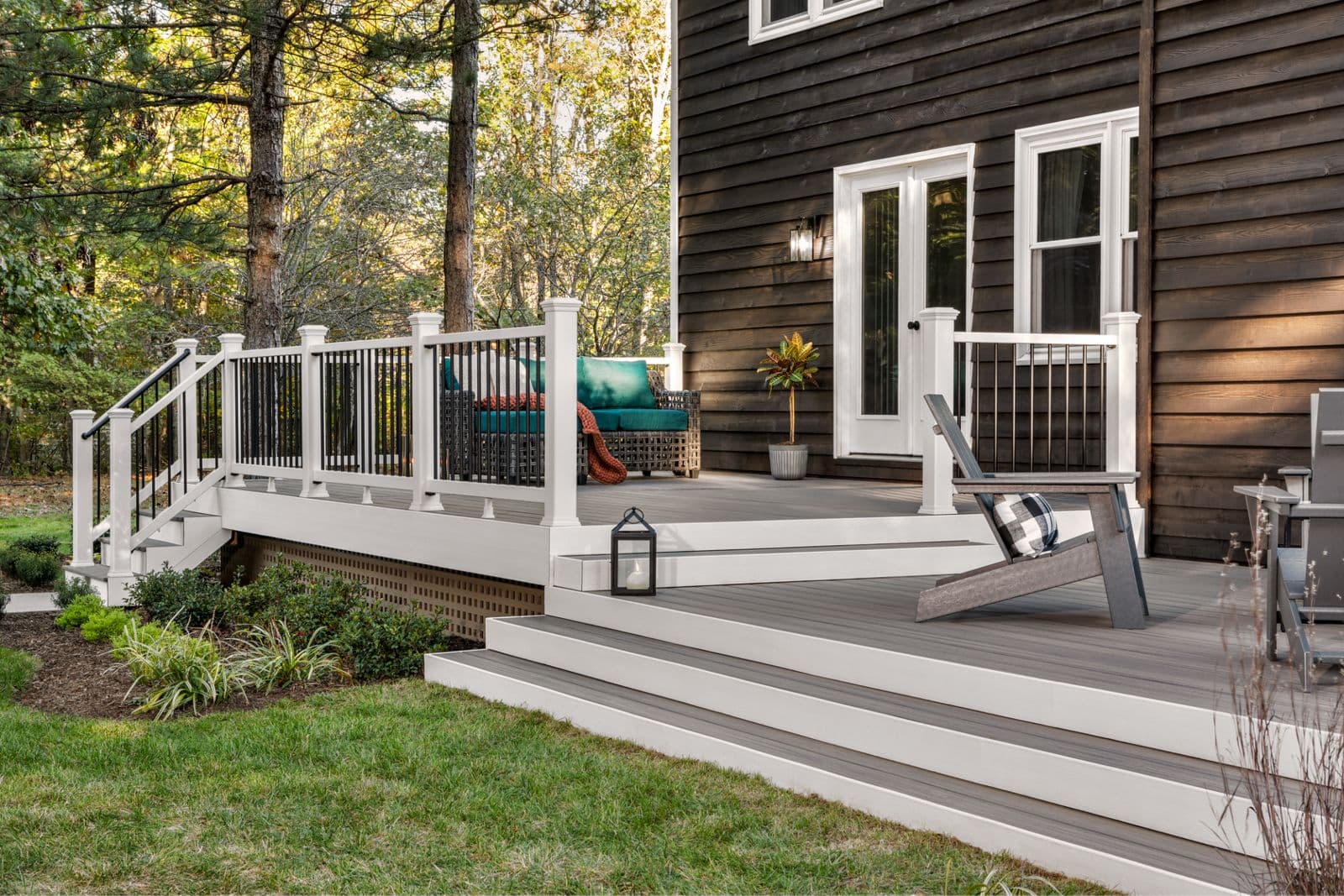
Understanding the Unique Needs of Vacation Home Decking
Vacation homes often experience periods of vacancy, which means the decking must endure exposure to the elements without consistent attention. This includes sun, rain, snow, and fluctuating temperatures. Materials that are prone to warping, cracking, or rapid fading without regular sealing or cleaning may not be the most practical choice. The goal is to select a material that can withstand these conditions, requiring minimal intervention between your visits.
Another key factor is security and peace of mind. A deck that requires constant vigilance against rot or pests can add unnecessary stress. Prioritizing materials known for their natural resistance or enhanced durability can help mitigate these concerns. Furthermore, consider the local climate and potential wildlife, as these can influence the rate of wear and the type of maintenance required.
Hardwood Decking: Ipe for Enduring Beauty
For vacation homes where natural beauty and exceptional durability are paramount, Ipe hardwood decking is a strong contender. Ipe is renowned for its hardness and natural resistance to rot, termites, and salt air, making it suitable for various climates, including coastal environments. This inherent resilience means it can withstand periods of neglect without significant deterioration.
Ipe naturally ages to a silver-gray patina if left untreated, a look many find appealing for a rustic vacation home. If you prefer to maintain its rich brown color, periodic oiling is required. The frequency of oiling depends on sun exposure and personal preference. While Ipe has a higher initial cost, its long service life and robust nature can offset this over time, reducing the need for frequent repairs or replacement.
Explore Ipe decking options: [https://lumberplus.com/decking/hardwood/ipe]
Thermally Modified Ash: Stability with a Natural Look
Thermally modified Ash offers another compelling option for vacation homes, combining the aesthetic appeal of real wood with enhanced stability and durability. This wood undergoes a heat and steam modification process, which alters its cellular structure without the addition of chemicals. The result is a decking material that is more stable and less prone to expansion, contraction, and decay.
Thermo Ash provides a beautiful, natural wood grain that can complement many architectural styles. While it still benefits from occasional cleaning, its improved resistance to moisture and insects makes it a lower-maintenance alternative to some traditional hardwoods. Confirm the specific decking profile and installation system to ensure suitability for your project.
Maximo Accoya: Enhanced Wood for Durability and Low Upkeep
Maximo Accoya is an acetylated wood product, enhanced through a non-toxic process that improves its durability and stability. Unlike thermally modified wood, Accoya's modification process involves acetylation, which makes the wood less prone to swelling, shrinking, and rot. This enhancement makes it highly suitable for demanding outdoor applications, including decking for vacation homes.
Accoya offers the appeal of real wood with significantly reduced upkeep requirements compared to untreated timber. Its enhanced stability means it can better withstand the elements during long periods between visits. It is known for its durability and is a choice for projects requiring long-lasting performance with minimal intervention.
Composite and PVC Decking: The Low-Maintenance Champions
For homeowners prioritizing minimal maintenance above all else, composite and PVC decking are excellent choices. These synthetic materials are engineered to resist fading, staining, scratching, and mold, and do not require sanding, staining, or sealing. This makes them ideal for vacation homes where you want to maximize relaxation time and minimize chores.
Composite decking, often made from a blend of wood fibers and recycled plastic, offers a wood-like appearance without the traditional wood maintenance. PVC decking, being 100% synthetic, is waterproof to the core and represents the ultimate in low maintenance, making it particularly suitable for environments with high moisture or for applications like docks and pool decks. Both materials are highly resistant to pests and rot.
Explore composite decking options: [https://lumberplus.com/decking/composite]
Explore PVC decking options: [https://lumberplus.com/decking/pvc]
Worked Example: Decking for a Lakeside Cabin
Consider a 12-foot by 16-foot lakeside cabin deck that experiences four distinct seasons, including heavy snow in winter and intense sun in summer. The owners visit monthly during spring/summer/fall but only a few times in winter. They want a material that looks good year-round with minimal effort and can withstand fluctuating temperatures and moisture.
If they choose Ipe (nominal 1x6 boards), they'd appreciate its natural resistance to rot and insects, crucial for a lakeside environment. They could let it silver naturally, requiring only an annual cleaning. If they prefer the rich brown, they would need to commit to oiling 1-2 times a year, which might be a consideration given their intermittent visits. For a 12x16 deck, approximately 384 linear feet of 1x6 Ipe (assuming 16-foot lengths) would be needed for the main field, plus additional for trim or fascia.
Alternatively, if they opt for PVC decking (nominal 1x6 boards), they would benefit from near-zero maintenance. The waterproof nature of PVC makes it impervious to moisture from snowmelt or lakeside humidity. Cleaning would typically involve a simple wash with soap and water, which could be done during one of their monthly visits. For the same 12x16 deck, they would also need approximately 384 linear feet of 1x6 PVC boards, with cuts planned to minimize waste.
Before you order
- What is the local climate (sun exposure, rainfall, snow, humidity, salt air)?
- How frequently will the deck be used and maintained?
- What is the desired aesthetic (natural wood vs. uniform appearance)?
- What is the tolerance for periodic cleaning, sealing, or oiling?
- Are there specific concerns like pests, mold, or mildew?
- What is the long-term budget for maintenance versus initial material cost?
- What are the specific decking profiles and installation systems required?
- What are the local building codes or homeowner association guidelines for materials?
- How will the decking integrate with existing structures or landscaping?
Confirm installation details, approved uses and warranty terms in the current instructions for the exact product and profile. Your installer should verify the substrate, structure and applicable project requirements.
Questions to help you decide
Which decking material is best for a vacation home with minimal visits?
For minimal visits, composite or PVC decking are often recommended due to their low-maintenance properties. They resist rot, insects, and fading without needing regular sealing or staining. If a natural wood look is desired, Ipe or Accoya offer excellent durability and resistance with less frequent maintenance compared to many other wood species.
How do I protect my vacation home deck from extreme weather when I'm away?
Choosing a material inherently resistant to extreme weather, such as Ipe, Accoya, or PVC, is the first step. For any deck, ensuring proper drainage and ventilation during installation is crucial. During long absences, clear the deck of furniture, planters, and debris to prevent moisture accumulation or wind damage. Consider a breathable deck cover if prolonged exposure to harsh elements is a concern, but ensure it allows for air circulation to prevent mold.
Can I leave my vacation home deck untreated to age naturally?
Some decking materials, like Ipe, are known to age naturally to a silver-gray patina without treatment, and this can be a desirable look for a vacation home. This typically does not compromise the material's structural integrity. However, always confirm the manufacturer's recommendations for your specific product, as some materials may require treatment for warranty purposes or to prevent surface degradation, even if the structural elements remain sound.
Ready to Plan Your Vacation Home Deck?
Request a material quote with your project dimensions, exact profile, and ZIP code. Confirm current availability and service options for your ideal vacation home decking.
Request a material quote →