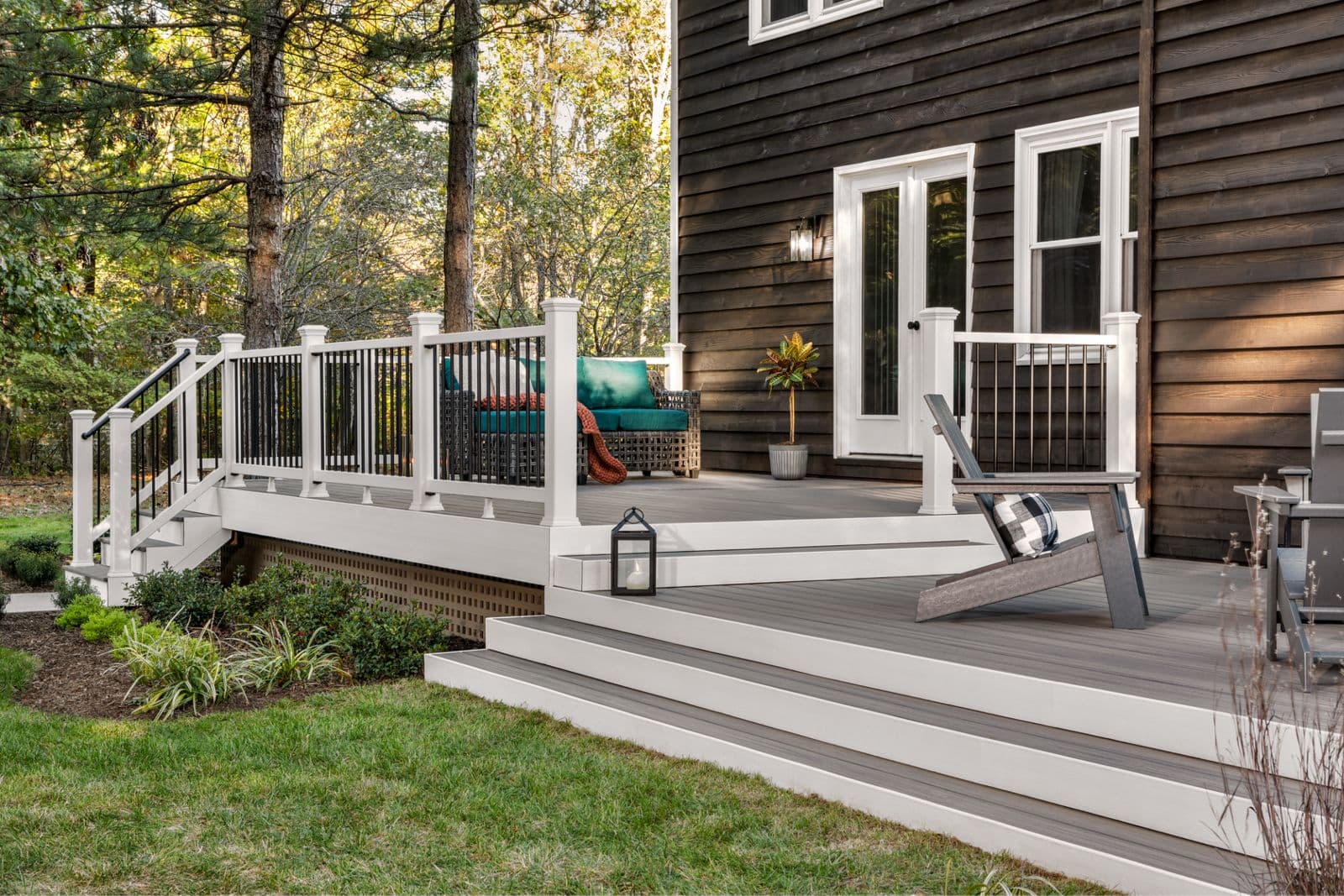
Understanding Commercial Use Requirements
Restaurant patios face unique challenges that differentiate them from residential decks. High foot traffic means the decking material must be exceptionally durable and resistant to abrasion. Frequent spills of food, beverages, and cleaning agents necessitate a surface that is easy to clean and resistant to staining. Furthermore, commercial spaces often have stricter fire codes and accessibility requirements, which may influence material selection and installation methods. It's crucial to verify local building codes and fire regulations before committing to a specific decking material.
The constant movement of chairs and tables can scratch or dent less resilient surfaces. Materials with high hardness or robust surface layers are often preferred. Additionally, the need for regular, thorough cleaning means the decking should tolerate commercial-grade cleaning products without degradation. These factors guide the selection process toward materials known for their resilience and ease of maintenance in demanding environments.
Material Spotlight: Hardwood Decking for Commercial Patios
Hardwood decking, particularly dense species like Ipe, offers natural beauty and exceptional durability for commercial patios. Ipe is known for its impressive hardness, which helps it resist dents and scratches from heavy furniture and foot traffic. Its natural resistance to rot and termites makes it a long-lasting option for outdoor environments. While Ipe can age to a silver patina, it can also be oiled to maintain its rich color.
However, hardwood decking requires regular maintenance, including cleaning and periodic oiling, to preserve its appearance and extend its service life. This maintenance schedule should be factored into operational costs for a restaurant. For commercial applications, selecting a reputable supplier and ensuring proper installation are key to maximizing the benefits of hardwood.
Modified Wood Options: Thermo Ash and Accoya
Thermally modified Ash is a real wood product enhanced through a heat and steam process, without added preservatives. This modification improves the wood's stability and resistance to decay, making it suitable for selected decking applications. It offers the aesthetic appeal of natural wood with enhanced performance characteristics. The specific decking profile and installation system must be confirmed to ensure suitability for commercial use.
Maximo Accoya is another modified wood option, distinct from thermally modified wood as it undergoes acetylation rather than heat treatment. This process enhances the wood's durability and stability, making it a reliable choice for long-lasting decks. Accoya offers minimal upkeep compared to some traditional hardwoods and can be specified with custom profiles for unique project requirements. Both modified wood types provide a balance of natural appearance and improved resilience for commercial patio settings.
Synthetic Decking: Composite and PVC
Composite decking offers a low-maintenance alternative, often requiring near-zero oiling or sanding. It is engineered to resist staining, fading, and scratching, making it a practical choice for busy restaurant patios where spills are common. Reputable brands of composite decking are designed for durability and ease of cleaning, which can reduce ongoing operational costs.
PVC decking is a 100% synthetic, waterproof material that stands out for its extreme resistance to moisture. This makes it an excellent choice for areas prone to frequent cleaning, heavy rain, or even direct water exposure. PVC decking is highly resistant to mold, mildew, and insects, contributing to a hygienic and low-maintenance patio surface. Its synthetic nature ensures consistent performance in various weather conditions and simplifies cleaning protocols.
Planning Your Patio Layout and Seating
Effective patio layout planning is crucial for maximizing seating capacity while ensuring comfortable guest flow and efficient service. Consider the dimensions of your tables and chairs, required spacing for walkways, and any necessary clearances for emergency exits. A common mistake is overcrowding, which can detract from the dining experience and hinder server efficiency.
Sketching out a detailed floor plan, including fixed elements like planters or outdoor heating, can help visualize the space. For a hypothetical 20-foot by 30-foot patio, using 30-inch square tables, you might aim for a layout that allows for 36-inch pathways between tables. This could accommodate approximately 15-20 tables, depending on your exact configuration, allowing for adequate circulation. Always consult local fire codes for minimum egress widths.
Consider how the decking pattern will integrate with your layout. Running boards parallel to the longest dimension can make a space feel larger, while a diagonal pattern can add visual interest. Ensure that any transitions between different sections of the patio, or between the patio and an interior space, are smooth and accessible.
Maintenance and Long-Term Considerations
The long-term maintenance of your chosen decking material directly impacts your restaurant's operational budget and staff workload. Hardwoods like Ipe require regular cleaning and periodic oiling to maintain their color and protect the wood. Thermally modified Ash and Accoya offer enhanced durability with less intensive upkeep than some traditional hardwoods, but still benefit from routine cleaning.
Composite and PVC decking are generally considered the lowest maintenance options, often only requiring routine cleaning with soap and water. This can be a significant advantage for busy restaurants, reducing labor costs and minimizing downtime for maintenance. When selecting a material, consider the availability of cleaning products compatible with your chosen decking and establish a clear maintenance schedule to ensure the patio remains inviting and functional year-round.
Always refer to the manufacturer's specific cleaning and care instructions for your chosen decking product to ensure proper maintenance and to avoid voiding any applicable warranties.
Before you order
- Verify local building codes and fire regulations for commercial outdoor spaces.
- Assess the expected foot traffic and furniture movement on the patio.
- Consider the ease of cleaning and resistance to spills and stains.
- Evaluate the long-term maintenance requirements and associated costs.
- Plan the patio layout to optimize seating capacity, guest flow, and server efficiency.
- Review material options: Hardwood (Ipe), Thermally Modified Ash, Maximo Accoya, Composite, and PVC.
- Confirm the specific profile and installation system for commercial application.
- Request material quotes with exact project dimensions, desired profile, and ZIP code.
Confirm installation details, approved uses and warranty terms in the current instructions for the exact product and profile. Your installer should verify the substrate, structure and applicable project requirements.
Questions to help you decide
What is the most durable decking material for a high-traffic restaurant patio?
For high-traffic restaurant patios, Ipe hardwood is known for its exceptional hardness and resistance to dents and scratches. Synthetic options like high-quality composite and PVC decking also offer significant durability and resistance to wear, making them strong contenders for commercial use. The best choice depends on your specific aesthetic preferences, maintenance budget, and local code requirements.
How do I calculate the amount of decking I need for my patio?
To calculate the amount of decking needed, first measure the total area of your patio in square feet. Then, consider the dimensions of the specific decking boards you plan to use. Divide the total patio area by the square footage of a single board to get an initial estimate. Always account for waste from cuts, especially for complex layouts or diagonal patterns, typically adding 10-15% extra. For a precise calculation, create a detailed cut plan or consult with a decking professional to ensure you purchase enough full boards and minimize waste.
What kind of maintenance can I expect for commercial patio decking?
Maintenance varies significantly by material. Hardwoods like Ipe require regular cleaning and periodic oiling (typically annually or bi-annually) to maintain their color and protect against weathering. Thermally modified Ash and Maximo Accoya will require less frequent oiling but still benefit from routine cleaning. Composite and PVC decking are generally considered low-maintenance, requiring only routine cleaning with soap and water to remove dirt and spills. Always follow the manufacturer's specific maintenance guidelines for your chosen product.
Ready to Plan Your Restaurant Patio Deck?
Request a material quote today! Provide your project dimensions, desired decking profile, and ZIP code to confirm current availability and service options for your commercial patio project. Visit our product pages for more details on: [Decking](/decking), [Hardwood Decking](/decking/hardwood), [Ipe Decking](/decking/hardwood/ipe), [Composite Decking](/decking/composite), and [PVC Decking](/decking/pvc).
Request a material quote →