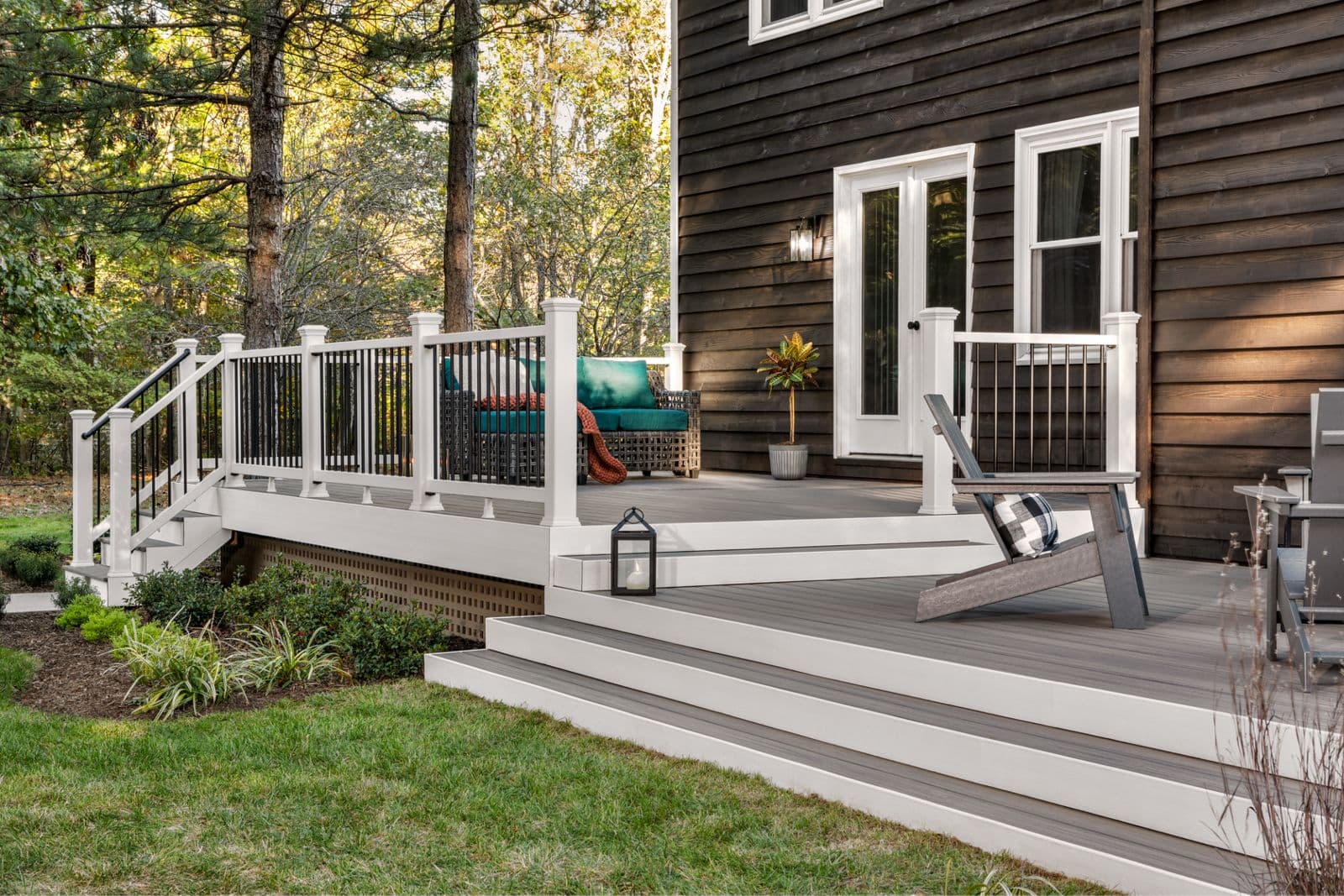
Understanding the Unique Demands of Pool Decking
A pool surround is a high-traffic area that experiences unique environmental stressors. Constant exposure to water, often chlorinated or saltwater, can affect material stability and appearance. UV radiation from the sun can lead to fading or degradation. Additionally, the surface needs to be comfortable for bare feet and provide adequate traction, even when wet. These factors mean that not all decking materials are equally suitable.
Consider the frequency of use, the local climate, and your willingness to commit to maintenance when evaluating options. A material that performs well in a dry, covered area might not be the best choice directly adjacent to a pool.
Hardwood Decking for Pool Surrounds
Certain hardwoods are known for their natural density and resistance to moisture, making them potential candidates for pool surrounds. Ipe, for example, is recognized for its hardness and natural resistance to rot and termites. It can age to a silver patina if left untreated or maintain its rich color with regular oiling. However, all hardwoods require regular maintenance, such as cleaning and re-oiling, to preserve their appearance and extend their service life.
While hardwoods can offer a premium aesthetic, their suitability for a pool environment depends on consistent care and proper installation that allows for drainage and ventilation. Be aware that wood surfaces can become slippery when wet, and the natural oils in some species may leach, potentially staining surrounding surfaces if not managed.
Explore Ipe decking options: /decking/hardwood/ipe
Modified Wood Options: Thermo Ash and Accoya
Modified woods offer enhanced durability and stability compared to traditional hardwoods, making them an interesting choice for pool areas.
Thermally modified Ash is wood treated with heat and steam, without added preservatives, to enhance its resistance to moisture and decay. This process makes it more stable and less prone to warping or shrinking. Thermo Ash can support selected decking applications, but the exact decking profile and installation system must be confirmed for pool surrounds. While it offers improved performance, it still retains the characteristics of real wood and may require some maintenance.
Maximo Accoya is real wood enhanced through acetylation, a process that alters the wood's cellular structure to improve durability and stability. It is not heat-treated wood. Accoya is noted for its durability and stability, which can be beneficial in moisture-rich environments like a pool surround. It offers minimal upkeep compared to many hardwoods and can be specified with custom profiles. Maximo Accoya is depicted in pool surround installations, suggesting its suitability for such applications.
Learn more about hardwood decking: /decking/hardwood
Composite and PVC Decking: Low Maintenance Solutions
Composite decking, typically made from a blend of wood fibers and plastic, offers a balance of natural appearance with enhanced durability. Many composite products are designed for near-zero maintenance, eliminating the need for oiling or sanding. They are engineered to resist rot, splinters, and insect damage, making them a practical choice for pool areas where moisture and foot traffic are constant.
PVC decking is a 100% synthetic material, making it waterproof to the core. This characteristic positions it as a strong contender for docks and pool decks due to its inherent resistance to water damage, mold, and mildew. PVC decking typically requires minimal upkeep, often just soap and water cleaning. Its synthetic nature means it will not splinter, rot, or be affected by insects. Many PVC decking products are designed with features that aim to improve traction when wet.
For pool surrounds, both composite and PVC options offer significant advantages in terms of reduced maintenance and increased resistance to pool chemicals and moisture. It is important to check specific product specifications for slip resistance claims and cleaning instructions.
Explore composite decking: /decking/composite
Explore PVC decking: /decking/pvc
Planning Your Pool Decking Project: A Hypothetical Example
Imagine you are planning a pool surround for a rectangular pool measuring 15 feet by 30 feet. You want a 4-foot wide deck on all four sides. The total area to be decked would be (15 + 2*4) feet by (30 + 2*4) feet, minus the pool area itself. This means a total outer dimension of 23 feet by 38 feet, or 874 square feet. Subtracting the pool's 450 square feet leaves 424 square feet of decking area.
If you choose a PVC decking board that is 5.5 inches wide (approximately 0.458 feet) and available in 16-foot lengths, you would first calculate the linear footage needed. For a 4-foot wide section, you would need 4 feet / 0.458 feet/board = approximately 8.7 boards in width. Since you can't buy partial boards for width, you'd plan for 9 boards across. For the longer sides (38 feet total length), you'd need 9 boards * 38 feet = 342 linear feet per side. For the shorter ends (23 feet length, after accounting for the long sides), you'd need 9 boards * 23 feet = 207 linear feet per end. Total linear footage would be (342*2) + (207*2) = 684 + 414 = 1098 linear feet.
If boards are 16 feet long, you would need 1098 linear feet / 16 feet/board = approximately 68.625 boards. You would purchase 69 boards, assuming minimal waste and efficient cutting. This calculation provides an estimate; actual quantities will depend on layout, cuts, and waste factor. Always add a waste factor (typically 5-10%) to your final material order.
This example assumes a simple, straight layout. More complex designs, like diagonal patterns or picture-frame borders, will require more detailed planning and potentially more material.
Before you order
- Assess the level of moisture exposure from pool splashing and rain.
- Consider the local climate and UV intensity.
- Determine your commitment to ongoing maintenance (e.g., cleaning, oiling).
- Evaluate the desired aesthetic: natural wood look vs. uniform, consistent appearance.
- Research product-specific slip resistance features and claims.
- Confirm compatibility with pool chemicals (chlorine, salt) for chosen material.
- Verify installation requirements, especially for drainage and ventilation.
- Plan for edge finishes and trim pieces that are suitable for wet environments.
- Factor in the long-term cost of ownership, including cleaning products and sealants.
Confirm installation details, approved uses and warranty terms in the current instructions for the exact product and profile. Your installer should verify the substrate, structure and applicable project requirements.
Questions to help you decide
What decking material is best for high-moisture pool areas?
For areas with consistent high moisture, PVC decking is often considered a top choice due to its 100% synthetic, waterproof core. It resists rot, mold, and mildew effectively. Composite decking also performs well in moist environments, offering enhanced durability over traditional wood.
How do I prevent my pool decking from becoming slippery?
When selecting decking, inquire about product-specific features intended to improve grip in wet conditions. Regular cleaning to remove algae, dirt, and chemical residues can also help maintain surface traction.
What kind of maintenance does pool decking require?
Maintenance varies significantly by material. Hardwoods typically require regular cleaning, and periodic re-oiling or sealing to maintain their appearance and protect against moisture. Modified woods like Thermo Ash or Accoya may require less frequent maintenance than traditional hardwoods but still benefit from cleaning. Composite and PVC decking generally require the least maintenance, usually just cleaning with soap and water to remove dirt and pool residues. Always follow the manufacturer's specific cleaning and care guidelines for your chosen product.
Ready to Plan Your Pool Decking Project?
Request a material quote today with your project dimensions, exact profile preferences, and ZIP code. Our team can help you confirm current availability and service options for your ideal pool surround decking.
Request a material quote →