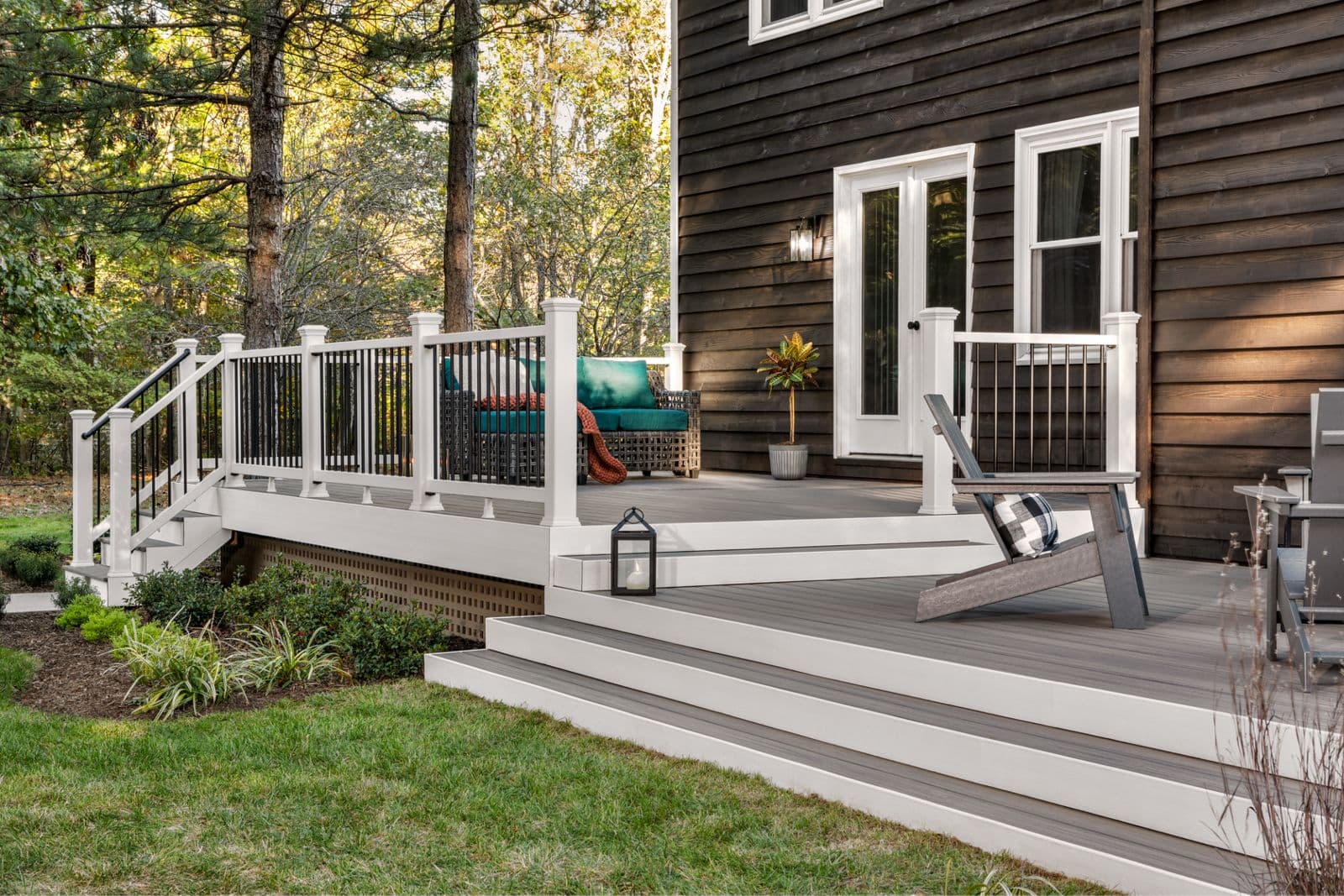
Material Selection for Outdoor Kitchen Decking
The decking material you choose for an outdoor kitchen area needs to perform reliably under specific conditions. Consider materials that offer durability and resistance to common outdoor kitchen challenges.
Hardwood decking, such as Ipe, is known for its density and resistance to rot and insects. It can be a robust choice for high-traffic areas and offers a natural aesthetic. However, all wood decking requires careful consideration regarding proximity to heat sources and potential for grease stains. Regular cleaning and maintenance are important to preserve its appearance. Ipe in particular has an unmatched hardness, making it a durable option that can age to a silver patina or be oiled to maintain its color.
Composite and PVC decking options are designed for low maintenance, offering near-zero oiling or sanding. These synthetic materials are engineered to resist moisture and staining, which can be beneficial in a kitchen environment where spills are possible. PVC decking is 100% synthetic and waterproof to the core, making it a strong candidate for areas prone to moisture.
Thermally modified Ash and Maximo Accoya are other wood options. Thermally modified Ash is modified with heat and steam, without added preservatives, supporting selected decking applications. Maximo Accoya is real wood enhanced through acetylation, not heat treatment, offering durability and stability for long-lasting decks with minimal upkeep. Both offer enhanced stability, which can be an advantage around appliances.
Regardless of the material, always confirm specific product profiles and installation systems with the manufacturer to ensure suitability for your outdoor kitchen project.
Planning Clearances for Appliances
A critical aspect of designing an outdoor kitchen deck is ensuring proper clearances around all appliances. This isn't just about functionality; it's about safety and preventing fire hazards. Grills, side burners, and pizza ovens generate significant heat, and inadequate spacing can damage surrounding decking or pose a risk.
Always consult the manufacturer's installation guides for each appliance to determine minimum required clearances to combustible materials. These specifications will dictate how close your decking can be to the appliance's sides, back, and top. For built-in grills, pay close attention to the ventilation requirements for the grill cabinet to prevent heat buildup.
However, this can vary widely. Some appliances may require non-combustible pads or barriers underneath or around them. Plan your deck layout to accommodate these clearances, potentially using non-combustible materials like stone, concrete, or metal for the immediate area around the appliance.
Structural Support for Heavy Outdoor Kitchen Components
Outdoor kitchen appliances, especially built-in grills, refrigerators, and stone countertops, can be considerably heavy. Your deck's substructure must be designed to support these concentrated loads. Standard deck framing may not be sufficient without reinforcement.
Before finalizing your deck plans, identify the exact weight of all major outdoor kitchen components. Consult with a structural engineer or experienced contractor to assess the existing or proposed deck frame. They can recommend specific reinforcements, such as additional joists, beams, or stronger footings, to adequately support the increased weight.
For islands or cabinets that house appliances, consider building these directly on reinforced sections of the deck frame, or even extending footings from the ground up through the deck surface to support the heaviest elements independently. This approach isolates the load from the main deck structure and provides a more stable foundation for your kitchen area.
Addressing Fire-Related Details
Fire safety is paramount when planning an outdoor kitchen on a deck. Beyond clearances, consider how to mitigate risks associated with cooking.
Use non-combustible materials directly under and around heat-producing appliances. This might involve a slab of concrete, stone pavers, or specialized fire-rated boards. These materials create a barrier that can contain sparks, embers, or drips of hot grease.
Ensure adequate ventilation for built-in grills. Many grills require specific airflow around their firebox to operate safely and efficiently. Poor ventilation can lead to overheating, which can damage the appliance and surrounding structures. Follow the grill manufacturer's guidelines precisely for cabinet construction and venting.
Consider the overall layout to ensure easy access to a fire extinguisher. Positioning the kitchen area away from highly flammable landscaping or structures is also a good practice.
Worked Example: Planning a Grill Station on a New Deck
Let's consider a hypothetical 10-foot by 12-foot deck where you plan to integrate a built-in gas grill.
First, for the non-combustible base: you decide on a 36-inch by 30-inch slab of concrete to accommodate the grill's footprint and provide an extra margin. This slab will be supported by dedicated framing. If your decking boards are 5.5 inches wide, the concrete slab will displace approximately 6-7 full board widths in that section.
The deck boards would then begin 24 inches from the edge of the grill cabinet.
This might involve doubling up joists or adding blocking to distribute the load to multiple joists and beams. For a new deck, this reinforcement is designed into the frame from the outset. For existing decks, a structural review would confirm the necessary upgrades.
This example illustrates how specific manufacturer requirements directly influence the decking layout and structural design, moving beyond general aesthetic choices.
Before you order
- Confirm all appliance manufacturer clearance requirements for combustible materials.
- Identify the total weight of all outdoor kitchen components (grill, refrigerator, countertop, etc.).
- Consult a structural engineer or experienced contractor for substructure reinforcement needs.
- Select decking materials suitable for outdoor kitchen use, considering durability and maintenance.
- Plan for non-combustible surfaces directly under and around heat-producing appliances.
- Ensure adequate ventilation for built-in grills as per manufacturer specifications.
- Consider the overall layout for safety, access, and aesthetic integration.
- Factor in potential grease splatter and ease of cleaning for chosen decking materials.
Confirm installation details, approved uses and warranty terms in the current instructions for the exact product and profile. Your installer should verify the substrate, structure and applicable project requirements.
Questions to help you decide
Can I use any type of decking material around a grill?
No, not all decking materials are equally suitable. While many materials can be used, you must strictly adhere to the grill manufacturer's specified clearances to combustible materials. For areas immediately adjacent to a grill, consider using non-combustible materials like stone, concrete, or metal to enhance safety and protect your deck from heat damage or grease splatters. Hardwoods like Ipe and low-maintenance synthetics like composite or PVC decking can be good choices for the wider deck area, provided clearances are maintained and you plan for cleaning.
How do I ensure my deck can support a heavy outdoor kitchen island?
To support a heavy outdoor kitchen island, you need to reinforce your deck's substructure. Start by determining the exact weight of the island, including appliances and countertop materials. Then, consult a structural engineer or a qualified contractor. They can advise on specific reinforcements such as adding extra joists, beams, or footings directly beneath the island's footprint to distribute the load safely. For new construction, these reinforcements are integrated into the initial design.
What is the most important safety consideration for an outdoor kitchen deck?
The most important safety consideration is ensuring proper clearances around heat-producing appliances like grills and burners. Always follow the appliance manufacturer's instructions for minimum distances to combustible materials. Additionally, incorporating non-combustible surfaces directly under and around these appliances is crucial to prevent fire hazards from sparks, embers, or hot grease. Adequate ventilation for built-in units and planning for easy access to a fire extinguisher also contribute significantly to overall safety.
Ready to Plan Your Outdoor Kitchen Deck?
Request a material quote with your project dimensions, desired decking profile, and ZIP code. Our team can help confirm current availability and service options for your outdoor kitchen decking project. Explore our decking options, including hardwood, composite, and PVC, to find the right materials for your vision.
Request a material quote →