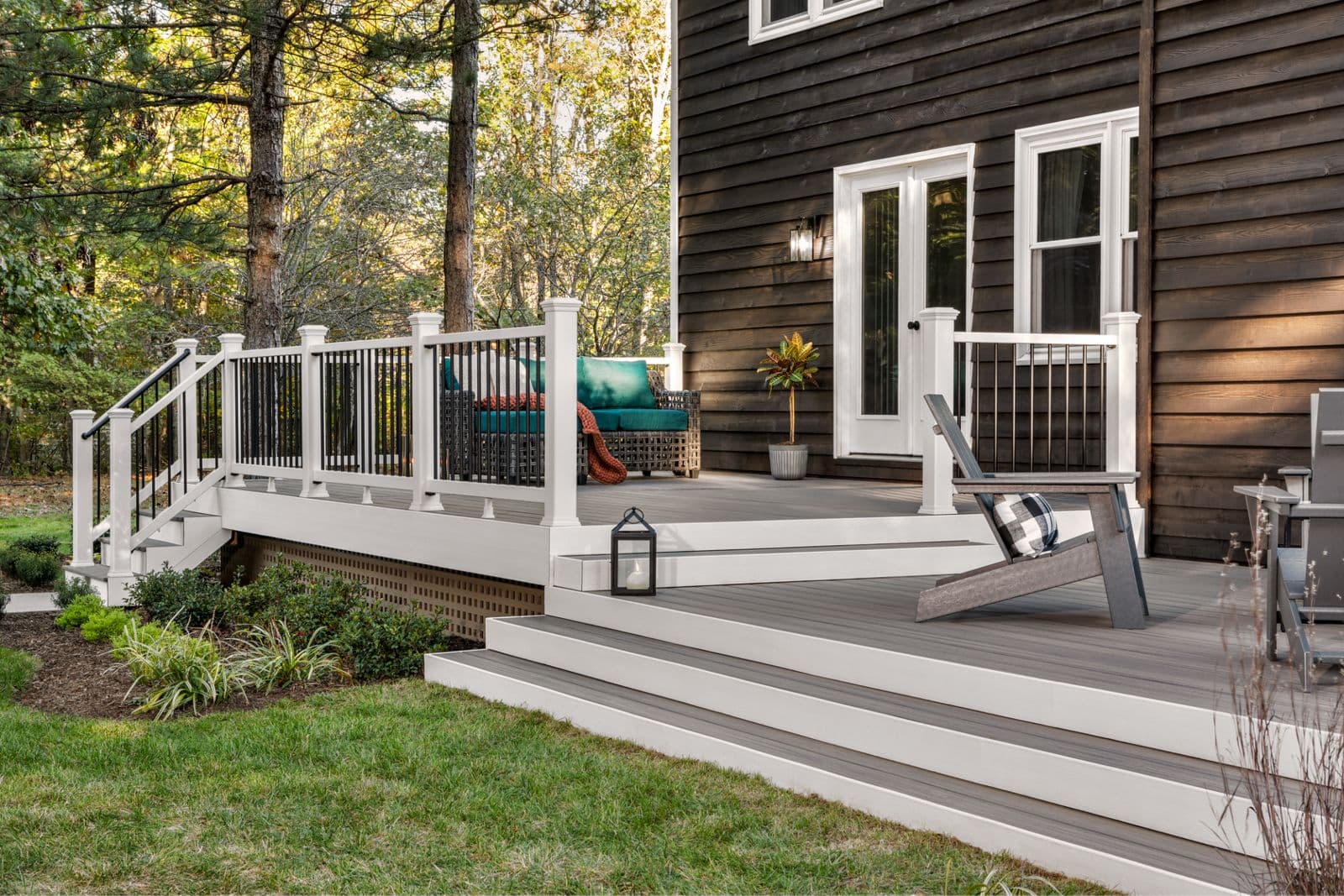
Understanding Hospitality Decking Requirements
Hospitality decks are active spaces. They might host dining, lounging, events, or simply provide a quiet retreat. This intensive use means decking must withstand constant foot traffic, potential spills, furniture movement, and varying weather conditions. Key considerations include:
Durability: The material must resist wear, scratches, and impact, maintaining its appearance over time.
Safety: A stable, slip-resistant surface is crucial for guest safety, especially in areas prone to moisture.
Maintenance: Ease of cleaning and maintenance is vital for operational efficiency and guest satisfaction. Low-maintenance options can significantly reduce labor costs.
Aesthetics: The decking should complement the overall design of the property, contributing to the desired ambiance.
Longevity: A long service life minimizes disruption from frequent replacements and offers a better return on investment.
Environmental Factors: Consider sun exposure, moisture, and temperature fluctuations, which can impact material performance.
Material Options for Hospitality Decks
Several decking materials are suitable for hospitality, each with distinct characteristics:
Hardwood Decking (e.g., Ipe): Known for its exceptional hardness and natural resistance to rot and termites. Ipe, for instance, is a very dense wood that can endure heavy use. It can age to a silver patina if left untreated or maintain its rich color with regular oiling. Hardwood offers a natural, luxurious aesthetic.
Thermally Modified Ash: This wood is modified with heat and steam, enhancing its stability and durability without added preservatives. Thermally modified Ash offers a distinct grain and can be suitable for selected decking applications where a modified wood aesthetic is desired. The specific profile and installation system must be confirmed for each project.
Maximo Accoya: An acetylated wood product, Maximo Accoya is real wood enhanced for durability and stability. It is not heat-treated like thermally modified wood. Maximo Accoya offers a natural wood look with enhanced performance, supporting long-lasting decks and minimal upkeep. Custom profiles may be available by project.
Composite Decking: Typically made from a blend of wood fibers and plastic, composite decking offers a balance of natural appearance and low maintenance. It resists splinters, rot, and insects, and generally requires no oiling or sanding. Many brands offer a range of colors and textures.
PVC Decking: A 100% synthetic, waterproof material. PVC decking is highly resistant to moisture, making it an excellent choice for areas around pools or in very wet environments. It requires near-zero maintenance and is resistant to stains and fading.
Worked Example: Selecting Decking for a Hotel Rooftop Lounge
Consider a hypothetical hotel rooftop lounge project: a 1,500 square foot area designed for guest relaxation, occasional dining, and small events. The deck will be exposed to full sun and occasional rain, with high foot traffic during peak hours. The hotel's design aesthetic is modern luxury with natural elements.
Initial Considerations:
High durability and wear resistance are paramount due to heavy traffic and furniture movement.
Low maintenance is a high priority for hotel operations to reduce labor costs and ensure continuous availability.
The material needs to withstand sun exposure without excessive fading or warping.
A sophisticated, natural appearance is desired to align with the hotel's brand.
Safety, particularly slip resistance, is critical.
Material Analysis:
Hardwood (Ipe): Offers exceptional durability and a luxurious look. However, it would require regular oiling to maintain its color, which might be too intensive for the hotel's maintenance schedule. If left to patina, the silver-gray might not align with the desired aesthetic.
Thermally Modified Ash: Provides a natural wood look with enhanced stability. Maintenance is lower than traditional hardwoods. However, the specific wear resistance for heavy commercial traffic would need to be thoroughly evaluated against manufacturer guidelines.
Maximo Accoya: Offers enhanced durability and stability for a natural wood product with minimal upkeep. This could be a strong contender for its balance of natural beauty and performance, provided its wear characteristics for high-traffic commercial use are confirmed.
Composite Decking: Many high-quality composite brands offer excellent wear resistance, UV stability, and very low maintenance. The range of colors and wood-grain textures can closely match the desired aesthetic. Its resistance to stains and fading is a significant advantage for a hospitality setting.
PVC Decking: Offers the highest level of moisture resistance and near-zero maintenance. While highly durable, the aesthetic might lean more synthetic than the desired 'natural elements' theme. However, for specific zones like a bar area where spills are frequent, it could be a targeted solution.
Decision: For this scenario, a high-performance composite decking would likely be the optimal choice. It provides the necessary durability, low maintenance, and aesthetic versatility to meet the hotel's operational and design requirements. Its resistance to fading and staining under sun exposure and heavy use makes it a practical long-term investment. If a natural wood look with minimal upkeep is prioritized above all else, Maximo Accoya would warrant a deeper dive into its commercial wear performance.
Planning for Maintenance and Longevity
Long-term performance and guest satisfaction depend heavily on proper maintenance. When selecting decking for hospitality:
Understand the manufacturer's cleaning recommendations: Some materials require specific cleaning agents or methods. Establish a clear maintenance schedule with your operations team.
Consider stain resistance: Spills are inevitable in hospitality. Materials with good stain resistance will simplify cleanup and preserve appearance.
UV stability: For outdoor areas exposed to sun, materials that resist fading and degradation from UV rays will maintain their aesthetic longer.
Repairability: Inquire about how individual boards can be replaced or repaired without extensive disruption to operations. This is particularly important for high-traffic areas where localized damage might occur.
Installation Details and Structural Support
The success of a hospitality deck also hinges on robust installation and proper structural support.
Substructure: Ensure the existing or planned substructure can adequately support the chosen decking material, anticipated live loads (guests, furniture, equipment), and any additional features like planters or hot tubs. Consult with a structural engineer.
Ventilation and Drainage: Proper ventilation beneath the deck is crucial for material longevity, especially for wood and composite products. Ensure adequate drainage to prevent water pooling.
Fastening Systems: Consider the visibility of fasteners. Hidden fastening systems offer a cleaner, more refined look, which is often preferred in hospitality settings. Confirm compatibility with your chosen decking material.
Board Spacing: Adhere strictly to the manufacturer's recommended board spacing to allow for expansion and contraction and to facilitate drainage. Incorrect spacing can lead to issues like buckling or excessive gaps.
Edging and Fascia: Plan for finished edges and fascia boards that complement the main decking and provide a polished appearance, especially where the deck transitions to other surfaces or overlooks open areas.
Before you order
- What is the primary function of the outdoor space (dining, lounging, events)?
- What is the estimated daily foot traffic?
- What level of sun exposure will the deck receive?
- Is the area prone to moisture (e.g., near a pool, in a humid climate)?
- What is the desired aesthetic (natural wood, modern, low-profile)?
- What is the available budget for initial material costs?
- What are the long-term maintenance capabilities and budget of the operations team?
- Are there specific safety requirements (e.g., slip resistance, fire ratings)?
- Does the material need to integrate with existing architectural elements or branding?
- What is the desired lifespan of the deck before major renovation?
- Have you consulted with a structural engineer for load bearing capacity?
- Have you reviewed manufacturer installation guidelines for your chosen material?
Confirm installation details, approved uses and warranty terms in the current instructions for the exact product and profile. Your installer should verify the substrate, structure and applicable project requirements.
Questions to help you decide
Which decking material is most durable for high-traffic hospitality areas?
For very high-traffic hospitality areas, materials like Ipe hardwood, high-quality composite decking, and PVC decking generally offer excellent durability and wear resistance. Ipe is renowned for its hardness, while composite and PVC provide robust surfaces that resist scratches and impacts, often with minimal maintenance.
How important is slip resistance for hospitality decking?
Slip resistance is critically important for hospitality decking. Guest safety is paramount, and areas that may become wet from spills, rain, or pool use require surfaces that reduce the risk of slips and falls. Always confirm the slip resistance properties of your chosen material, especially for outdoor dining or pool surrounds.
Can I achieve a natural wood look with low-maintenance decking?
Yes, you can achieve a natural wood look with several low-maintenance options. High-quality composite decking is available in a wide range of colors and textures that mimic various wood species. Maximo Accoya offers enhanced natural wood with significant durability and reduced upkeep compared to traditional hardwoods. Thermally modified Ash also provides a natural wood aesthetic with improved stability.
Ready to Plan Your Hospitality Deck?
Request a material quote for your project. Provide your project dimensions, desired decking profile, and ZIP code to confirm current availability and service options. Explore our full range of decking products, including hardwood, thermally modified, composite, and PVC options, to find the perfect fit for your hospitality space.
Request a material quote →