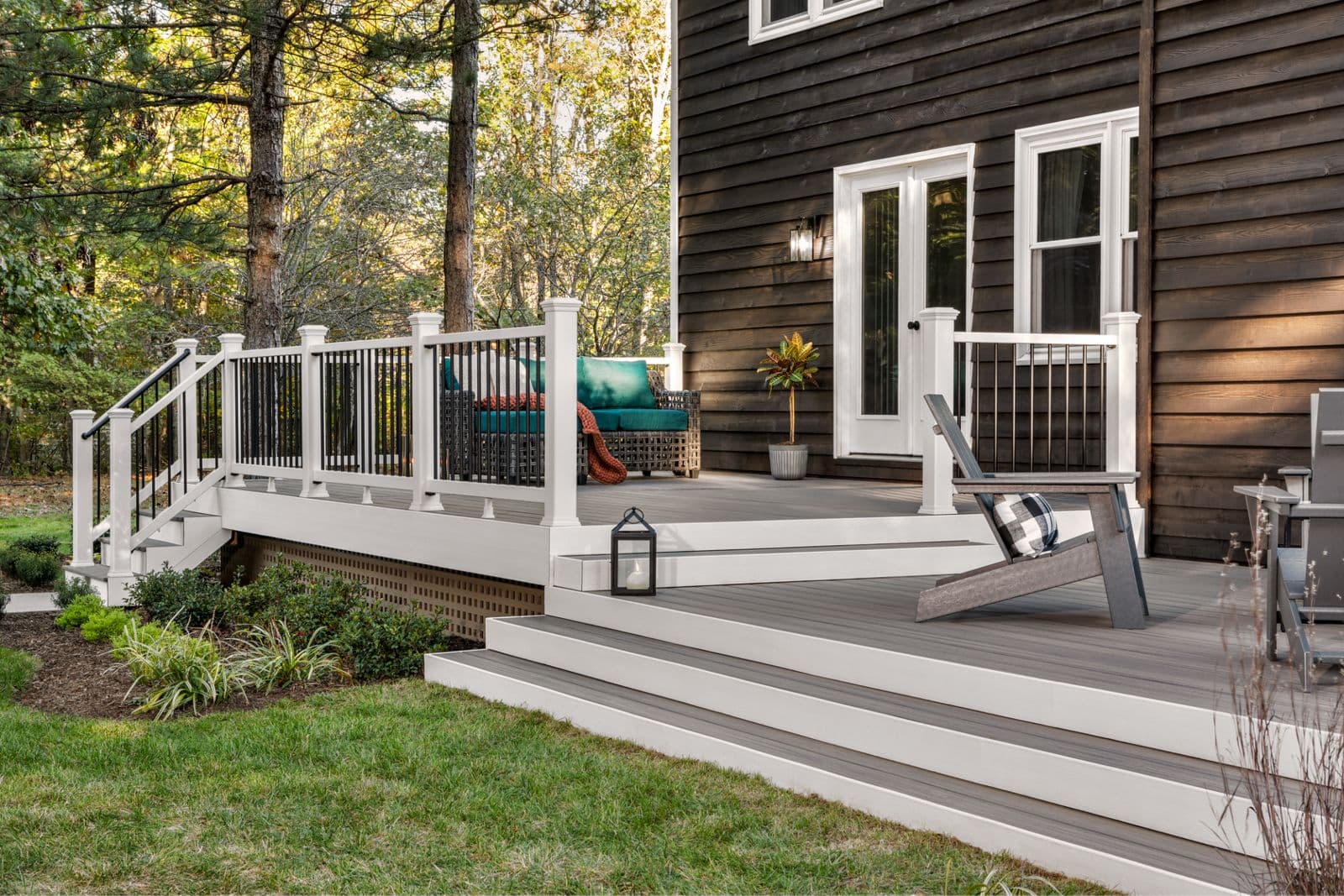
The Initial Frame Assessment: What to Look For
Before you even consider new decking, a thorough inspection of your existing frame is essential. This involves looking at the fundamental components: posts, beams, joists, and ledger board.
Begin by clearing the deck of all furniture, planters, and existing decking boards to expose the frame fully. Visually inspect all wood components for signs of rot, decay, insect damage, or significant splitting. Pay close attention to areas where wood meets the ground, attaches to the house, or where water might accumulate.
Use a screwdriver or awl to probe suspicious areas. If the wood feels soft or crumbles easily, it's likely compromised. Check all fasteners (nails, screws, bolts) for rust or loosening. Any signs of structural movement, such as sagging joists or wobbly posts, indicate a need for repair or replacement rather than simple resurfacing.
Understanding Joist Spacing and Decking Compatibility
Different decking materials and profiles have specific maximum allowable joist spans. Exceeding these spans can lead to sagging, premature wear, and potential failure of the decking.
Measure the center-to-center distance between your joists. However, some older decks or those built for lighter loads might have wider spacing. Many composite and PVC decking products require 16 inches OC or even 12 inches OC for diagonal installations or specific board profiles.
Thermally modified Ash and Maximo Accoya also have specific span requirements that must be verified. If your existing joist spacing is wider than what your desired new decking allows, you may need to add additional joists or reinforcing blocking to meet the structural requirements. Do not assume universal compatibility.
Ledger Board and Flashing Inspection
The ledger board, which attaches the deck frame to your house, is a critical structural element. Inspect its condition thoroughly, as failure here can be catastrophic. Check for any signs of rot, especially where it meets the house or where water might have penetrated.
Proper flashing above the ledger board is essential to prevent water intrusion into your home's structure. Look for any gaps, tears, or deterioration in the flashing material. If the flashing is compromised or absent, it must be repaired or installed correctly before new decking is laid, regardless of the frame's overall condition.
Material Specifics: Hardwood, Composite, and PVC Decking
Each decking material has unique considerations for frame reuse:
Hardwood Decking: Hardwoods like Ipe are known for their strength and density. However, their weight can be a factor. Ensure your frame is robust enough to support the increased dead load if you're upgrading from a lighter material. Hardwood decking may also require specific fastening methods that could influence joist condition.
Thermally Modified Wood: Thermally modified Ash and Maximo Accoya offer enhanced stability and durability. Their span requirements are typically similar to traditional hardwoods but always check the manufacturer's installation guidelines for the exact profile you choose. These materials are lighter than some dense hardwoods, which can be an advantage for existing frames.
Composite and PVC Decking: These synthetic materials are engineered products with specific installation requirements. They can also expand and contract with temperature changes, necessitating precise gapping and fastening, which an older frame might need to accommodate. Some brands, such as those from Trex and TimberTech, specify their support requirements.
Always consult the manufacturer's installation guide for your specific decking product to confirm joist spacing, fastening requirements, and any other frame-related considerations.
Worked Example: Joist Spacing for a 10x12 Foot Deck Resurface
Let's consider a hypothetical 10-foot by 12-foot deck.
To accommodate the new material, you would need to add additional joists.
This modification would involve securing new joists of the same dimension and material as the existing ones, ensuring they are properly supported by the beams and ledger. This adds to the project's complexity and material cost, but it's essential for structural integrity. Always consult a qualified builder or engineer for specific structural modifications.
Consulting a Professional Installer
While this guide provides a framework for assessment, the most reliable way to determine if your deck frame can be reused is to consult with a qualified contractor or deck builder. They can provide an expert opinion on the frame's structural integrity, identify hidden issues, and advise on any necessary repairs or modifications.
A professional can also help you understand local building codes, which may have changed since your original deck was built. Ensuring your resurfaced deck meets current codes is crucial for safety and compliance.
Before you order
- Inspect all posts, beams, joists, and ledger for rot, decay, or damage.
- Probe soft spots with a screwdriver; if wood crumbles, replacement is likely needed.
- Check all fasteners for rust, looseness, or pull-out.
- Measure existing joist spacing (center-to-center).
- Compare existing joist spacing with the maximum allowable span for your chosen new decking material.
- Inspect the ledger board for rot and the flashing for integrity.
- Consider the weight of the new decking material and if the existing frame can support it.
- Assess if any structural modifications (e.g., adding joists) are required.
- Consult a qualified contractor for a professional structural assessment and code compliance review.
Confirm installation details, approved uses and warranty terms in the current instructions for the exact product and profile. Your installer should verify the substrate, structure and applicable project requirements.
Questions to help you decide
How do I know if my deck frame is too old to reuse?
Age alone isn't the sole determinant. A well-built and properly maintained frame, even an older one, might be perfectly suitable. The key is its current structural integrity. Look for widespread rot, significant insect damage, severe splitting, or sagging. If multiple structural components are compromised, a full replacement might be more cost-effective and safer than trying to salvage the old frame.
Can I mix different types of wood in my deck frame?
While it's generally best practice to use consistent materials for structural components, adding new treated lumber joists to an existing frame of a different species (e.g., untreated pine) is common for repairs or modifications. The critical factors are ensuring the new wood is suitable for outdoor use, treated appropriately (if necessary), and that all connections are structurally sound and corrosion-resistant. Always confirm with a professional that the mixed materials will perform adequately together.
What if my deck frame has some minor damage?
Minor damage, such as a few loose fasteners, superficial checking, or small areas of surface rot, can often be repaired. Loose fasteners can be tightened or replaced with stronger, corrosion-resistant alternatives. Small areas of rot might be removed and patched, or affected joist ends reinforced. However, any repair must restore the structural integrity to meet or exceed the requirements for your new decking. For anything beyond very minor issues, professional assessment is recommended.
Ready to Resurface Your Deck?
Request a material quote with your project dimensions, exact profile, and ZIP code to confirm current availability and service options. Ensure your frame's condition and joist spacing are reviewed by a qualified installer before finalizing your material order.
Request a material quote →