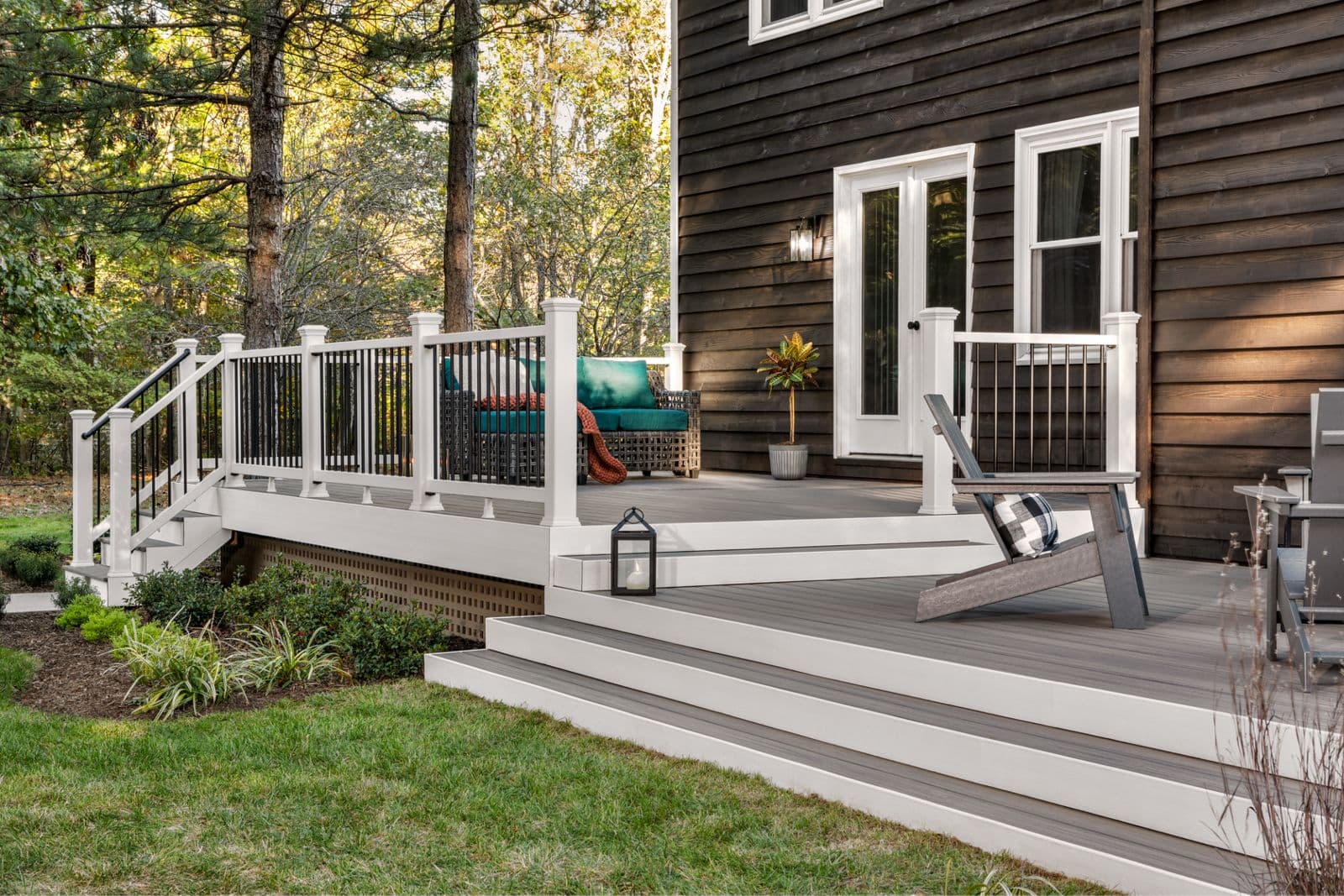
The Importance of Early Planning for Delivery
Imagine your delivery truck arriving on a narrow residential street, only to find no clear path to unload, or a driveway blocked by other vehicles. This scenario, while preventable, highlights why early planning is crucial. Before you even place your decking order, consider the logistical journey your materials will take from our facility to your project site. Thinking through these details in advance can save significant time and prevent potential headaches on delivery day.
Effective planning involves coordinating with your supplier and installer, understanding the dimensions and weight of your material order, and assessing your property's accessibility. These proactive steps ensure that everyone involved is prepared, from the delivery driver to the installation team.
Assessing Your Jobsite Access and Unloading Zone
Before delivery, identify the best route for large vehicles to approach your property and the most suitable spot for unloading. Consider the following:
**Vehicle Size:** Delivery trucks for decking materials can range from large flatbeds to smaller box trucks. Confirm with your supplier what type of vehicle will be used.
**Road and Driveway Clearances:** Check for overhead obstructions like tree branches, power lines, or low eaves. Ensure your driveway or street access is wide enough and free from parked cars, construction debris, or landscaping features that could impede a large truck's movement.
**Unloading Space:** Designate a clear, level area for the materials to be unloaded. This space should be close enough to the final storage location to minimize manual handling, but also safely out of the way of ongoing construction or public access.
**Ground Conditions:** Ensure the unloading area has stable ground. Soft soil, steep inclines, or uneven terrain can pose challenges for heavy equipment or even hand unloading.
Preparing Your Material Storage Area
Proper storage protects your decking materials from the elements and potential damage. Different decking types—like hardwood, thermally modified wood, composite, or PVC—may have specific storage recommendations. Always consult the manufacturer's guidelines for your chosen product.
**Protection from Weather:** Shield materials from direct sunlight, rain, and excessive moisture. This can involve covering them with tarps, storing them under a temporary shelter, or placing them in a garage or shed. Ensure adequate air circulation to prevent mold or warping, especially for wood products.
**Elevation and Support:** Store decking boards flat and elevated off the ground to prevent moisture absorption and maintain straightness. This is particularly important for hardwood and thermally modified decking like Thermo Ash.
**Security:** Secure materials to prevent theft or accidental displacement, especially if the site is open or exposed to wind. Keep materials away from active work zones where they could be damaged by equipment or falling objects.
**Accessibility:** While protected, the storage area should still be easily accessible for your installers. Avoid stacking materials in a way that makes individual boards difficult to retrieve without disturbing the entire stack.
Worked Example: Planning for a 20x12 Foot Ipe Deck
Consider a homeowner building a 20-foot by 12-foot Ipe deck, requiring approximately 240 square feet of decking. This project would need about 522 linear feet of decking (240 sq ft / 0.46 sq ft/linear ft). If using 16-foot length boards, this translates to about 33 boards (522 linear feet / 16 feet/board).
**Delivery Assessment:** The homeowner confirms with Lumber Plus that the Ipe boards will arrive bundled on a flatbed truck, requiring a 40-foot clear path for maneuvering. Their driveway is 10 feet wide and 60 feet long, with no overhead obstructions. They identify a clear, level area beside the garage, 15 feet from the driveway, as the unloading zone.
**Storage Preparation:** The homeowner clears a 20-foot by 4-foot space in their backyard, adjacent to the deck footprint. They place concrete blocks on the ground, spaced every 2 feet, and then lay down 2x4s as sleepers. They plan to cover the stacked Ipe boards with a heavy-duty tarp, ensuring the sides are open for air circulation. This keeps the dense Ipe wood protected while allowing it to acclimate to the local humidity before installation.
This methodical approach ensures the Ipe, known for its hardness and natural resistance to rot and termites, is handled with the care it deserves from delivery to installation. (Source: S1 for Ipe properties)
Coordinating with Your Installer and Supplier
Open communication with both your decking supplier and your installer is key to a smooth process. Share your site access plan with the supplier when ordering to confirm they can accommodate any specific delivery requirements. Likewise, discuss the material staging and storage plan with your installer. They may have preferences for how materials are stacked or where they are placed to optimize their workflow.
Confirm delivery dates and times, and be prepared to receive the materials or arrange for someone to be present. Discuss any potential limitations, such as restricted delivery hours or neighborhood regulations, well in advance. This collaborative approach minimizes surprises and ensures a well-orchestrated project.
Before you order
- Confirm the type and size of delivery vehicle expected.
- Measure road, driveway, and gate clearances for vehicle access.
- Identify a clear, level, and stable unloading zone.
- Designate a protected, elevated, and well-ventilated storage area.
- Review manufacturer's specific storage instructions for your decking material.
- Communicate access and storage plans with both your supplier and installer.
- Arrange for someone to be present during delivery to inspect materials.
Confirm installation details, approved uses and warranty terms in the current instructions for the exact product and profile. Your installer should verify the substrate, structure and applicable project requirements.
Questions to help you decide
Can I have my decking materials delivered without anyone present?
While some suppliers may offer unattended delivery, it's generally recommended to have someone present. This allows for immediate inspection of the materials for any damage or discrepancies, and to ensure they are placed in the designated area. If unattended delivery is necessary, confirm the supplier's policy and any liability implications beforehand.
How long can I store decking materials on site before installation?
The storage duration depends heavily on the decking material and local climate. Hardwood and thermally modified wood often benefit from an acclimation period of several days to a week to adjust to local humidity, but prolonged storage without proper protection can lead to warping or moisture damage. Composite and PVC decking are generally more stable but still require protection from prolonged direct sun exposure and proper support to prevent bowing. Always refer to the specific manufacturer's guidelines for your chosen product.
What if my property has limited access for a large delivery truck?
If your property has limited access, it's crucial to inform your supplier at the time of your quote or order. They may be able to arrange for a smaller delivery vehicle, a different unloading method, or advise on alternative solutions like a transfer point. Additional fees may apply for specialized delivery services. Early communication is key to finding a viable solution.
Request a Quote for Your Decking Project
Ready to start planning your deck? Contact us with your project dimensions, desired decking profile, and ZIP code to request a material quote. We can confirm current availability and discuss service options for your location.
Request a material quote →