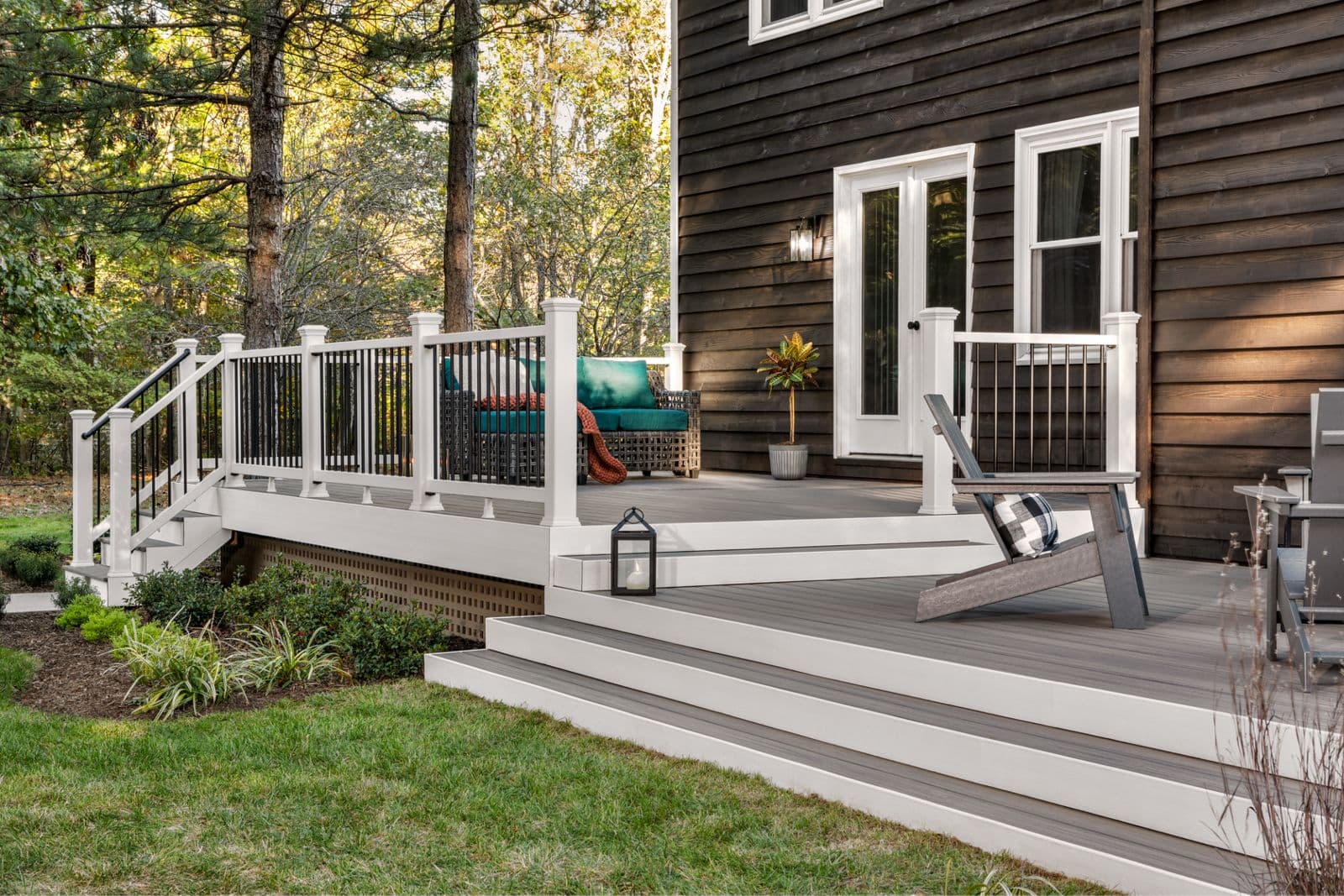
Confirming the Decking Material and Species
The first step in any material order is a clear confirmation of the decking material itself. Lumber Plus offers a range of options including hardwood, thermally modified wood, acetylated wood, composite, and PVC decking. Each material has distinct characteristics, appearance, and suitability for different applications.
For example, if you've chosen hardwood, confirm the specific species, such as Ipe, known for its hardness and natural resistance to rot and termites. If thermally modified Ash is preferred, verify that the chosen profile and installation system are compatible with its properties. Similarly, for acetylated Maximo Accoya, confirm its suitability for your specific decking or precision joinery needs. For composite or PVC options, ensure the exact product line and color are agreed upon, as these often come with specific fastening requirements and aesthetic variations.
This is also the moment to confirm any specific aging preferences. For instance, Ipe can be allowed to age to a silver patina or maintained with oil to preserve its original color. These choices influence not just the initial order but also long-term care plans.
Board Dimensions and Profiles: A Precise Match
Decking boards come in various widths, lengths, and profiles. A common oversight is assuming standard dimensions without verifying the exact product. Discuss with your contractor the precise board width, thickness, and length required for your deck's layout. This impacts not only the aesthetic but also the structural integrity and installation efficiency.
Some decking materials, particularly thermally modified wood and acetylated wood, may support custom profiles depending on the project. If a unique profile was part of your design discussion, confirm that this has been explicitly documented for the order. This attention to detail prevents delays and ensures the delivered materials match the intended design.
For projects requiring specific edge treatments, such as grooved boards for hidden fasteners or square-edge boards for face-fastening, verify these profile details. The interaction between the board profile and the chosen fastening system is crucial for a successful installation.
Fastening Systems and Accessories
The method of fastening decking boards is a key decision that affects both aesthetics and performance. Hidden fastening systems create a clean, fastener-free surface, while face-fastening with screws offers a visible, secure connection. Your contractor will need to specify the exact fastening system to be ordered, ensuring compatibility with the chosen decking material and profile.
Beyond the primary decking boards and fasteners, consider all necessary accessories. This includes fascia boards, trim pieces, stair treads, and any specialized connectors or clips. Confirming these items as part of the main material order helps ensure a cohesive look and avoids piecemeal purchasing later.
For example, if you're using composite or PVC decking around a pool, consider compatible trim pieces that offer enhanced slip resistance or water management. These details, though seemingly minor, contribute significantly to the finished deck's functionality and appearance.
Quantity Take-Off and Waste Factor
A precise quantity take-off is essential to avoid ordering too much or too little material. Your contractor should provide a detailed list of board lengths and quantities based on the deck design. It's important to discuss and agree upon a reasonable waste factor to account for cuts, mistakes, and potential board imperfections. This typically ranges from 5% to 15%, depending on the complexity of the deck layout and board lengths.
For a hypothetical 10-foot by 12-foot deck using 1x6 (nominal) decking boards, if the boards are laid perpendicular to the 10-foot dimension, you would need enough 12-foot boards to cover 10 feet. A 5.5-inch actual width board means approximately 22 boards (10 feet / (5.5 inches / 12 inches per foot) = 21.8 boards). Adding a 10% waste factor, you would order 24-25 boards. However, if the design involves diagonal layouts, picture-framing, or intricate patterns, the waste factor will likely be higher.
Always confirm with your contractor how they calculated the quantities and if the proposed waste factor is appropriate for your specific project. This ensures you have enough material to complete the job without excessive leftovers or unexpected shortages.
Delivery Logistics and Jobsite Preparation
Once the material order is finalized, discuss delivery logistics with your contractor. This includes the preferred delivery date, access to the job site, and a suitable area for storing the decking materials. Some decking materials, especially hardwoods, benefit from acclimation on site before installation.
Confirm who is responsible for receiving the delivery, inspecting the materials upon arrival, and moving them to the storage location. Proper storage is crucial to protect the decking from weather, moisture, and potential damage before installation. This planning prevents delays and potential issues with material condition.
Before you order
- Confirm the exact decking material (Hardwood, Thermally Modified Ash, Maximo Accoya, Composite, PVC).
- Specify the exact species or product line (e.g., Ipe, specific composite brand/color).
- Verify the desired board appearance (e.g., natural patina, oiled finish).
- Confirm board dimensions (width, thickness, length) and profiles (e.g., grooved, square edge).
- Agree on the fastening system (hidden fasteners, face screws) and compatible accessories.
- List all required trim, fascia, and stair components.
- Review the quantity take-off and agreed-upon waste factor.
- Discuss delivery schedule, jobsite access, and material storage plan.
- Confirm who is responsible for material inspection upon delivery.
Confirm installation details, approved uses and warranty terms in the current instructions for the exact product and profile. Your installer should verify the substrate, structure and applicable project requirements.
Questions to help you decide
Why is a pre-order checklist important when working with a contractor?
A pre-order checklist ensures that all specific details of your decking project, from material type to board dimensions and fastening systems, are clearly communicated and agreed upon between you and your contractor before any materials are ordered. This helps prevent misunderstandings, costly reorders, and project delays, ensuring the final product matches your vision.
How do I choose between different decking materials like hardwood, composite, or PVC?
The choice depends on your priorities for appearance, maintenance, durability, and budget. Hardwoods like Ipe offer natural beauty and durability but may require periodic oiling. Thermally modified and acetylated woods provide enhanced stability. Composite and PVC decking are low-maintenance, waterproof options suitable for specific applications like pool surrounds or docks. Discuss these tradeoffs with your contractor, considering your local climate and intended use.
What is a 'waste factor' and why is it important for decking orders?
A waste factor is an additional percentage of material added to the calculated net quantity needed for a project. It accounts for necessary cuts, potential mistakes during installation, and any minor imperfections in boards. Including a waste factor ensures you have enough material to complete the deck without running short, which can cause delays and additional shipping costs for small reorders. The exact percentage depends on the complexity of the deck design.
Ready to Plan Your Decking Order?
Provide your project dimensions, desired profile, and ZIP code to request a material quote. We can confirm current availability and service options for your decking materials. Visit our product pages for more details on our range of decking options: Decking, Hardwood Decking, Ipe Decking, Composite Decking, PVC Decking.
Request a material quote →