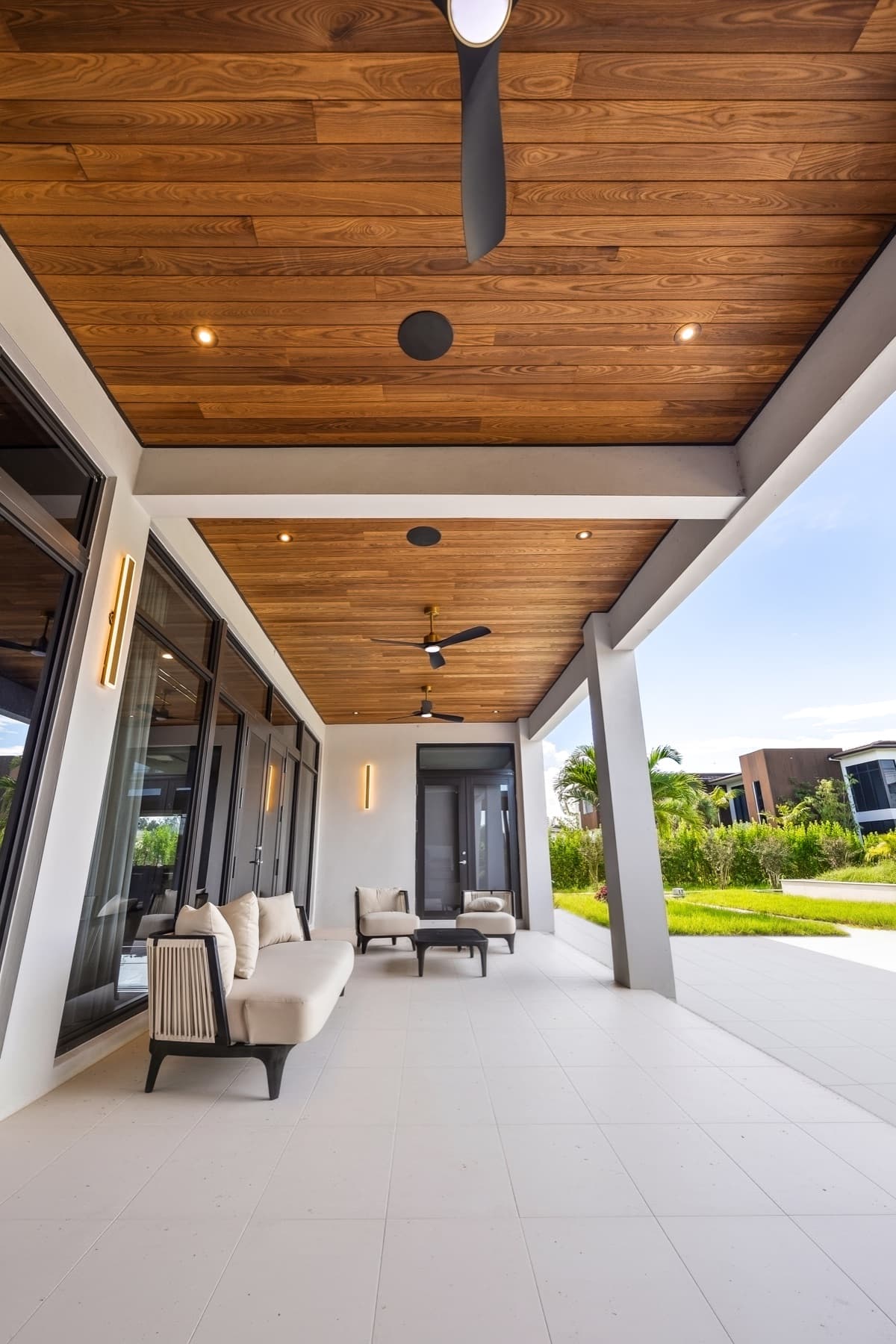
Understanding Your Porch Environment in Bozeman
Bozeman's climate presents specific challenges and opportunities for porch design. Winters can bring significant snow loads and freezing temperatures, while summers are typically warm and dry. These conditions necessitate materials that are dimensionally stable and resistant to moisture fluctuations.
Consider the exposure of your porch. Is it fully covered, or does it experience direct sun, wind, or precipitation? This will influence material choice, finish, and the need for robust fasteners. The elevation and orientation of your home can also affect how much sun and weather your porch receives.
Integrating Ventilation with Soffit Design
Proper attic and roof ventilation is critical, especially in a climate with temperature extremes. Soffits are a key component of a functional roof ventilation system, allowing air to enter the attic space. When planning your porch ceiling, it's essential to coordinate with your roof design to ensure continuous airflow.
Solid soffit panels are common, but if your roof design relies on soffit vents, ensure your chosen material can accommodate them without compromising structural integrity or aesthetic. Consult with a builder or architect to confirm the ventilation requirements for your specific roof structure. Some materials, such as our Scandinavian Thermally Modified Wood, can be installed in a way that allows for subtle airflow while maintaining a finished appearance.
For areas requiring active ventilation, pre-vented soffit panels or individual vent inserts can be integrated into solid ceiling and soffit materials. The objective is to prevent moisture buildup and regulate attic temperatures, which can extend the life of your roof and reduce energy costs.
Material Options for Porch Ceilings and Soffits
Lumber Plus offers several categories of wood and wood-composite products suitable for porch ceilings and soffits, each with distinct characteristics:
Thermally Modified Wood: Options like thermally modified Ayous or Ash offer enhanced stability and resistance to decay and insects. The thermal modification process makes the wood less prone to expansion and contraction with changes in humidity, which is beneficial in Bozeman's varying climate. These woods often feature a clean grain, suitable for contemporary or traditional aesthetics. They can be left natural to weather to a silver-gray patina or finished with a compatible exterior coating. See more at: /thermally-modified-wood
Maximo Accoya: This acetylated wood product offers exceptional dimensional stability and durability. It resists rot and insect attack, making it a robust choice for exterior applications. Accoya can be painted or stained to achieve a specific look.
Brazilian Hardwoods: Species such as Ipe, Cumaru, Garapa, Angelim, Jatoba, and Tigerwood are known for their natural density, strength, and resistance to decay. They offer a range of rich colors and grain patterns. Brazilian hardwoods are suitable for a premium finish and can be oiled to maintain their color or allowed to weather naturally. These materials are naturally heavy and require appropriate structural support.
NORX Composite: For a low-maintenance option, NORX composite panels provide a consistent appearance and are resistant to moisture, rot, and insects. They are available in various colors and finishes, offering a durable alternative to natural wood without the need for periodic sealing or staining. Explore NORX: /brands/versatex
Porch Proportions, Lighting, and Aesthetics
The size and scale of your porch will influence the ideal ceiling material and profile. For smaller porches, lighter-colored materials or narrower boards can make the space feel more open. For larger porches, wider boards or darker finishes can create a sense of grandeur and enclosure.
Integrated lighting is a practical and aesthetic consideration. Recessed lighting, surface-mounted fixtures, or even ceiling fans can be incorporated. Plan for electrical wiring during the framing stage. Ensure any light fixtures are rated for outdoor use and compatible with your chosen ceiling material's installation method and thickness.
Consider the overall architectural style of your home. A rustic log home might benefit from a natural wood finish, while a modern farmhouse could feature a clean, painted thermally modified wood ceiling. The finish of your porch ceiling can also complement or contrast with your home's siding, trim, and decking materials.
Worked Example: A Bozeman Porch Renovation
Imagine a Bozeman homeowner renovating an existing front porch measuring 12 feet wide by 8 feet deep. The existing porch has a flat ceiling and the roof structure above requires continuous soffit ventilation. The homeowner wants a durable, low-maintenance solution that complements their home's natural wood siding and dark trim.
After reviewing options, they decide on NORX composite ceiling panels in an Oxford Gray finish. This choice offers the desired aesthetic, aligns with their low-maintenance goal, and provides excellent weather resistance. They plan to install recessed LED lighting.
The porch ceiling area is 12 feet x 8 feet = 96 square feet. If using 1x6 NORX composite boards (which typically cover 5 inches per board once installed, accounting for the tongue-and-groove profile), they would need approximately 96 sq ft / (5/12 ft) = 230.4 linear feet of material. Since boards are sold in specific lengths (e.g., 12 ft or 16 ft), they would plan cuts to minimize waste. For a 12-foot width, 12-foot boards are ideal, requiring 8 feet / (5/12 ft) = 19.2 boards in length. They would purchase enough 12-foot boards to achieve the 20 effective board widths needed, plus a waste factor. The homeowner would also specify pre-vented soffit panels or integrate individual soffit vents into the NORX system to maintain attic airflow, coordinating with their roofer.
This approach balances aesthetic preference, material properties, and essential building requirements for the Bozeman climate.
Before you order
- Assess porch exposure to sun, wind, and precipitation.
- Verify roof ventilation requirements and integrate soffit design accordingly.
- Choose a material (Thermally Modified Wood, Maximo Accoya, Brazilian Hardwood, NORX Composite) based on durability, maintenance, and aesthetic goals.
- Consider the weight of the material and ensure adequate structural support.
- Plan for lighting and other electrical fixtures, ensuring outdoor ratings.
- Select a finish that complements your home's architectural style and other exterior elements.
- Confirm board dimensions and calculate quantity, including a waste factor.
- Consult local building codes and a professional for installation guidance.
Confirm installation details, approved uses and warranty terms in the current instructions for the exact product and profile. Your installer should verify the substrate, structure and applicable project requirements.
This is a planning guide for projects in Bozeman, MT. Ask our team to confirm availability, delivery to your ZIP code and which branch can support your order.
Questions to help you decide
What is the best material for a porch ceiling in Bozeman's climate?
The 'best' material depends on your priorities. Thermally modified wood and Maximo Accoya offer excellent dimensional stability and resistance to moisture and decay, making them highly suitable for Bozeman's varying temperatures. NORX composite is a low-maintenance option that resists moisture and insects. Brazilian hardwoods offer natural beauty and durability but require more robust structural support due to their density. All options should be considered in conjunction with your home's specific exposure and aesthetic goals.
How do I ensure proper ventilation with my porch ceiling and soffit materials?
If your roof system relies on soffit ventilation, you must ensure your chosen ceiling and soffit materials allow for continuous airflow into the attic space. This can be achieved through pre-vented soffit panels, incorporating individual vent inserts into solid panels, or by installing certain board profiles with deliberate spacing. It is crucial to consult a builder or roofer to confirm the specific ventilation requirements for your home's roof structure and ensure any new installation maintains or improves airflow.
Can I install lighting or a fan in my porch ceiling?
Yes, lighting and fans can be integrated into most porch ceilings. It's essential to plan for electrical wiring during the framing stage. Ensure all fixtures are rated for outdoor use and are compatible with the thickness and installation method of your chosen ceiling material. For heavier fixtures like ceiling fans, verify that the ceiling structure provides adequate support. Always follow manufacturer guidelines for installation and consult a qualified electrician.
Ready to Plan Your Bozeman Porch Ceiling Project?
Request a material quote today. Provide your project dimensions, desired profile, and ZIP code to confirm current availability and service options for your Bozeman home.
Request a material quote →