Why Ipe for a Courtyard Outdoor Room?
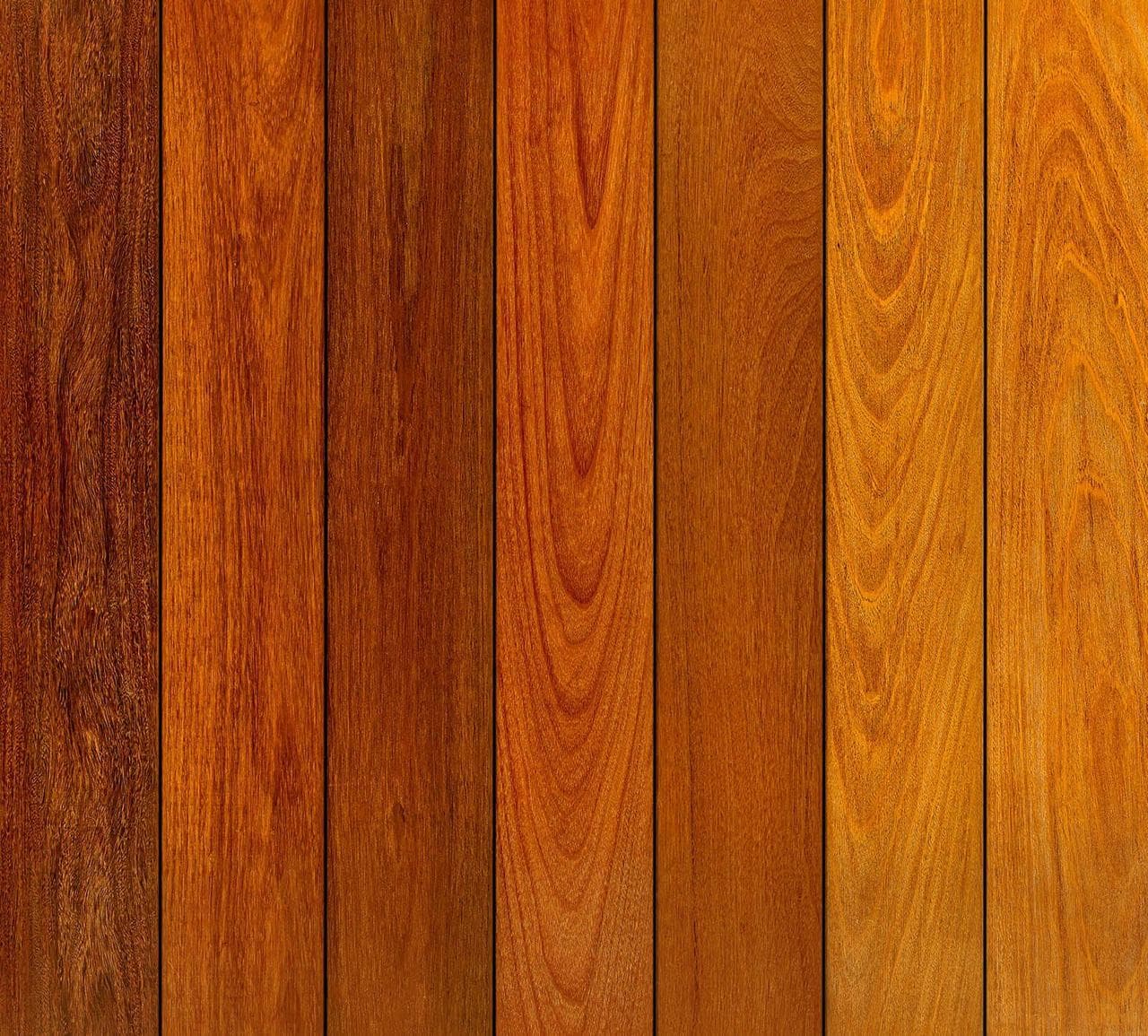
Ipe, also known as Brazilian walnut, is a dense hardwood recognized for its exceptional strength and natural resilience. Its reddish-brown to olive-brown tones can add a sophisticated touch to any outdoor setting, naturally complementing various architectural styles. For a courtyard, where the deck often becomes a focal point and experiences consistent use, Ipe's durability is a key advantage.
The wood's natural resistance to rot, insects, and mold means it can endure the elements with minimal chemical treatment, a valuable trait for an outdoor living space. While all outdoor materials require some maintenance, Ipe's inherent properties contribute to its longevity, allowing it to withstand exposure to moisture and temperature fluctuations.
Ipe's stability, with minimal movement post-installation, helps maintain the structural integrity and appearance of the deck over time, which is important for a contained space like a courtyard where precision in construction is often highlighted. This stability also contributes to a consistent walking surface, crucial for an area intended for frequent gathering and activity.
Ipe Decking Profiles and Dimensions
Ipe decking is available in a variety of profiles and sizes suitable for different design and installation preferences. Common profiles include square-edge boards, which are typically face-fastened, and grooved boards designed for hidden fastening systems. The choice between these often depends on the desired aesthetic and installation method.
Standard dimensions for Ipe decking can range from 1x2 inches up to 6x6 inches in various lengths, typically from 3 to 24 feet. For a courtyard outdoor room, common decking board widths like 1x4, 1x6, or 5/4x6 inches are frequently used. The actual dimensions of a 5/4x6 board, for example, might be closer to 1 inch thick by 5.5 inches wide, so it is important to confirm exact measurements when planning.
Selecting the right profile and dimensions impacts not only the appearance but also the installation process and the overall feel of the outdoor room. Longer boards can reduce the number of end-to-end seams, creating a more continuous look, while specific widths can influence the visual scale of the courtyard.
Designing for Bozeman's Climate: Winter and Moisture Management
Bozeman, MT, experiences distinct seasons, including cold winters with snow and periods of moisture. When planning an Ipe deck for a courtyard outdoor room in this climate, proper design for drainage and ventilation is essential. While Ipe is naturally resistant to weather changes, ensuring water does not pool on or under the deck is critical for any outdoor wood application.
A well-designed substructure that allows for adequate airflow beneath the deck helps prevent moisture buildup, which can be particularly important in a courtyard where surrounding structures might limit natural drying. Proper spacing between decking boards is also necessary to allow for drainage and minor expansion or contraction of the wood.
Consider the orientation of the courtyard and how sunlight and shade patterns will affect drying times after rain or snowmelt. Integrating a slight slope into the deck's substructure can further assist with water runoff, directing it away from the building foundation and ensuring the deck remains functional and durable through all seasons.
Maintenance and Appearance of Ipe in a Courtyard Setting
Ipe wood is often chosen for its low maintenance characteristics. If left untreated, Ipe will naturally weather to a soft, silvery-gray patina over time. Many homeowners appreciate this natural aging process, which enhances the wood's character while maintaining its structural integrity. This weathered look can blend seamlessly with natural stone or other rustic elements common in Bozeman landscapes.
For those who prefer to retain Ipe's original rich reddish-brown to olive-brown color, applying a UV-blocking sealer is recommended. This treatment helps protect the wood from the sun's rays, which can cause the color to fade. Regular cleaning to remove dirt, leaves, and other debris is also important to prevent buildup and maintain the deck's appearance.
The frequency of sealing and cleaning will depend on the courtyard's exposure to sun and moisture, as well as personal preference. Even with minimal treatment, Ipe's natural oils help protect it from cracking or warping, contributing to its long lifespan. Occasional cleaning with a compatible deck cleaner can refresh the surface and prepare it for reapplication of a sealer if desired.
Hypothetical Project Example: A 12x15 Foot Courtyard Deck in Bozeman
Consider a courtyard outdoor room project in Bozeman, MT, measuring 12 feet by 15 feet. The goal is a clean, linear appearance with minimal visible seams.
To cover a 12-foot width with 5.5-inch wide boards, you would need approximately 26 boards (12 feet * 12 inches/foot / 5.5 inches/board = 26.18 boards). For the 15-foot length, 26 boards would stretch across, and no cuts would be needed for the 12-foot length of the boards. The total lineal footage would be 26 boards * 12 feet/board = 312 lineal feet.
This calculation provides a baseline. Always add a waste factor (typically 10-15%) for cuts, mistakes, and optimizing board selection for appearance. For a 12x15 foot deck, the area is 180 square feet. With a 10% waste factor, you would plan for approximately 198 square feet of material. Given the density of Ipe, this translates to a significant material weight, which should be considered for delivery and on-site logistics. Coordinate with your installer for the exact quantity needed, accounting for specific layout preferences and any required cuts around pillars, planters, or other courtyard features.
Before you order
- Confirm desired Ipe decking profile (square-edge for face fastening or grooved for hidden fasteners).
- Determine preferred board dimensions (e.g., 1x4, 1x6, 5/4x6) and available lengths.
- Plan for proper deck substructure design, including drainage and ventilation, suitable for Bozeman's climate.
- Decide on the desired appearance: natural weathered silver-gray or maintained original color with UV-blocking sealer.
- Estimate material quantities, including a waste factor, and account for delivery logistics.
- Consider complementary materials for railings, pergolas, or other courtyard features that will integrate with Ipe.
Confirm installation details, approved uses and warranty terms in the current instructions for the exact product and profile. Your installer should verify the substrate, structure and applicable project requirements.
This is a planning guide for projects in Bozeman, MT. Ask our team to confirm availability, delivery to your ZIP code and which branch can support your order.
Questions to help you decide
How does Ipe decking handle Bozeman's winter weather?
Ipe is highly weather-resistant due to its natural oils and density, which help protect it from cracking or warping, even in freezing temperatures and snow. Proper installation with good drainage and ventilation is crucial to ensure longevity in a winter climate like Bozeman's.
What kind of maintenance does Ipe decking require in a courtyard?
Ipe is low maintenance. If you prefer the original reddish-brown color, apply a UV-blocking sealer periodically. Otherwise, Ipe will naturally weather to a silvery-gray. Regular cleaning to remove debris is recommended, regardless of whether a sealer is applied.
Can I install Ipe decking myself for a courtyard project?
While it is possible for experienced DIYers, Ipe's density often requires specialized tools and techniques for cutting and fastening. Professional installation is generally recommended to ensure the best results and proper handling of this hardwood.
Plan Your Ipe Courtyard Outdoor Room
Ready to transform your Bozeman courtyard with durable Ipe decking? Request a material quote with your project dimensions, desired Ipe profile, and ZIP code to confirm current availability and service options for your area.
Request a material quote →