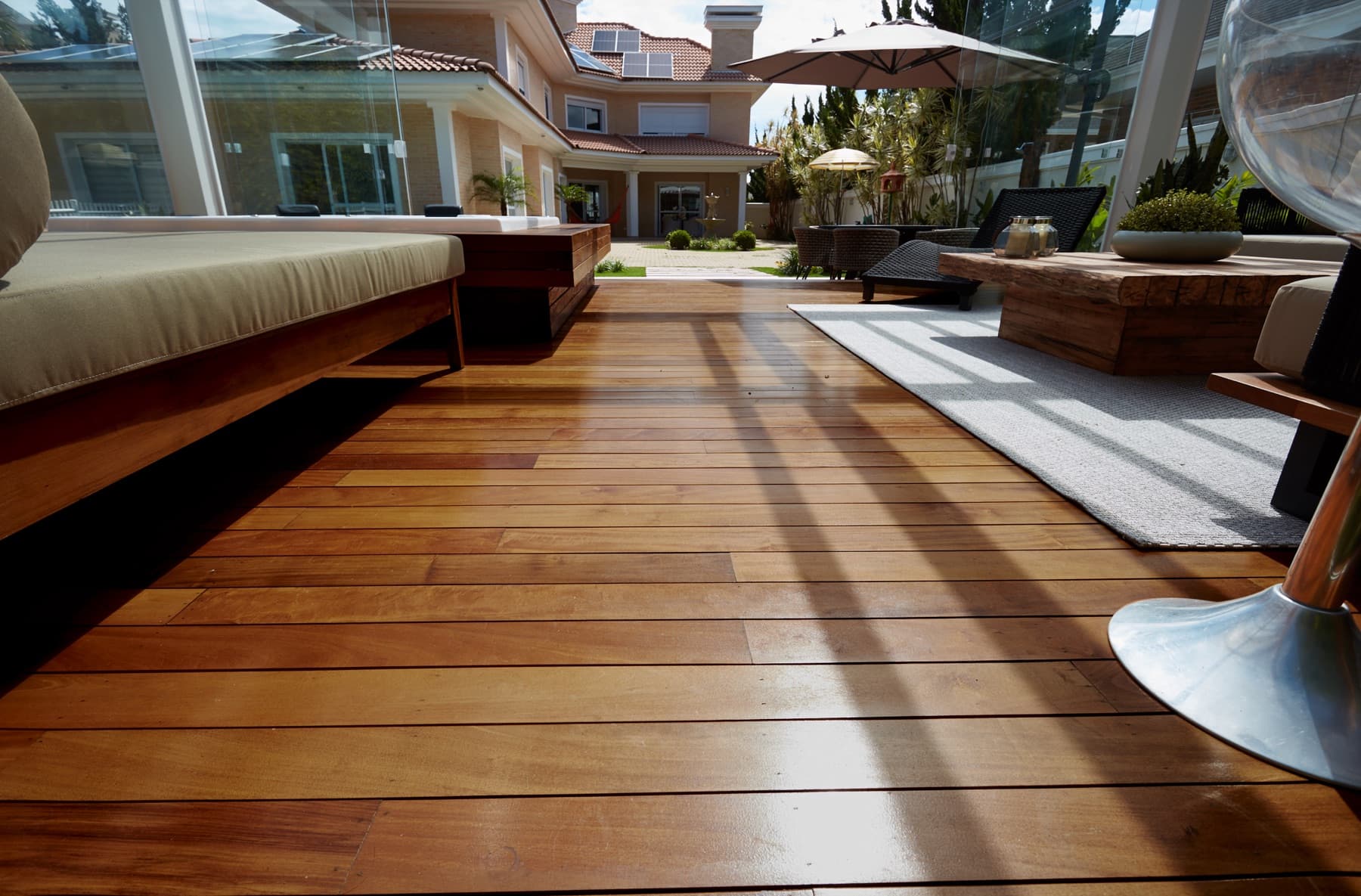
Assessing Your Existing Deck Frame for Hardwood Decking
A successful hardwood deck renovation begins beneath the surface. Before you even consider board profiles or wood species, inspect your existing deck frame for structural integrity. Hardwood decking, particularly dense species like Ipe and Cumaru, is heavier than many common decking materials. This added weight requires a robust and well-maintained substructure.
Check for any signs of rot, insect damage, or significant warping in joists, beams, and support posts. Pay close attention to connections and fasteners. Any compromised elements must be repaired or replaced to ensure the safety and longevity of your new hardwood deck. Consult a local structural engineer if you have any doubts about the frame's load-bearing capacity.
Understanding Hardwood Decking Requirements
Hardwood decking, especially species like Ipe and Cumaru, is known for its exceptional durability and resistance to various environmental factors. However, this strength comes with specific installation considerations. These dense woods require proper ventilation beneath the deck to prevent moisture buildup and ensure stability. Adequate spacing between deck boards is also crucial to allow for natural expansion and contraction.
Unlike some composite or PVC decking options, hardwood often necessitates specialized fastening systems due to its density. Hidden fasteners are popular for a clean aesthetic but require precise installation. Face-fastening, while visible, offers a very secure attachment. Always refer to the manufacturer's specific installation guidelines for your chosen hardwood species.
Ipe, also known as Brazilian walnut, is a benchmark hardwood known for its minimal movement post-installation and natural resistance to weather changes, mold, and termites. It ranges from reddish-brown to olive-brown. Cumaru is another durable tropical hardwood, resistant to termites and weather changes, offering stiffness, strength, and extreme hardness with a scent of cinnamon and vanilla when worked.
Both Ipe and Cumaru are considered marine-grade standards and perform well in challenging outdoor conditions, including those with significant weather exposure. While they can endure severe conditions, ensuring proper sub-structure and ventilation during installation is key to their long-term performance.
For specific availability of profiles and lengths, it is recommended to confirm with a supplier, as these can vary. General availability for Ipe includes 1x2 inch through 6x6 inch dimensions in lengths from 3 to 24 feet, in both air-dried (AD) and kiln-dried (KD) options.
Worked Example: Renovating a Deck with Ipe Decking
Consider a hypothetical deck renovation project in Bozeman, MT. The homeowner wants to replace worn-out softwood decking with durable Ipe. After inspection, the existing pressure-treated pine frame is deemed structurally sound, with no signs of rot or damage, and adequately supported.
The homeowner chooses 1x6 inch Ipe decking boards. For a 12-foot by 16-foot deck, the total area is 192 square feet. Assuming a standard board length of 16 feet to minimize waste (matching the deck's length), each 1x6 inch board (nominally 5.5 inches wide) covers approximately 7.33 square feet (5.5 inches / 12 inches * 16 feet).
To cover 192 square feet, approximately 26 boards (192 sq ft / 7.33 sq ft/board) would be needed. However, accounting for cuts, potential waste, and a few extra boards for future repairs, ordering 10-15% more is prudent. For this project, ordering 30-32 boards of 16-foot Ipe would be a practical approach. If the existing joist spacing is wider, additional blocking or joists may be required.
This example highlights the importance of precise measurements and accounting for waste, especially when working with premium materials like Ipe.
Considering the Bozeman Climate and Exposure
Bozeman, MT, experiences significant seasonal variations, including cold winters with snow and warm summers. When selecting hardwood decking, consider how the material will perform under these conditions. Both Ipe and Cumaru are highly resistant to weather changes, including moisture exposure, and their natural oils protect against cracking or warping. This makes them suitable for the climate.
For decks with winter exposure, it's important to consider proper drainage and snow load. While the hardwoods themselves are robust, ensure the underlying structure can handle heavy snow. If the deck receives intense sun exposure in summer, Ipe will naturally weather to a silvery-gray patina if left untreated. Applying a UV-blocking sealer can help preserve its original reddish-brown to olive-brown color. This choice is aesthetic; the structural integrity remains the same.
Proper ventilation is crucial year-round to prevent moisture accumulation beneath the deck, which can be exacerbated by snowmelt or heavy rains. Ensure that the deck design allows for adequate airflow to help the wood dry out naturally.
Maintenance and Longevity of Hardwood Decking
Hardwood decking, particularly Ipe and Cumaru, is prized for its long lifespan and relatively low maintenance compared to many other wood species. The natural density and oils in these woods provide inherent resistance to rot, insects, and mold, reducing the need for chemical treatments.
Basic maintenance involves an annual wash to remove dirt and debris. If you prefer to maintain the wood's original rich color, an annual application of a UV-blocking oil or sealer is recommended. If left untreated, the wood will gradually develop a silver-gray patina, which some homeowners find desirable. This natural weathering does not compromise the structural integrity of the deck.
For areas with high foot traffic or exposure to elements, more frequent cleaning or sealing might be considered. Always use cleaning products compatible with hardwood to avoid damage.
Before you order
- Assess the structural integrity of your existing deck frame: Check for rot, insect damage, warping, and fastener condition.
- Measure your deck dimensions accurately: Account for length, width, and any unique angles.
- Choose your hardwood species: Consider Ipe for benchmark durability and longevity, or Cumaru for similar strength with a distinct aroma.
- Determine board profile and lengths: Select dimensions that minimize waste and suit your aesthetic preferences.
- Plan for fastening: Decide between hidden fasteners for a clean look or face-fastening for maximum security.
- Consider ventilation: Ensure adequate airflow beneath the deck to manage moisture in Bozeman's climate.
- Factor in maintenance preferences: Decide if you will oil annually to preserve color or allow the wood to patina naturally.
- Calculate material quantities: Order 10-15% extra for cuts and future needs.
- Confirm local availability and delivery options for your chosen hardwood.
Confirm installation details, approved uses and warranty terms in the current instructions for the exact product and profile. Your installer should verify the substrate, structure and applicable project requirements.
This is a planning guide for projects in Bozeman, MT. Ask our team to confirm availability, delivery to your ZIP code and which branch can support your order.
Questions to help you decide
Can I use my existing deck frame for hardwood decking?
You can, provided the existing frame is in excellent structural condition, free from rot or damage, and its joist spacing meets the requirements for the dense hardwood you choose. Hardwood is heavier, so the frame must be robust. A professional inspection is recommended.
How do Ipe and Cumaru hardwoods handle Bozeman's winter weather?
Both Ipe and Cumaru are highly resistant to extreme weather, including cold temperatures, snow, and moisture. Their natural density and oils help prevent cracking and warping. Proper deck ventilation is still crucial to manage moisture from snowmelt.
What maintenance is required for hardwood decking in a renovation?
Annual cleaning with a compatible product is generally sufficient. To retain the wood's original color, apply a UV-blocking oil or sealer annually. If left untreated, the wood will naturally weather to a silvery-gray patina without compromising its structural integrity.
Request a Material Quote for Your Hardwood Deck Renovation
Ready to upgrade your deck in Bozeman, MT? Provide your project dimensions, desired hardwood profile, and ZIP code to request a material quote. We will confirm current availability and service options for your renovation.
Request a material quote →