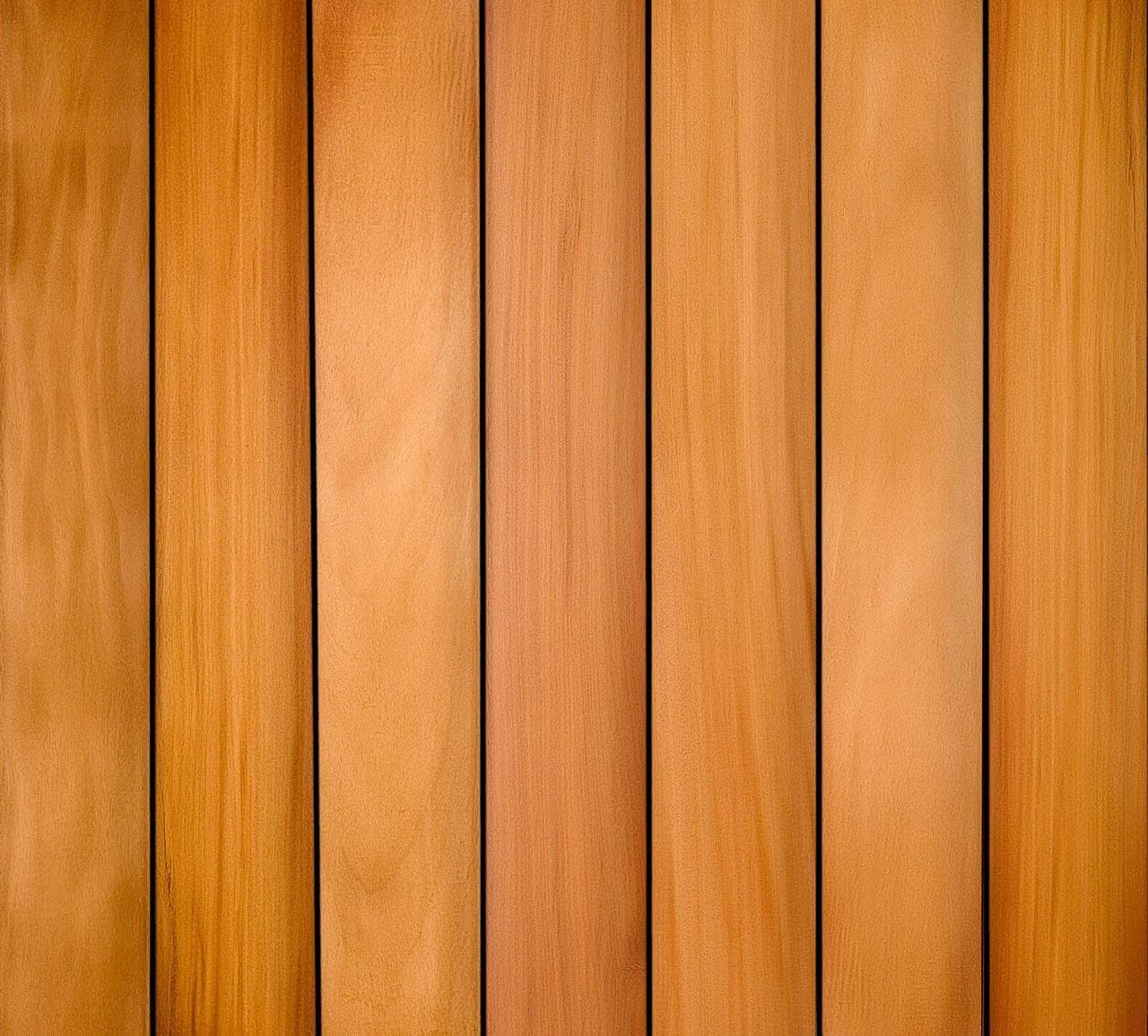
Understanding Garapa Hardwood for Terraces
Garapa is a dense hardwood, often referred to as Brazilian Ash, characterized by its consistent golden color. This natural hue can complement a variety of architectural styles, from modern to rustic, without the need for immediate staining. Its inherent qualities make it suitable for outdoor applications where exposure to elements is a factor.
One of Garapa's notable characteristics is its natural resistance to rot, decay, and insects. This means it does not require constant chemical treatments to maintain its integrity, which can be a consideration for homeowners seeking lower maintenance options. Its air dry density is approximately 4.11 lbs/bf.
When planning a terrace in a location like Bozeman, where seasonal changes can be significant, selecting materials that can adapt to varying conditions is important. Garapa's resistance to weather changes contributes to its suitability for such environments. It is also described as scratch and slip resistant, with minimal splintering, which are practical benefits for a frequently used outdoor living space.
Available Garapa Decking Profiles
Garapa decking is typically available in specific profiles that dictate its dimensions and fastening options. The most common profile for decking applications is 5/4"x6", which translates to an actual dimension of 1" x 5.5". This size is a standard for many decking projects, offering a balance of structural integrity and aesthetic proportion.
Some suppliers may offer a grooved option for the 5/4"x6" profile, which is designed to be compatible with hidden fastening systems. Hidden fasteners can contribute to a cleaner, more contemporary look for the deck surface, as they are installed into the side grooves of the boards, leaving the top surface free of visible screws. For projects where a traditional appearance is preferred, face-fastening with screws is also an option.
Garapa decking boards are available in a range of lengths, typically from 3 to 24 feet. This variety allows for efficient planning of board layouts, minimizing waste and reducing the number of butt joints required. When designing your terrace, consider how these available lengths can be best utilized to create a cohesive and visually appealing surface.
Designing a Terrace with Garapa Decking: A Hypothetical Example
Consider a hypothetical Bozeman home with an existing concrete patio measuring 16 feet by 12 feet, which the homeowner wishes to convert into a raised Garapa terrace to match the height of an adjacent sliding glass door. The terrace will feature a straight board layout, running parallel to the house.
For this 16 ft x 12 ft terrace (192 sq ft), using 5/4"x6" (actual 1"x5.5") Garapa boards requires careful calculation. If boards are laid parallel to the 16-foot side, each 16-foot board covers 5.5 inches in width. To cover the 12-foot (144-inch) width of the terrace, approximately 144 inches / 5.5 inches per board = 26.18 boards would be needed. This means 27 full 16-foot boards would be purchased, accounting for cuts and potential waste. If a grooved profile is chosen, hidden fasteners compatible with that specific groove must be selected.
For framing, a substructure of pressure-treated lumber or steel would be installed over the concrete, ensuring proper drainage and ventilation underneath the decking. The Garapa boards would then be fastened to this substructure. The golden tone of the Garapa would be allowed to naturally weather over time, or a UV-inhibiting oil could be applied to help maintain its original color. This example highlights the need to consider both the decking material and its supporting structure in tandem.
Planning for Bozeman's Climate and Terrace Exposure
Bozeman's climate presents specific considerations for outdoor construction, including cold winters, freeze-thaw cycles, and varying sun exposure. While Garapa is resistant to weather changes, proper installation and ventilation are crucial to ensure its longevity in this environment.
Adequate ventilation beneath the terrace is essential to prevent moisture buildup, which can lead to issues like warping or decay in any wood product. For raised terraces, ensuring airflow on all sides or incorporating vents into the design can help mitigate these risks. This is particularly important where snow accumulation may occur, as melting snow can introduce prolonged moisture.
Sun exposure also plays a role in the appearance of Garapa. Like all natural wood, Garapa will undergo a natural weathering process when exposed to UV light. It may gradually change from its golden tone to a silvery-gray patina. Homeowners can choose to embrace this natural aging or apply a suitable UV-inhibiting deck oil annually to help preserve the original color. Consider the terrace's specific sun exposure when deciding on a maintenance approach.
Ordering Garapa Decking: What to Include in Your Quote Request
To receive an accurate quote for Garapa decking for your Bozeman terrace project, providing detailed information is key. Start with the exact dimensions of your terrace, including length and width. This allows for precise material quantity calculations.
Also, indicate any specific length preferences if your design benefits from particular board lengths to minimize waste or optimize the layout.
Finally, provide your project's ZIP code. This is essential for calculating delivery options and ensuring the quote reflects any logistical considerations for your location. A comprehensive quote request helps ensure you receive all necessary materials for your project efficiently.
Before you order
- Confirm the exact dimensions (length and width) of your terrace area.
- Decide on the desired Garapa decking profile (e.g., 5/4"x6" smooth or grooved).
- Determine your preferred fastening method (hidden or face-fastened) and ensure it aligns with the chosen board profile.
- Consider the aesthetic impact of natural weathering versus applying a UV-inhibiting oil.
- Plan for adequate ventilation beneath the terrace, especially in areas prone to snow and moisture.
- Verify the substructure requirements for your terrace design to support the Garapa decking.
- Gather your project's ZIP code for accurate material quoting and delivery estimates.
Confirm installation details, approved uses and warranty terms in the current instructions for the exact product and profile. Your installer should verify the substrate, structure and applicable project requirements.
This is a planning guide for projects in Bozeman, MT. Ask our team to confirm availability, delivery to your ZIP code and which branch can support your order.
Questions to help you decide
How long does Garapa decking typically last?
It offers natural resistance to rot, decay, and insects, contributing to its longevity.
Does Garapa decking require special treatments?
Garapa has natural resistance to rot, decay, and insects, meaning it does not require constant chemical treatments for preservation. However, to maintain its original golden color, a UV-inhibiting deck oil can be applied annually. Without such treatment, the wood will naturally weather to a silvery-gray patina.
What profiles are available for Garapa decking?
Garapa decking is commonly available in a 5/4"x6" profile, with actual dimensions of 1" x 5.5". Some options may include a grooved edge for use with hidden fastening systems, while smooth-edged boards are suitable for face-fastening.
Ready to Plan Your Garapa Terrace?
Request a material quote with your project dimensions, exact profile, and ZIP code to confirm current availability and service options for your Bozeman terrace project. Visit our contact page to get started.
Request a material quote →