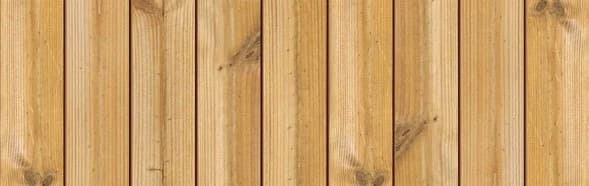
Understanding Scandinavian Thermally Modified Wood
Scandinavian Thermally Modified Wood is crafted from a selection of Nordic softwoods that undergo a chemical-free modification process using controlled heat and steam. This process enhances the wood's dimensional stability, making it less prone to expansion and contraction compared to untreated wood. The thermal modification also imparts a warm, consistent color throughout the wood, highlighting its expressive Nordic grain.
The benefits of this modification include natural character and suitability for both interior and exterior applications, such as walls, ceilings, soffits, and selected decking. These profiles offer versatility in design for various architectural surfaces.
While the thermal modification process improves stability, it does not eliminate all movement. All wood materials, even those that are thermally modified, will still experience some degree of movement, particularly when exposed to the fluctuating temperatures and moisture conditions inherent in exterior applications. Planning for this movement is especially critical on sun-exposed elevations.
Solar Exposure and Appearance Changes
Direct and prolonged sun exposure, particularly UV radiation, will cause Scandinavian Thermally Modified Wood to undergo a natural weathering process. This typically results in the wood developing a silvery-gray patina over time. The rate and uniformity of this color change can vary depending on the intensity of sunlight, local climate conditions, and the orientation of the elevation.
On sun-exposed facades, areas receiving more direct UV light will tend to weather more quickly and uniformly than shaded areas or north-facing elevations. This can lead to variations in color across different parts of a building's exterior. If a consistent, original wood tone is desired, regular application of a UV-protective finish is necessary. Without such a finish, the natural graying process should be anticipated as part of the material's aesthetic evolution.
Thermal Movement and Installation Practices
Despite its enhanced dimensional stability from thermal modification, Scandinavian Thermally Modified Wood will still expand and contract with changes in temperature and humidity, particularly on sun-exposed elevations where surface temperatures can fluctuate significantly. Proper installation techniques are vital to accommodate this movement and prevent issues such as warping, cupping, or buckling.
It is crucial to follow manufacturer guidelines for fastening and spacing. Generally, this involves leaving appropriate gaps between boards and at ends to allow for expansion. Fasteners should be chosen to allow for slight movement while securely holding the boards in place. For rainscreen applications, ensuring proper ventilation behind the cladding further helps manage moisture and temperature fluctuations, contributing to overall stability.
Finishing Options for Sun-Exposed Facades
Scandinavian Thermally Modified Wood can be left unfinished to achieve a natural, weathered gray appearance, or it can be finished to maintain its initial warm Nordic tone. For sun-exposed elevations, selecting the right finish is paramount.
Clear, UV-protective oils or stains are recommended if preserving the original color is a priority. These finishes help to slow down the graying process and offer some protection against moisture. It's important to understand that even with a UV-protective finish, some color change will occur over time, and regular reapplication will be necessary. The frequency of reapplication will depend on the product type, local climate severity, and the intensity of sun exposure.
Pigmented finishes can offer greater UV resistance and color retention compared to clear finishes. Darker pigments, however, can absorb more solar radiation, potentially leading to higher surface temperatures and increased thermal movement. This trade-off should be considered in design and installation.
Worked Example: South-Facing Wall Cladding
Consider a hypothetical south-facing facade on a single-story commercial building, measuring 30 feet wide by 10 feet high. This elevation receives intense, direct sunlight for much of the day. The goal is to minimize visible movement and manage color change over time.
2. **Coverage Calculation:** The wall area is 30 ft * 10 ft = 300 square feet. With a board coverage of 5 inches (0.4167 feet), each linear foot covers 0.4167 sq ft. Total linear feet needed (area equivalent) = 300 sq ft / 0.4167 ft = 720 linear feet. Given standard board lengths, a typical project would order a percentage more for cuts and waste.
3. **Movement Planning:** For a 30-foot-wide elevation, the total accumulated expansion and contraction across the boards needs to be accommodated. If boards are fastened securely at regular intervals, this gap allows for individual board movement. This requires careful detailing at corners and transitions.
4. **Finish Strategy:** To slow down the natural graying on this high-exposure facade, a UV-inhibiting oil finish is specified. The maintenance plan includes annual inspection and reapplication of the finish every 2-3 years, or as recommended by the finish manufacturer, to maintain color consistency. Without this, a uniform gray patina would be expected within 1-2 years.
This example highlights the need to account for both the aesthetic evolution and the physical movement of the wood on highly exposed surfaces, integrating these considerations into both material specification and installation details.
Complementary Products for Facade Systems
A complete facade system using Scandinavian Thermally Modified Wood often involves more than just the cladding itself. Consider these complementary products to ensure a durable and high-performing exterior:
**Siding and Cladding Accessories:** This category includes trim, corner pieces, and starter strips that are essential for a finished installation. Selecting accessories made from compatible materials or designed to work with thermally modified wood is important.
**Thermally Modified Wood (General):** Explore the broader range of thermally modified wood products to understand other species or profiles that might offer different aesthetics or performance characteristics, especially for other parts of the building.
**NORX Branded Products:** NORX often supplies high-quality building materials. Confirm if specific fastening systems, rainscreen components, or finishes from NORX are recommended or compatible with Scandinavian Thermally Modified Wood.
**Maximo Accoya:** For projects requiring extreme dimensional stability and durability, especially in very challenging environments or for specific architectural details, Maximo Accoya offers an alternative. While different from thermally modified wood, its properties can serve as a benchmark for comparison when evaluating performance needs.
Before you order
- Identify the orientation of the elevation: South/West-facing facades will experience more intense sun.
- Decide on desired appearance: Natural graying vs. maintaining original wood tone.
- If maintaining original tone, select a high-quality UV-protective finish and plan for regular reapplication.
- Review manufacturer's installation guidelines for fastener type, spacing, and required expansion gaps for exterior use.
- Consider the overall wall assembly: Is a rainscreen system appropriate for ventilation and moisture management?
- Plan for detailing at corners, windows, and doors to accommodate thermal movement.
- Factor in potential color variations between highly exposed and shaded areas of the facade.
- Request material samples to observe the natural color and potential for weathering.
Confirm installation details, approved uses and warranty terms in the current instructions for the exact product and profile. Your installer should verify the substrate, structure and applicable project requirements.
Questions to help you decide
Will Scandinavian Thermally Modified Wood warp or crack in direct sunlight?
While Scandinavian Thermally Modified Wood has enhanced dimensional stability compared to untreated wood, it is still a natural material. Direct sunlight can cause surface temperature fluctuations that lead to some movement. Proper installation with recommended spacing and fasteners is crucial to accommodate this movement and minimize the risk of warping or cracking. Leaving appropriate gaps between boards and at ends allows for expansion and contraction.
How quickly will Scandinavian Thermally Modified Wood change color in the sun?
On sun-exposed elevations, Scandinavian Thermally Modified Wood will naturally begin to weather and develop a silvery-gray patina. The speed of this change depends on factors like the intensity of UV radiation, local climate, and elevation orientation. Without a UV-protective finish, a noticeable graying typically begins within months and can develop into a more uniform patina within 1-2 years. Applying a UV-inhibiting finish can significantly slow this process, but regular reapplication is necessary.
Do I need a special finish for sun-exposed Scandinavian Thermally Modified Wood?
If you wish to preserve the original warm tone of Scandinavian Thermally Modified Wood on sun-exposed elevations, a high-quality, UV-protective oil or stain is recommended. These finishes help protect the wood from UV degradation and moisture. If you prefer the natural silvery-gray patina, no finish is required, but be aware that the color change will be part of the material's aesthetic evolution.
Plan Your Sun-Exposed Facade with Scandinavian Thermally Modified Wood
Ready to specify Scandinavian Thermally Modified Wood for your project? Request a material quote with your project dimensions, exact profile, and ZIP code. We can help confirm current availability and service options for your location.
Request a material quote →