Understanding Scandinavian Thermally Modified Wood
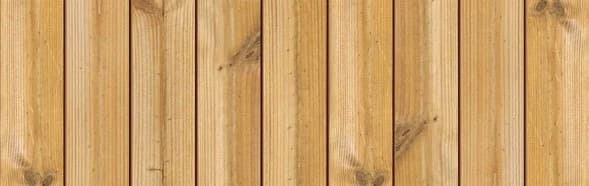
Scandinavian thermally modified wood is derived from a selection of Nordic softwoods, treated with heat and steam to improve its stability and consistency. This process results in a material that maintains the natural character of the wood, showcasing expressive grain and a warm color. It is a versatile choice for architectural surfaces, including walls, ceilings, soffits, and certain decking applications.
Each profile offers a distinct appearance and application suitability, which can influence installation methods and, consequently, labor costs.
The material's chemical-free modification is a key benefit, making it a consideration for projects where environmental impact is a concern. Its suitability for both interior and exterior use allows for design continuity across different areas of a property.
Material Quantity Takeoff: A Worked Example
Accurately calculating the required material quantity is the foundation of your budget. Let's consider a hypothetical exterior accent wall project measuring 12 feet long by 8 feet high, using Scandinavian thermally modified wood with a V-Joint profile, nominal size 1x6.
First, calculate the total surface area: 12 feet (length) * 8 feet (height) = 96 square feet. The nominal size of the board is 1x6. Assuming a standard 1x6 board has a net coverage of approximately 5.125 inches (due to the V-joint profile and overlap), we convert this to feet: 5.125 inches / 12 inches/foot = 0.427 feet. Each linear foot of board covers 0.427 square feet.
To cover 96 square feet, you would need 96 sq ft / 0.427 sq ft/linear foot = 224.82 linear feet. Since boards are typically sold in specific lengths (e.g., 8, 10, 12, 16 feet), you must round up. If using 12-foot boards, you would need 224.82 linear feet / 12 feet/board = 18.74 boards. Rounding up, you would purchase 19 boards. It's prudent to add a waste factor, typically 10-15% for cuts, mistakes, and future repairs. For this project, an additional 15% would be 19 boards * 0.15 = 2.85 boards, rounded up to 3 boards. Total boards needed: 19 + 3 = 22 boards.
Remember, this is an area-equivalent calculation. Always consult specific product specifications for exact net coverage and plan for cuts, especially around windows, doors, or complex architectural features.
Essential Accessories and Fasteners
Beyond the wood itself, your project will require various accessories. For a typical siding installation, this includes furring strips or a rainscreen system to create an air gap behind the cladding. These components are critical for proper drainage and ventilation, contributing to the longevity of the installation.
Fasteners are another key cost. Depending on the profile and application, you might use stainless steel screws, clips, or nails. Hidden fastener systems, while often preferred for a clean aesthetic, can be more expensive than face-fastening options. Ensure fasteners are compatible with thermally modified wood and appropriate for the exposure conditions.
Other accessories might include trim pieces for corners, windows, and doors, as well as any specialized sealants or flashing required for a weather-tight envelope. Do not overlook these smaller items, as their cumulative cost can be significant.
Finishes, Sealants, and Maintenance Products
While Scandinavian thermally modified wood is enhanced for stability, it will naturally weather to a silver-gray patina if left untreated outdoors. If you wish to maintain its warm, natural color, a UV-protective finish or stain will be necessary. These products need to be reapplied periodically, representing an ongoing maintenance cost.
For exterior applications, consider specific exterior-grade oils or stains designed for thermally modified wood. For interior applications, a clear sealant or light finish might be desired to protect the surface and enhance its appearance. Always choose products compatible with thermally modified wood to ensure proper adhesion and performance. Factor in the cost of application tools such as brushes, rollers, or sprayers.
Labor and Installation Costs
Labor is often the largest component of a project budget. Installation costs for Scandinavian thermally modified wood can vary significantly based on the complexity of the design, the chosen profile, and local labor rates.
Obtain detailed quotes from qualified contractors. Ensure their bids include not only the installation of the wood but also any necessary prep work, such as framing adjustments, rainscreen installation, or trim work. Clarify whether waste removal and site cleanup are part of their service. Consider if specialized equipment, like scaffolding for high elevations, will be needed, as this can add to labor costs or be a separate rental expense.
For DIY projects, while you save on labor, you must account for tool rentals (miter saws, nail guns, compressors) and the value of your own time. Mistakes made during DIY installation can also lead to additional material purchases.
Contingency Planning
Even with meticulous planning, unexpected issues can arise. A contingency fund, typically 10-15% of the total project cost, is crucial. This buffer can cover unforeseen material damage, minor design changes, or unexpected complexities during installation.
Examples of situations a contingency fund might address include discovering unforeseen structural issues behind an existing wall, needing extra material due to a miscut, or an unexpected increase in the cost of a specific accessory. Having a contingency budget prevents your project from being stalled or compromised by minor setbacks.
Before you order
- Have I calculated the total square footage, accounting for all surfaces?
- Have I added a waste factor (10-15%) to my material quantity?
- Which specific profile (e.g., V-Joint, Fluted #5, S4S E4E) have I chosen, and how does it affect net coverage?
- What type of fasteners are required, and have I accounted for their quantity and cost?
- Will I need furring strips, a rainscreen system, or other substructure components?
- Are there specific trim pieces, sealants, or flashing required for the project's details?
- Do I plan to apply a finish or stain to the wood, and have I budgeted for the product and application tools?
- Have I obtained multiple quotes from contractors, detailing their scope of work and labor costs?
- If DIY, have I budgeted for tool rentals and factored in potential material waste from inexperience?
- Have I included a contingency fund (10-15%) for unexpected costs?
Confirm installation details, approved uses and warranty terms in the current instructions for the exact product and profile. Your installer should verify the substrate, structure and applicable project requirements.
Questions to help you decide
Does Scandinavian thermally modified wood require a special type of fastener?
Yes, it is generally recommended to use corrosion-resistant fasteners, such as stainless steel screws or nails, especially for exterior applications. The choice of fastener also depends on the specific profile of the wood and the desired aesthetic (e.g., hidden fasteners for a cleaner look versus face-fastened). Always check manufacturer guidelines for compatible fasteners.
Can I install Scandinavian thermally modified wood myself, or do I need a professional?
While experienced DIYers might undertake smaller, simpler projects, professional installation is often recommended, especially for larger or more complex applications like exterior facades or intricate interior designs. Professionals have the tools, experience, and knowledge of best practices for thermally modified wood, which can prevent costly mistakes and ensure a durable, aesthetically pleasing result. Consider the specific profile chosen, as some, like the Fluted #5, require precise alignment.
How do I account for shipping costs in my budget?
Shipping costs for lumber can vary significantly based on the quantity ordered, your location, and the current fuel prices. It's important to request a detailed quote that includes delivery charges to your project site. Some suppliers may offer discounted or free delivery for larger orders, so inquire about these possibilities. Also, consider any special offloading requirements at your site that might incur additional charges.
Ready to Plan Your Scandinavian Thermally Modified Wood Project?
Request a material quote with your project dimensions, exact profile, and ZIP code to confirm current availability and service options. Our team can help you identify the specific quantities needed for your vision.
Request a material quote →