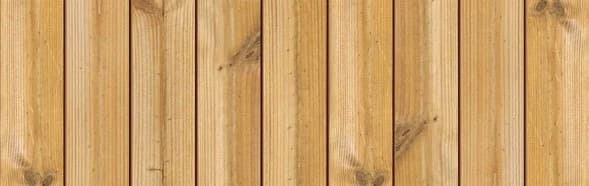
Understanding Scandinavian Thermally Modified Wood's Natural Tone
Scandinavian Thermally Modified Wood, derived from a selection of Nordic softwoods, has a distinct natural character. The thermal modification process, which uses controlled heat and steam, enhances the wood's dimensional stability without introducing chemical preservatives. This process also imparts a warm, inviting tone to the wood, often described as a rich, honey-brown or light caramel color.
The visible grain of Nordic softwoods remains a prominent feature, offering an expressive surface that contributes to a natural architectural aesthetic. This inherent warmth makes it a versatile choice for a range of applications, from interior feature walls to exterior facades and soffits. Understanding this base tone is the first step in any color and finish decision.
The initial appearance of Scandinavian Thermally Modified Wood can be seen in its natural, unfinished state. This serves as the benchmark against which all other finishes will be compared.
The Effect of Natural Weathering and UV Exposure
Like most natural wood products exposed to the elements, Scandinavian Thermally Modified Wood will undergo a process of natural weathering when left unfinished outdoors. Prolonged exposure to ultraviolet (UV) light, rain, and environmental factors will cause the wood to gradually lighten and develop a silvery-gray patina over time. This process is a natural characteristic of wood and is often desired for certain architectural styles, especially those seeking a weathered, coastal, or rustic aesthetic.
The rate and uniformity of this graying depend on several factors, including the intensity of sun exposure, precipitation, and the specific orientation of the wall or surface. Areas with less direct sunlight or more shelter may gray more slowly or unevenly. If a consistent gray patina is desired, it's important to understand that this is a gradual process.
For projects where maintaining the initial warm tone is crucial, or where uneven weathering is a concern, a protective finish will be necessary. This finish will act as a barrier against UV degradation and moisture, preserving the wood's original color for longer.
Choosing Transparent and Semi-Transparent Stains
To preserve or alter the color of Scandinavian Thermally Modified Wood, transparent or semi-transparent stains are often used. These finishes allow the natural grain and texture of the wood to remain visible while adding a layer of color or enhancing its existing tone.
Transparent stains typically contain UV inhibitors that help slow down the graying process, allowing the natural honey-brown color to persist for longer. They offer minimal color change, primarily serving to protect. Semi-transparent stains, on the other hand, introduce a subtle tint. These can be used to deepen the wood's natural warmth, shift it towards a richer brown, or even introduce cooler undertones while still showcasing the wood's character.
When selecting a stain, consider the overall architectural design and the desired mood. A warmer, richer stain can create a cozy, inviting atmosphere, while a lighter, more muted stain might suit a minimalist or contemporary aesthetic. Always test stain samples on actual pieces of Scandinavian Thermally Modified Wood, as the wood's natural color will influence the final appearance of the stain.
Using Opaque Finishes and Paints
For projects requiring a complete color transformation or maximum protection, opaque finishes and paints can be applied. These coatings completely cover the wood's natural grain and color, providing a solid, uniform appearance. While this approach sacrifices the visible wood grain, it offers the broadest range of color options and can provide robust protection against weathering.
Opaque finishes are suitable for situations where the aesthetic goal is a specific color that is not achievable with transparent or semi-transparent stains. They are also a good choice for high-exposure areas where maximum durability and color retention are priorities. However, it's important to note that opaque finishes require careful surface preparation and may show wear more readily than transparent options, potentially necessitating more frequent maintenance.
When choosing an opaque finish, consider the long-term maintenance implications. Darker colors may absorb more heat, which can be a factor in some climates or applications. Lighter colors can help reflect heat and may be preferred for facades in sunny exposures.
The Impact of Lighting on Wood Appearance: A Worked Example
The appearance of Scandinavian Thermally Modified Wood, particularly its color and finish, is significantly influenced by lighting conditions. What looks one way under direct sunlight can appear different in shade, under artificial light, or at different times of day. This dynamic interaction is crucial to consider during the selection process.
Consider a hypothetical residential facade measuring 20 feet wide by 10 feet high, clad with Scandinavian Thermally Modified Wood in a V-Joint profile. The homeowner is considering two options: an unfinished natural look and a semi-transparent 'Warm Cedar' stain. The facade faces west, receiving intense afternoon sun.
In the morning, the natural wood would appear in its warm, honey-brown state, possibly slightly muted by ambient light. As the sun moves to the west, the direct afternoon light would intensify the warm tones of the natural wood, making it appear brighter and potentially more orange. In contrast, the 'Warm Cedar' stained wood would maintain a deeper, richer red-brown hue throughout the day, with the direct sunlight enhancing its saturation rather than significantly altering its base color. In shaded areas, both options would appear darker and less vibrant, but the stained wood would retain its distinct color profile more strongly than the naturally graying wood.
To accurately assess the final look, it is highly recommended to obtain physical samples of Scandinavian Thermally Modified Wood, both unfinished and with your preferred stain options. Place these samples on the actual project site, observing them at different times of day and under various weather conditions (e.g., sunny, overcast). Take photos throughout the day to document how the light changes the appearance. This real-world evaluation is far more effective than relying solely on catalog images or small swatches viewed indoors.
Before you order
- What is the desired long-term aesthetic: natural graying or consistent color?
- Will the wood be exposed to direct sunlight, and if so, for how long each day?
- Are there specific architectural guidelines or homeowner association rules regarding exterior finishes?
- What is the overall color palette of the surrounding materials (e.g., roofing, trim, stone)?
- What level of maintenance is acceptable for the chosen finish?
- Have physical samples been viewed on-site under various lighting conditions?
- Is a transparent, semi-transparent, or opaque finish preferred?
- What are the local climate considerations (e.g., intense sun, frequent rain)?
- Will the wood be used for interior or exterior applications, or both?
- What profile of Scandinavian Thermally Modified Wood is being used (e.g., V-Joint, Fluted #5, S4S E4E)?
Confirm installation details, approved uses and warranty terms in the current instructions for the exact product and profile. Your installer should verify the substrate, structure and applicable project requirements.
Questions to help you decide
Does the thermal modification process affect the wood's ability to accept stains?
The thermal modification process changes the wood's cellular structure, which can sometimes alter how it absorbs stains compared to untreated wood. Generally, thermally modified wood can still be stained effectively, but it's crucial to use products specifically formulated for exterior wood or to perform a patch test on a sample piece to ensure proper absorption and desired color.
How often do I need to reapply a finish to Scandinavian Thermally Modified Wood?
The reapplication frequency for finishes depends on several factors: the type of finish (transparent, semi-transparent, opaque), the level of UV exposure, and local climate conditions. Transparent finishes with UV inhibitors might need reapplication every 1-3 years, while semi-transparent stains could last 2-5 years. Opaque paints or solid stains might offer longer protection, potentially 5-10 years, but will eventually require maintenance. Always consult the finish manufacturer's recommendations.
Can I paint Scandinavian Thermally Modified Wood?
Yes, Scandinavian Thermally Modified Wood can be painted. Painting provides an opaque, solid color finish that completely covers the wood grain. When painting, ensure the wood surface is clean, dry, and properly prepared.
Ready to Select Your Scandinavian Thermally Modified Wood?
Request a material quote with your project dimensions, exact profile, and ZIP code to confirm current availability and service options. Explore our full range of Scandinavian Thermally Modified Wood products and complementary siding and cladding options.
Request a material quote →