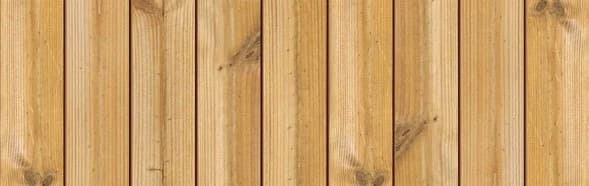
Understanding Scandinavian Thermally Modified Wood
Scandinavian Thermally Modified Wood is a Nordic softwood selection that undergoes a heat and steam treatment process. This modification enhances its dimensional stability without the use of chemical preservatives, making it suitable for a range of applications from interior walls and ceilings to exterior facades and selected decking. It features an expressive Nordic grain, offering a warm, natural character.
The thermal modification process changes the wood's cellular structure, which can influence how it responds to environmental factors over time. While the material is designed for durability, its appearance will evolve, and routine care helps manage this process.
Initial Cleaning and Preparation
Upon installation, or shortly after, a light cleaning is often recommended. Dust, fingerprints, and minor construction debris can accumulate. Use a soft brush or cloth with mild soap and water to gently clean the surfaces. Avoid harsh chemical cleaners or abrasive tools, as these can damage the wood's surface.
For exterior applications, ensure any standing water from cleaning drains away effectively. Proper ventilation is key, especially for facades and decking, to allow the wood to dry naturally and prevent moisture accumulation.
Managing Natural Weathering and Color Changes
Like most natural wood products exposed to UV light and weather, Scandinavian Thermally Modified Wood will undergo a process of natural weathering. This typically results in a silvery-gray patina over time. If a consistent, original color is desired, regular application of a UV-protective finish or stain will be necessary. Without such treatment, the wood will gradually change color.
The rate and uniformity of weathering can vary depending on exposure to sunlight, rain, and other environmental factors. Areas sheltered from direct elements may retain their original color longer than fully exposed sections. This variation can create a unique, natural aesthetic, but it is important to anticipate this change during the planning phase.
Routine Cleaning and Inspection
For all applications, routine cleaning is essential to remove dirt, pollen, and other environmental buildup. For exterior surfaces, a quarterly or bi-annual wash with mild soap and water, followed by a rinse, can help maintain its appearance. For interior walls and ceilings, occasional dusting or wiping with a damp cloth is usually sufficient.
Regular inspection is also critical. Look for any signs of damage, excessive wear, or areas where moisture might be accumulating. Addressing these issues promptly can prevent more significant problems down the line. Pay particular attention to horizontal surfaces or areas where debris might collect, such as decking or soffits.
Refinishing and Restoration Considerations
If the natural weathered look is not preferred, or if the wood shows signs of wear, refinishing may be an option. This typically involves cleaning the surface thoroughly, light sanding if necessary to remove surface imperfections, and then applying a new coat of exterior-grade stain or oil. Always follow the manufacturer's recommendations for specific finishes suitable for thermally modified wood.
For decking applications (using S4S E4E profile), periodic re-oiling is often recommended to nourish the wood and enhance its resistance to moisture and foot traffic. The frequency of re-oiling will depend on the product used, local climate, and level of exposure. Always test any new finish on an inconspicuous area first.
Worked Example: Facade Maintenance Plan for a 200 sq ft Wall
The homeowner prefers a consistent, warmer tone rather than the silver-gray patina.
Year 1: Upon installation, a gentle wash with mild soap and water to remove construction dust. Apply a clear, UV-protective exterior wood oil. This initial application helps seal the wood and slow down the weathering process.
Year 2: Inspect the facade for any dirt buildup or signs of fading. Clean with a soft brush and mild detergent solution, rinsing thoroughly. Reapply the UV-protective oil to maintain color consistency, focusing on areas with higher sun exposure.
Year 3-5: Continue annual or bi-annual cleaning and inspection. Depending on the climate and product performance, a full reapplication of the protective oil may be needed every 2-3 years. If minor surface scratches appear, a very light sanding (following the grain) before oiling can help blend them.
Long-term (5+ years): Assess the overall condition. If the wood has significantly faded or shows uneven weathering despite maintenance, a more thorough cleaning and potentially a pigment-enhanced stain might be considered to restore a desired color. Always consult product guides for specific finish recommendations.
Before you order
- Do I prefer the natural silver-gray patina or a consistent, warmer wood tone?
- Am I prepared to commit to regular cleaning (e.g., annually, bi-annually)?
- Will I apply a UV-protective finish periodically to maintain color?
- Do I have the tools and accessibility for exterior maintenance (e.g., ladders, cleaning supplies)?
- Have I budgeted for maintenance materials (e.g., cleaners, oils, stains)?
- What is the level of sun and weather exposure for my specific application?
- Are there any specific manufacturer recommendations for finishes or cleaning products I need to follow?
Confirm installation details, approved uses and warranty terms in the current instructions for the exact product and profile. Your installer should verify the substrate, structure and applicable project requirements.
Questions to help you decide
Does Scandinavian Thermally Modified Wood require sealing or staining?
Scandinavian Thermally Modified Wood does not inherently require sealing or staining for its performance. However, if you wish to preserve its original warm color and slow down the natural graying process caused by UV exposure, applying a UV-protective finish or stain is recommended. Without it, the wood will naturally develop a silver-gray patina over time.
How do I clean Scandinavian Thermally Modified Wood?
For routine cleaning, use a soft brush or cloth with mild soap and water. Avoid harsh chemical cleaners, abrasive scrubbers, or high-pressure washers, which can damage the wood surface. For exterior applications, ensure proper drainage after cleaning to prevent water accumulation.
Can I use Scandinavian Thermally Modified Wood for decking, and what are its maintenance needs?
Yes, Scandinavian Thermally Modified Wood is available in a S4S E4E profile suitable for selected decking applications. For decking, regular cleaning to remove dirt and debris is important. Periodic re-oiling with an exterior-grade deck oil is often recommended to nourish the wood, enhance its appearance, and provide additional protection against foot traffic and weather.
Request a Material Quote for Scandinavian Thermally Modified Wood
Planning your project and maintenance schedule? Contact us with your project dimensions, desired profile, and ZIP code to request a material quote.
Request a material quote →