Understanding Scandinavian Thermally Modified Wood Characteristics
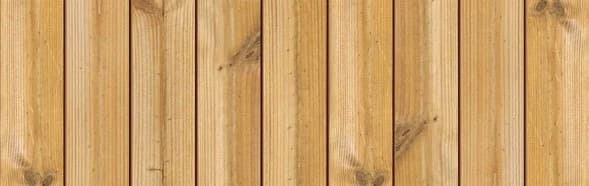
Scandinavian Thermally Modified Wood is a Nordic softwood selection known for its visible grain and warm color. The thermal modification process, using heat and steam, enhances its dimensional stability without chemical preservatives. This makes it suitable for a range of applications from interior walls and ceilings to exterior facades and soffits.
Its natural character and chemical-free modification make it a versatile choice for modern architectural surfaces. Understanding these inherent qualities is the first step in successful material pairing.
For more details on available profiles and general applications, refer to the product page for Scandinavian Thermally Modified Wood.
Selecting Complementary Materials: Stone, Stucco, or Metal
The choice of accompanying material significantly impacts the overall aesthetic and performance of your facade. Each material brings distinct characteristics:
Stone: Offers a robust, natural, and often rustic counterpoint to the refined wood. It can provide a strong base or an accent wall, grounding the design.
Stucco: Provides a smooth, monolithic surface that can highlight the texture of the wood. It's often chosen for its clean lines and ability to create a seamless backdrop.
Metal: Introduces a modern, industrial edge. Options like corrugated metal, standing seam panels, or flat sheets can create sharp contrasts or subtle accents, depending on the finish and profile. Metal can also offer different reflectivity and color options.
When selecting, consider the desired architectural style. A modern design might lean towards metal or smooth stucco, while a more organic or transitional look could incorporate natural stone.
Planning Transitions and Joints Between Materials
The interface where two different materials meet is critical for both aesthetics and weather performance. Poorly planned joints can lead to water intrusion or an unfinished appearance. Key considerations include:
Flashing and Drainage: Always design for proper water management. Ensure that water shedding from one material does not get trapped behind another. Step flashing, through-wall flashing, and drip edges are essential.
Expansion and Contraction: Different materials expand and contract at different rates due to temperature and moisture changes. Plan for appropriate gaps and expansion joints to accommodate this movement without causing stress or damage to either material.
Depth and Alignment: Scandinavian Thermally Modified Wood typically has a nominal thickness. When pairing with stone veneers, stucco, or metal panels, plan how the different material depths will align. You may need to adjust furring strips, sheathing, or use trim pieces to create a flush or intentional stepped transition. A common approach is to recess the wood slightly or have it proud, using trim to mask the depth difference.
Visual Breaks: Consider if you want a sharp, clean line between materials or a softer transition. Shadow lines created by trim or intentional offsets can enhance the visual separation or integration.
Worked Example: Detailing a Mixed-Material Corner
Consider a hypothetical facade design where Scandinavian Thermally Modified Wood siding meets a stucco wall at an exterior corner.
To achieve a clean transition, one approach is to install a metal Z-flashing at the corner. The stucco would terminate against the vertical leg of the Z-flashing, providing a crisp edge. The horizontal leg of the Z-flashing would then extend over the edge of the Scandinavian Thermally Modified Wood, acting as a drip edge to protect the wood's end grain and prevent water from wicking into the joint. The Z-flashing should be color-matched to either the stucco or a complementary trim color to blend seamlessly.
Alternatively, if the stucco is slightly thicker than the wood, the wood siding can be brought to the corner, and a trim board (such as a 1x2 or 1x3 in a matching or contrasting thermally modified wood) can be installed vertically to cover the exposed end grain of the siding and provide a clean termination point for the stucco. This method requires careful sealing at the trim-to-stucco interface.
Limiting Your Material Palette for Cohesion
A common design principle for mixed-material facades is to limit the number of distinct materials. Over-complicating the palette can lead to a cluttered or disjointed appearance. Generally, two to three primary materials are sufficient to create visual interest without overwhelming the facade.
When pairing Scandinavian Thermally Modified Wood, aim for materials that either complement its warm, natural tone or provide a deliberate contrast. For instance, a light-colored stucco can highlight the wood's grain, while a dark metal can create a dramatic modern statement.
Consider the textures and finishes as well. A smooth stucco or flat metal panel can accentuate the visible grain of the wood, while a rough-hewn stone might create a more rustic, textured composition. Obtaining physical samples of all proposed materials is crucial for visualizing the final combination and ensuring they work well together under natural light.
Before you order
- Have I considered the expansion and contraction rates of all chosen materials?
- Are all material transitions and joints properly detailed for weather protection and drainage?
- Have I obtained physical samples of all proposed materials to review their appearance together?
- Is the overall material palette limited to avoid a cluttered facade?
- Will the chosen materials align effectively in terms of depth, or are there plans for trim/furring adjustments?
- Does the chosen combination of materials achieve the desired aesthetic and architectural style?
- Have I accounted for any specific installation requirements or clearances for each material?
- Are there any specific manufacturer recommendations for pairing or sealing these materials at joints?
Confirm installation details, approved uses and warranty terms in the current instructions for the exact product and profile. Your installer should verify the substrate, structure and applicable project requirements.
Questions to help you decide
Can Scandinavian Thermally Modified Wood be installed directly against stone or stucco?
Direct contact is generally not recommended due to differences in material movement and the need for proper drainage and ventilation. A rainscreen system or at least furring strips behind the wood siding is often necessary to allow for air circulation and moisture escape, preventing potential issues. Always plan for appropriate flashing and a gap or joint where materials meet.
How do I ensure color consistency when combining materials?
While Scandinavian Thermally Modified Wood has a natural, warm tone, its appearance can change over time, especially if left unfinished and exposed to UV light, where it will gradually weather to a silver-gray patina. When pairing with other materials, consider how their colors and finishes will interact both initially and over time. Obtaining physical samples and reviewing them in various lighting conditions is essential. If a consistent color is desired for the wood, a UV-protective finish can be applied.
What kind of fasteners should be used when combining materials?
Fastener selection depends on the specific material being attached and the substrate. For Scandinavian Thermally Modified Wood, corrosion-resistant fasteners are typically recommended. When attaching different materials to the same wall, ensure that fasteners are compatible with each material and provide adequate holding power for their respective loads. Always follow manufacturer guidelines for each material regarding fastener type, size, and spacing.
Plan Your Mixed-Material Facade with Scandinavian Thermally Modified Wood
Ready to integrate Scandinavian Thermally Modified Wood into your next facade project? Request a material quote today. Provide your project dimensions, desired wood profile, and ZIP code to confirm current availability and service options. For further assistance with material selection and detailing, our team is available to help.
Request a material quote →