The Initial Appearance of Scandinavian Thermally Modified Wood
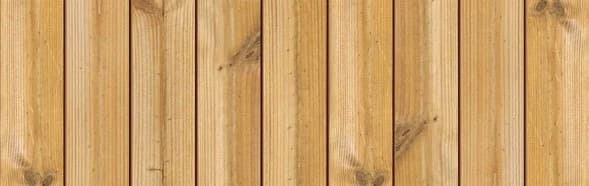
When first installed, Scandinavian Thermally Modified Wood presents a warm, inviting tone with visible Nordic grain. The thermal modification process, which uses controlled heat and steam without chemical preservatives, enhances dimensional stability while imparting this characteristic color. This natural character makes it a popular choice for architectural walls, ceilings, soffits, and facades.
The specific shade can vary slightly depending on the individual wood pieces, but generally, it features a consistent, rich brown hue that highlights the wood's inherent patterns. This initial appearance is often what draws designers and homeowners to the material, offering a natural and sophisticated aesthetic.
Natural Weathering and Graying
Exposed to the elements, Scandinavian Thermally Modified Wood will naturally undergo a weathering process. Over time, UV radiation and moisture will cause the wood's surface to gradually change color, developing a silver-gray patina. This is a common characteristic of many wood species when left untreated outdoors.
The rate and uniformity of graying can depend on several factors, including sun exposure, rainfall patterns, and orientation. Areas that receive more direct sunlight and rain will typically gray faster than sheltered areas. This can sometimes lead to an uneven appearance during the transition period. Many find this natural graying appealing, valuing the low-maintenance, aged aesthetic it provides.
Cleaning to Restore Appearance
If the natural graying is not desired, or if the wood accumulates dirt, mildew, or algae, cleaning can help restore its appearance. Regular cleaning can remove surface contaminants and, to some extent, lighten the weathered patina. Mild soap and water, applied with a soft brush, are often sufficient for general cleaning.
For more stubborn stains or significant graying, specialized wood cleaners designed for exterior use may be considered. Always test any cleaner on an inconspicuous area first to ensure it does not adversely affect the wood. Pressure washing should be used with extreme caution and at a low setting, as high pressure can damage the wood fibers.
Coating Options to Maintain Color
To preserve the initial warm color of Scandinavian Thermally Modified Wood and slow down the graying process, various coatings can be applied. These typically include UV-protective oils, stains, or sealers.
Transparent or translucent finishes allow the wood's grain to remain visible while offering protection. Pigmented stains can introduce a new color or enhance the existing warm tones, providing more substantial UV resistance. It is crucial to select exterior-grade products specifically formulated for thermally modified wood, as these are designed to adhere properly and withstand outdoor conditions.
Maintaining a coated finish requires periodic reapplication, typically every 1-5 years depending on the product, exposure, and desired aesthetic. This commitment to ongoing maintenance should be factored into your project planning.
Hypothetical Project Example: Managing a Facade's Appearance
Consider a hypothetical residential facade measuring 20 feet wide by 10 feet high, clad in Scandinavian Thermally Modified Wood with a V-Joint profile. The homeowner is deciding between letting the wood naturally gray or maintaining its warm tone.
Option 1: Natural Graying. The homeowner chooses to let the facade weather naturally. They anticipate a gradual transition over 1-2 years, with the south-facing wall graying more quickly than the north-facing wall. They plan for annual cleaning with mild soap and water to remove dirt and pollen, accepting the evolving silver-gray aesthetic.
Option 2: Color Retention. The homeowner prefers to maintain the initial warm color. They apply a UV-protective, transparent oil immediately after installation. They understand that this oil will need reapplication every 2-3 years, depending on sun exposure. Over 10 years, this might mean 3-4 reapplication cycles, requiring 3-4 gallons of product and associated labor.
This example illustrates the trade-off between a low-maintenance, naturally evolving facade and a higher-maintenance approach to preserve the original color. The choice impacts both long-term aesthetics and ongoing effort.
Before you order
- Do I prefer the initial warm tone or the silver-gray weathered appearance?
- Am I prepared for the natural graying process to potentially be uneven in the short term?
- What level of ongoing maintenance (cleaning, re-coating) am I willing to commit to?
- Have I considered the impact of sun exposure and rainfall on the weathering rate?
- If coating, have I selected a finish specifically compatible with thermally modified wood?
- Have I accounted for the cost and labor of periodic reapplication if choosing to coat?
- Are there any sheltered areas where the original color might persist longer, creating a visual contrast?
Confirm installation details, approved uses and warranty terms in the current instructions for the exact product and profile. Your installer should verify the substrate, structure and applicable project requirements.
Questions to help you decide
Does Scandinavian Thermally Modified Wood require a finish?
No, Scandinavian Thermally Modified Wood does not require a finish for performance. The thermal modification process enhances its dimensional stability and durability. However, a finish can be applied if you wish to maintain its original color and slow down the natural graying process.
How quickly will Scandinavian Thermally Modified Wood turn gray?
The rate of graying depends on environmental factors such as UV exposure, rainfall, and orientation. Typically, exposed surfaces will begin to show signs of graying within a few months to a year, progressing to a full silver-gray patina over 1-3 years. Areas protected from direct sun and rain may weather more slowly.
Can I restore the original color after the wood has grayed?
To some extent, yes. Cleaning with specialized wood brighteners or cleaners designed for exterior wood can help remove surface graying and dirt, bringing back some of the wood's original warmth. However, complete restoration to the 'as-new' color is challenging without sanding, which is generally not practical for installed siding.
Plan Your Scandinavian Thermally Modified Wood Project
Understand the full range of options for your facade or ceiling. Request a material quote with your project dimensions, desired profile, and ZIP code to confirm current availability and service options for Scandinavian Thermally Modified Wood, or explore related products like Siding and Cladding, Thermally Modified Wood, and MAXIMO Accoya for your next build.
Request a material quote →