Understanding Scandinavian Thermally Modified Wood Properties
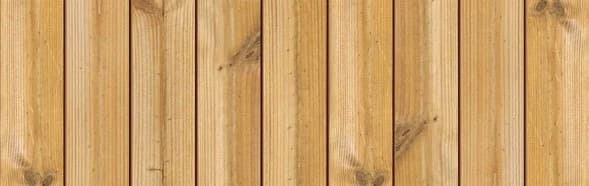
Scandinavian Thermally Modified Wood is a Nordic softwood selection that undergoes a heat and steam modification process. This chemical-free treatment enhances dimensional stability without introducing chemical preservatives. This improved stability means the wood is less prone to expansion and contraction with changes in humidity, a key factor in fastener performance.
While the thermal modification process improves stability, it also subtly alters the wood's cellular structure, making it a material that requires specific fastener types to prevent staining or degradation. The natural character and warm Nordic grain are defining features, and the right fasteners help preserve this appearance.
Common applications for this material include walls, ceilings, soffits, facades, and selected decking. Each application may present different exposure levels and structural demands, influencing fastener choice.
Material Compatibility: Avoiding Corrosion and Staining
The most crucial aspect of fastener selection is material compatibility. Using incompatible metals can lead to galvanic corrosion, where one metal degrades faster in the presence of another, especially when moisture is present. This corrosion can weaken the fastener and cause unsightly black streaks or discoloration on the wood surface.
For Scandinavian Thermally Modified Wood, stainless steel fasteners are generally recommended. Specifically, grades 304 and 316 stainless steel offer excellent corrosion resistance. Grade 316 is particularly suitable for coastal environments or areas with high humidity and exposure to salt spray, providing superior protection against pitting corrosion.
Hot-dipped galvanized fasteners can be an alternative in some less exposed applications, but their coating can eventually wear down, potentially leading to rust and staining. Always verify the specific coating thickness and suitability for your project's environmental conditions. Avoid standard steel or electro-galvanized fasteners, as they will almost certainly corrode and stain the wood.
Fastener Type and Profile: Matching to Application
The choice of fastener type (nails, screws) and their head style (trim head, bugle head) depends on the specific profile of Scandinavian Thermally Modified Wood being installed and the desired aesthetic.
These can be face-fastened or hidden, depending on the panel design and desired look. When face-fastening, ensure the fastener head can be countersunk cleanly or is small enough to be inconspicuous.
For S4S E4E profiles used in siding, ceilings, or decking, more robust fasteners may be required. Decking applications, in particular, demand screws with greater shear strength and pull-out resistance. Consider screws specifically designed for exterior wood applications, which often feature self-tapping tips and special threads to reduce splitting.
Exposure and Environmental Considerations
The level of exposure to weather elements directly influences fastener choice. For fully exposed exterior applications like facades or open decking, maximum corrosion resistance is paramount. This necessitates high-grade stainless steel fasteners.
In covered outdoor areas, such as soffits or protected porch ceilings, the risk of direct rain and UV exposure is reduced, potentially allowing for slightly less robust (but still corrosion-resistant) options. However, humidity and condensation can still be factors, making stainless steel a reliable choice.
For interior applications, where moisture is controlled, the primary concern shifts to aesthetics and ease of installation. Even indoors, stainless steel can be a good choice to prevent any potential staining, especially if the wood is installed in a high-humidity interior space like a bathroom or a basement.
Worked Example: Facade with V-Joint / Nickel Gap Siding
The project is located in a region with moderate rainfall and occasional humidity.
For this type of siding, a common installation method is face-fastening, or blind-fastening if the profile allows. If studs are spaced 16 inches on center, a 20-foot wall (240 inches) would have 240/16 = 15 stud lines.
For a 10-foot long board (120 inches), a 1x6 (actual ~5.5-inch face) would require approximately 120/5.5 = 21.8 boards high, so 22 boards. If blind-fastening, the quantity might differ based on the specific clip or tongue-and-groove design, but the material (stainless steel) remains critical.
This example assumes standard installation practices; always consult the manufacturer's specific installation guide for the exact profile and application to confirm fastener type, spacing, and quantity.
Before you order
- Identify the specific Scandinavian Thermally Modified Wood profile being used (e.g., V-Joint, Fluted, S4S).
- Determine the application (e.g., exterior facade, interior wall, soffit, decking).
- Assess the environmental exposure level (e.g., fully exposed, covered, coastal, high humidity).
- Confirm the substrate material (e.g., wood studs, metal framing) to ensure fastener length and grip are appropriate.
- Select fastener type (screws, nails) and head style (trim head, bugle head) compatible with the profile and desired aesthetic.
- Calculate the estimated quantity, accounting for spacing, board dimensions, and a reasonable waste factor.
- Review the specific installation guidelines for the chosen Scandinavian Thermally Modified Wood profile.
Confirm installation details, approved uses and warranty terms in the current instructions for the exact product and profile. Your installer should verify the substrate, structure and applicable project requirements.
Questions to help you decide
Can I use galvanized fasteners with Scandinavian Thermally Modified Wood?
Avoid electro-galvanized fasteners entirely.
Why is stainless steel recommended for thermally modified wood?
Stainless steel is recommended primarily to prevent galvanic corrosion and staining. The thermal modification process alters the wood, and while it doesn't introduce chemicals, the interaction with incompatible metals can still lead to unsightly black streaks or fastener degradation, especially when moisture is present.
Do different profiles require different fasteners?
Yes, different profiles often require different fasteners. For example, a V-Joint or Nickel Gap siding might use trim head screws for a discreet finish, while S4S E4E used for decking would likely require more robust screws designed for structural outdoor use. Always refer to the specific installation instructions for your chosen profile.
Ready to Select Your Fasteners and Materials?
Request a material quote with your project dimensions, exact Scandinavian Thermally Modified Wood profile, and ZIP code to confirm current availability and service options. Our team can help you identify compatible fasteners for your specific project needs.
Request a material quote →