Why Choose Scandinavian Thermally Modified Wood for an Entry Accent?
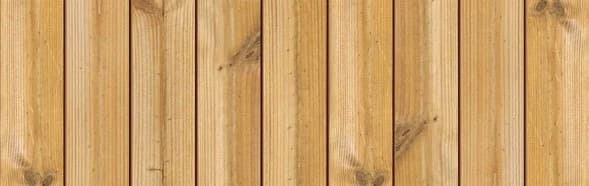
Scandinavian thermally modified wood is derived from a Nordic softwood selection, offering an expressive grain and a warm, natural color. Its appeal for an entry accent lies in its aesthetic qualities and the benefits of the thermal modification process. This process uses controlled heat and steam to improve the wood's dimensional stability without the addition of chemical preservatives, making it suitable for both interior and exterior applications.
The natural character of Scandinavian thermally modified wood provides a welcoming texture and visual warmth that can make an entry feel more inviting. Its versatility means it can be coordinated across different surfaces, from walls to ceilings and soffits, allowing for a unified design language around your home's entrance. This material is particularly well-suited for architectural walls and other visible accents where its distinct appearance can be fully appreciated.
For an entry accent, the material's enhanced stability is a practical advantage, especially in areas subject to varying weather conditions. While not impervious to all elements, its improved resistance to environmental changes helps maintain its appearance over time, reducing concerns about excessive movement or warping in a prominent location.
Selecting the Right Profile for Your Entry Accent
The profile of Scandinavian thermally modified wood significantly impacts the visual texture and shadow lines of your entry accent. Lumber Plus offers several profiles, each creating a distinct look:
It creates a clean, linear appearance with subtle V-shaped grooves or a narrow gap between boards, adding depth without being overly ornate. This profile is versatile and can complement both traditional and contemporary architectural styles, providing a refined backdrop for your entry.
For a more contemporary and textured aesthetic, the "Fluted #5" profile (nominal size 1 × 6) is designed for architectural walls and ceilings. Its distinctive fluted surface adds a dynamic visual element, creating a play of light and shadow that can highlight the entry area. This profile can make a strong design statement and is often chosen for projects aiming for a modern, textured facade.
The "S4S E4E" profile (nominal size 5/4 × 6) offers a smooth, four-sides-surfaced finish with eased edges. This profile is suitable for siding, ceilings, and decking, providing a clean and substantial look. It can be a good choice for an entry accent where a simpler, more robust board appearance is desired, allowing the natural wood grain to be the primary visual focus.
Coordinating with Doors, Lighting, and Surrounding Materials
An effective entry accent with Scandinavian thermally modified wood should integrate seamlessly with other elements of your home's facade. Consider the color and style of your entry door. The warm tones of the wood often pair well with both natural wood doors and painted doors in complementary or contrasting colors. For instance, a dark gray or black door can create a striking contrast, while a natural wood door can enhance a cohesive, organic feel.
Lighting plays a crucial role in highlighting the accent wall, especially in the evening. Wall-mounted sconces positioned to graze the surface of the wood can accentuate its texture and profile, creating dramatic shadow lines. Downlights from an overhang or soffit can provide a broader wash of light, emphasizing the overall warmth of the wood. Plan for lighting that both illuminates the entry for safety and enhances the aesthetic appeal of the accent.
Think about the materials adjacent to your Scandinavian thermally modified wood accent. Whether it's stucco, stone, brick, or metal, ensure there is a harmonious transition. The natural grain of the wood can provide a softening element against harder materials or introduce warmth to cooler palettes. For example, pairing it with dark metal trim can achieve a modern industrial look, while combining it with natural stone can evoke a rustic yet refined aesthetic.
Planning for Weather Exposure and Maintenance
The entry area of a home often experiences direct exposure to weather elements such as sun, rain, and snow. While Scandinavian thermally modified wood offers improved dimensional stability, planning for its exposure is essential for long-term appearance.
If the entry accent is fully exposed to direct sunlight and precipitation, be aware that the wood will naturally weather and develop a silver-gray patina over time. This is a natural process for wood exposed to UV radiation and moisture. If you prefer to maintain the original warm color, periodic application of a UV-protective finish will be necessary. This maintenance should be factored into your project planning.
For entries with some overhead protection, such as a porch or deep overhang, the weathering process will be slower and more uneven. Areas with less exposure may retain their original color longer than those more exposed. Consider how this natural variation will contribute to the overall aesthetic. Regardless of exposure, ensure proper ventilation and drainage behind the cladding to prevent moisture accumulation, especially in a rainscreen assembly.
Regular cleaning to remove dirt, dust, and organic debris will help maintain the appearance of your Scandinavian thermally modified wood. Use a soft brush and mild soap solution, rinsing thoroughly with water. Avoid harsh chemicals or high-pressure washers, which can damage the wood surface.
Worked Example: Designing a 10-Foot Entry Accent Wall
Let's consider a hypothetical entry accent wall project: a vertical cladding application on a recessed entry space measuring 10 feet wide by 8 feet high. The goal is to create a modern, textured look using the "Fluted #5" profile of Scandinavian thermally modified wood.
The "Fluted #5" profile comes in a nominal size of 1 × 6, meaning each board is approximately 5.5 inches wide for coverage. To cover a 10-foot (120-inch) width, we would need to calculate the number of boards:
120 inches (width) / 5.5 inches (board width) = 21.82 boards. Since we cannot purchase partial boards, we would need 22 boards to cover the width. This also accounts for any necessary cuts around the edges or slight variations.
For an 8-foot height, standard board lengths are typically 8, 10, 12, or 16 feet. Using 8-foot boards would minimize waste for the height. Therefore, for this 10-foot wide by 8-foot high wall, we would require 22 boards of 8-foot length each.
Total linear footage needed: 22 boards * 8 feet/board = 176 linear feet.
For installation, consider a furring strip system to create a rainscreen gap behind the cladding, promoting air circulation and drainage. Fasteners should be chosen according to manufacturer recommendations for exterior use, often concealed for a clean aesthetic. Around the entry door, ensure precise cuts and appropriate trim pieces to create a finished look that frames the door opening elegantly.
Before you order
- Determine the exact dimensions of your entry accent area.
- Consider the existing architectural style of your home and how the wood will complement it.
- Plan for coordination with your entry door's color and material.
- Design lighting to enhance the wood's texture and highlight the entry.
- Evaluate surrounding materials (stucco, stone, metal) for harmonious transitions.
- Assess the level of weather exposure (sun, rain, snow) the accent wall will receive.
- Decide whether to allow the wood to naturally patina or to apply a UV-protective finish for color retention.
- Factor in maintenance requirements for cleaning and finishing.
- Confirm the necessary substructure (e.g., furring strips for a rainscreen) and appropriate fasteners.
Confirm installation details, approved uses and warranty terms in the current instructions for the exact product and profile. Your installer should verify the substrate, structure and applicable project requirements.
Questions to help you decide
What is the typical appearance of Scandinavian thermally modified wood?
Scandinavian thermally modified wood features an expressive Nordic grain and a warm, natural brown tone. Over time, if left unfinished and exposed to UV light and weather, it will naturally weather to a silver-gray patina. Applying a UV-protective finish can help preserve its original color.
Can Scandinavian thermally modified wood be used in coastal or cold climates?
The thermal modification process enhances the wood's dimensional stability, which can be beneficial in environments with fluctuating temperatures and humidity. While this improves its performance compared to untreated wood, proper installation, including a rainscreen assembly and consideration of local building practices, is still crucial for long-term durability in any climate, including coastal or cold regions. Always confirm specific suitability and installation guidelines for your project's location.
How do I clean and maintain my Scandinavian thermally modified wood entry accent?
For general cleaning, use a soft brush or cloth with a mild soap and water solution to remove dirt and debris, then rinse thoroughly. Avoid abrasive cleaners or high-pressure washing, which can damage the wood surface. If you choose to maintain the original color, reapply a suitable UV-protective finish according to the product manufacturer's recommendations. Regular inspection for any signs of wear or damage is also advisable.
Ready to Enhance Your Entry with Scandinavian Thermally Modified Wood?
Request a material quote today by providing your project dimensions, desired profile, and ZIP code. Our team can help confirm current availability and service options for your project. Visit our product page for more details: [Scandinavian Thermally Modified Wood](/thermally-modified-wood/scandinavian).
Request a material quote →