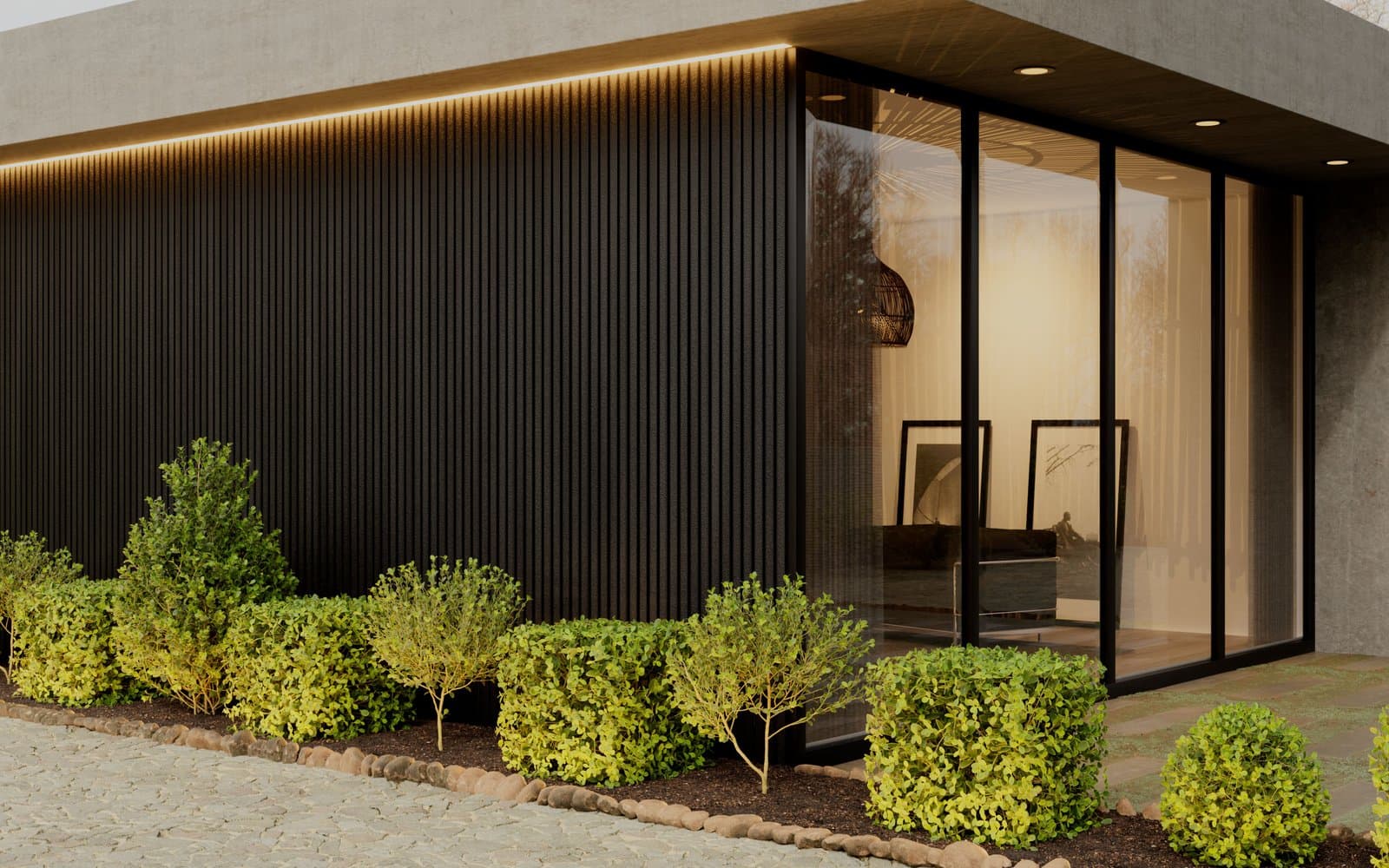
Understanding Natural Weathering of Wood Siding
Wood siding and cladding are organic materials that will naturally change in appearance when exposed to the elements. This process, often called 'silvering' or 'patina,' is primarily caused by UV radiation from sunlight and moisture. Over time, the wood's natural pigments break down, leading to a gray or silver hue. The rate and uniformity of this change depend on the wood species, exposure levels, and initial finish.
Thermally modified woods, such as thermally modified Ayous or Ash, are engineered to offer enhanced stability and resistance to decay, but they will still undergo a weathering process. While their dimensional stability is improved, their color will gradually shift towards a silvery-gray when left unfinished and exposed to direct sunlight and rain. Brazilian hardwoods like Ipe, Cumaru, and Garapa are known for their density and natural durability. When left untreated, these species will also develop a silver-gray patina over time, though the process may be slower due to their inherent characteristics. Maximo Accoya, an acetylated wood product, offers exceptional durability and stability. Like other wood products, if left uncoated, it will also develop a natural gray weathered appearance.
Managing Color Change with Finishes and Coatings
To preserve the original color of wood siding and cladding, or to achieve a specific look, various finishes and coatings can be applied. Stains and sealers containing UV inhibitors are effective in slowing down the weathering process. Transparent or semi-transparent stains allow the wood's natural grain to show through while adding a layer of protection. Opaque stains or paints provide a solid color finish and offer the most protection against UV degradation.
The choice of finish impacts both aesthetics and maintenance. Clear sealers or transparent stains will require more frequent reapplication compared to opaque finishes, as they offer less UV protection. Always ensure that any chosen finish is compatible with the specific wood species and application (e.g., exterior cladding). Regular cleaning of the facade before reapplication of finishes is crucial for proper adhesion and a uniform appearance.
The Appearance of Composite Cladding Over Time
Composite cladding, such as NORX composite, is manufactured to offer consistent color and appearance with reduced maintenance compared to natural wood. These materials are engineered to resist fading, rot, and insect damage. While they generally maintain their initial color well, some minimal, uniform fading may occur over many years, particularly in areas of intense, direct sun exposure. This fading is typically very subtle and not as pronounced as the silvering seen in natural wood.
The primary benefit of composite cladding is its low-maintenance nature. It does not require staining, sealing, or painting to maintain its color. Regular cleaning with soap and water is typically sufficient to remove dirt, grime, and mildew, helping to preserve its intended aesthetic.
Cleaning and Maintenance for Long-Term Aesthetics
Regardless of the material, routine cleaning is vital for maintaining the aesthetic appeal of siding and cladding. Dirt, dust, pollen, and environmental pollutants can accumulate on surfaces, leading to a dull appearance or encouraging mildew growth. For most materials, a soft brush or cloth with a mild detergent and water is effective for cleaning. Pressure washing can be used with caution, ensuring low pressure and appropriate nozzle selection to avoid damaging the surface, especially with wood products.
For wood siding, annual or bi-annual cleaning can help prevent the buildup of grime and biological growth. If a finish is applied, cleaning prepares the surface for reapplication. For composite cladding, regular cleaning helps prevent staining and keeps the surface looking fresh. Always refer to the manufacturer's specific cleaning recommendations for your chosen product to avoid unintended damage or voiding any potential claims.
Worked Example: Planning for a Thermally Modified Pine Facade
Consider a hypothetical project for a residential facade measuring 20 feet wide by 10 feet high, using Maximo Thermally Modified Pine cladding. The homeowner initially loves the warm, golden-brown tone of the freshly installed wood but is open to a weathered look over time, provided it's uniform. The wall faces south, receiving significant direct sunlight.
Decision Point 1: Embrace or Prevent Weathering? Given the homeowner's openness to weathering, the choice is made to apply a clear, water-repellent sealer with minimal UV inhibitors, rather than a heavily pigmented stain. This will allow the natural wood color to slowly transition to a silver-gray patina over approximately 2-3 years, depending on local conditions. The sealer's primary role is to provide some initial protection against moisture and minor discoloration during the early stages of weathering.
Decision Point 2: Maintenance Plan. The homeowner is advised that annual cleaning with a soft brush and mild soap solution will be necessary to remove surface dirt and mildew. This helps ensure the weathering process is as uniform as possible, preventing patchy discoloration caused by uneven dirt accumulation. The clear sealer will be reapplied every 2-3 years to maintain some level of moisture protection, though its impact on color retention will diminish as the wood weathers naturally.
This approach balances the desire for a natural, evolving aesthetic with practical maintenance to ensure a clean, consistent weathered appearance. The selection of Maximo Thermally Modified Pine, known for its stability, reduces concerns about warping or cracking during this transition, supporting the choice to allow natural weathering.
Before you order
- What is the desired long-term appearance: original color, weathered gray, or a specific stained finish?
- How much direct sunlight and rain will the siding receive?
- What is your tolerance for maintenance (e.g., re-staining, cleaning)?
- Is the material natural wood (which will weather) or composite (which resists significant change)?
- If wood, what species is it, and how does that species typically weather?
- Are there specific manufacturer recommendations for finishes or cleaning for the chosen product?
- Do you have a plan for routine cleaning to ensure uniform appearance over time?
Confirm installation details, approved uses and warranty terms in the current instructions for the exact product and profile. Your installer should verify the substrate, structure and applicable project requirements.
Questions to help you decide
Can I prevent my wood siding from turning gray?
You can significantly slow down or prevent wood siding from turning gray by applying a protective finish, such as a stain or paint, that contains UV inhibitors. These finishes block sunlight from breaking down the wood's natural pigments. Regular reapplication of the finish according to the manufacturer's instructions is crucial for continuous protection. Unfinished wood, even thermally modified wood or dense hardwoods, will eventually develop a silver-gray patina when exposed to the elements.
How often should I clean my siding and cladding?
The frequency of cleaning depends on the material, local environmental conditions, and desired appearance. For most siding and cladding materials, an annual or bi-annual cleaning with a mild detergent and water is recommended to remove dirt, grime, and mildew. In areas with high pollen, humidity, or pollution, more frequent cleaning might be beneficial. Always refer to the specific product's maintenance guidelines for best practices.
Do composite cladding materials change color over time?
Composite cladding, such as NORX composite, is engineered to be highly resistant to fading and color change. While they offer excellent color stability compared to natural wood, some minimal, uniform fading may occur over many years, particularly in areas exposed to intense, prolonged sunlight. This change is typically subtle and not as dramatic as the natural weathering of wood. They generally do not require staining or painting to maintain their color.
Ready to Plan Your Facade's Future Appearance?
Request a material quote with your project dimensions, desired profile, and ZIP code to explore options for siding and cladding. Confirm current availability and service options for your project.
Request a material quote →