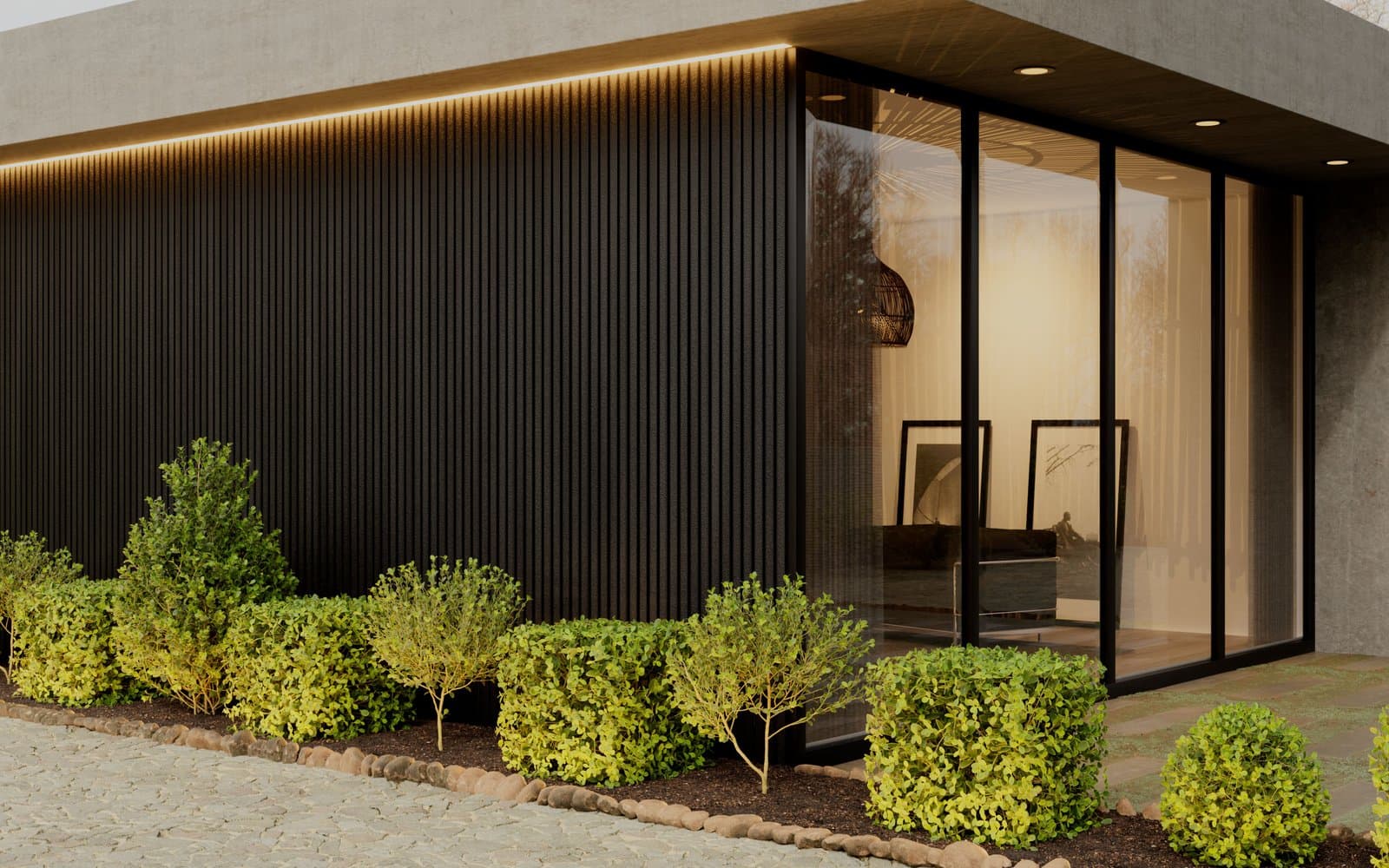
Assessing Existing Wall Conditions
Before any new siding or cladding is installed, a thorough inspection of the existing wall structure is essential. This includes checking for signs of moisture damage, rot, insect infestation, or structural deficiencies. Any issues must be addressed and repaired to provide a sound substrate for the new materials. Ignoring these underlying problems can lead to premature failure of your new facade.
Consider the type of existing sheathing and its condition. Different cladding systems require specific substrates for proper attachment and performance. Documenting the current wall assembly will inform decisions about vapor barriers, weather-resistive barriers, and furring strips, especially when planning a rainscreen system.
Choosing Materials: Performance and Aesthetics
Lumber Plus offers a range of siding and cladding materials suitable for facade renovations. Each material presents a unique combination of aesthetic appeal, durability, and maintenance requirements. Understanding these differences is key to making an informed choice for your Virginia Beach property.
Thermally modified wood, such as Scandinavian thermally modified wood, offers enhanced stability and resistance to decay, making it a suitable option for exterior applications. Its natural wood grain provides a classic aesthetic. Maximo Accoya is another acetylated wood option known for its durability and dimensional stability, offering a different performance profile than thermally modified wood. Brazilian hardwoods like Ipe, Cumaru, Garapa, Angelim, Jatoba, and Tigerwood are valued for their natural strength, density, and rich colors, though they require specific installation and maintenance considerations. For a low-maintenance alternative, Norx composite cladding provides a consistent appearance and resilience to weather.
When selecting, consider the desired aesthetic, budget, and long-term maintenance commitment. The appearance of natural wood will evolve over time, while composite options generally maintain a more consistent look. Evaluate how each material's characteristics align with your project goals and the specific exposure conditions of your facade.
Understanding Profiles and Installation
The profile of your siding or cladding significantly impacts the final appearance and how it performs on the wall. Options range from traditional lap siding to modern rainscreen profiles. Rainscreen assemblies, for instance, incorporate a ventilation gap behind the cladding, which can improve moisture management and overall wall performance. This is a critical consideration in a humid climate.
Installation methods vary by material and profile. Some materials may require specific fastening systems, clips, or sealants. It is crucial to follow manufacturer guidelines and best practices for exterior cladding installation to ensure proper drainage, ventilation, and structural integrity. Incorrect installation can compromise the facade's ability to protect the building from the elements.
Worked Example: Facade Renovation with Thermally Modified Wood
Consider a hypothetical facade renovation for a single-story building in Virginia Beach, measuring 20 feet wide by 10 feet high, with a single 3-foot by 7-foot entry door. The homeowner desires a modern, natural wood aesthetic with improved weather resistance. They select thermally modified Ayous cladding in a 5-inch (nominal, actual 4.5-inch coverage) shiplap profile.
First, calculate the total wall area: (20 ft * 10 ft) = 200 sq ft. Subtract the door area: (3 ft * 7 ft) = 21 sq ft. Net area = 200 - 21 = 179 sq ft. To account for cuts, waste, and future repairs, a common practice is to add 10-15% to the net area. For this example, we'll add 12%: 179 sq ft * 1.12 = 200.48 sq ft. Round up to 201 sq ft of effective coverage needed.
If the thermally modified Ayous cladding is available in 10-foot lengths and provides 4.5 inches (0.375 ft) of coverage per board, each board covers 10 ft * 0.375 ft = 3.75 sq ft. To cover 201 sq ft, you would need 201 sq ft / 3.75 sq ft/board = 53.6 boards. Rounding up, 54 boards would be a starting point. Always confirm packaging quantities and consult with your installer for precise waste factors and a detailed cut plan, especially for areas around windows or complex architectural features.
For the installation, a rainscreen system with vertical furring strips would be specified to allow for proper drainage and ventilation behind the cladding, particularly important in the humid Virginia Beach climate. A weather-resistive barrier would be applied over the existing sheathing before the furring strips. Fasteners compatible with thermally modified wood and the local environment would be used, ensuring proper attachment and resistance to corrosion.
Maintenance and Longevity Considerations
The longevity of your renovated facade depends on proper maintenance. All exterior materials, even those designed for durability, benefit from periodic inspection and cleaning. Natural wood products, including thermally modified wood and hardwoods, may require re-oiling or re-finishing over time to maintain their appearance and protection, or they can be allowed to weather naturally to a silver-gray patina. Composite cladding generally requires less intensive maintenance, typically limited to cleaning.
Regularly check for any signs of damage, loose fasteners, or excessive wear. Promptly addressing minor issues can prevent them from escalating into larger, more costly repairs. Understanding the specific maintenance guidelines for your chosen material is crucial for preserving its appearance and performance for years to come.
Before you order
- Assess existing wall conditions for damage, moisture, and structural integrity.
- Determine the appropriate weather-resistive barrier and vapor barrier for the climate.
- Select siding/cladding material based on aesthetic, durability, and maintenance preferences (e.g., thermally modified wood, Maximo Accoya, Brazilian hardwood, Norx composite).
- Choose a profile (e.g., shiplap, tongue-and-groove, rainscreen) suitable for the desired appearance and performance.
- Plan for proper ventilation and drainage, especially considering a rainscreen assembly.
- Specify compatible fasteners and installation methods according to manufacturer guidelines.
- Calculate material quantities, including waste factor, based on detailed measurements.
- Consider long-term maintenance requirements for the chosen material.
Confirm installation details, approved uses and warranty terms in the current instructions for the exact product and profile. Your installer should verify the substrate, structure and applicable project requirements.
This is a planning guide for projects in Virginia Beach, VA. Ask our team to confirm availability, delivery to your ZIP code and which branch can support your order.
Questions to help you decide
What is the difference between thermally modified wood and acetylated wood?
Thermally modified wood undergoes a high-heat process without chemicals to improve its stability and decay resistance. Acetylated wood, such as Maximo Accoya, uses a non-toxic chemical modification process that alters the wood's cell structure, enhancing its durability, dimensional stability, and resistance to rot. While both processes improve wood performance, they achieve it through different methods and result in distinct material properties.
Do I need a rainscreen system for my facade renovation in Virginia Beach?
A rainscreen system, which creates an air gap between the cladding and the wall assembly, can be highly beneficial in a humid climate like Virginia Beach. It promotes drainage and allows moisture to escape, reducing the risk of rot, mold, and other moisture-related issues within the wall structure. While not always strictly required by code for all applications, it is often recommended for enhanced performance and longevity of the facade.
How do I calculate the amount of siding or cladding I need?
To calculate the amount of siding or cladding, first measure the total area of the walls to be covered. Subtract the area of any windows, doors, or other openings. Then, add a waste factor, typically between 10-15%, to account for cuts, mistakes, and potential future repairs. Always consult with your installer and material supplier to confirm exact quantities based on the specific product profile and project complexity. For materials like thermally modified Ayous cladding, consider the actual coverage width of each board, not just the nominal width.
Plan Your Virginia Beach Facade Renovation
Ready to upgrade your building's exterior? Request a material quote with your project dimensions, desired profile, and ZIP code to confirm current availability and service options for your Virginia Beach facade renovation. Explore our range of siding and cladding options, including [Thermally Modified Wood](/thermally-modified-wood), [Norx Composite Cladding](/brands/norx), and [Maximo Accoya](/products/maximo-accoya), to find the perfect fit for your project.
Request a material quote →