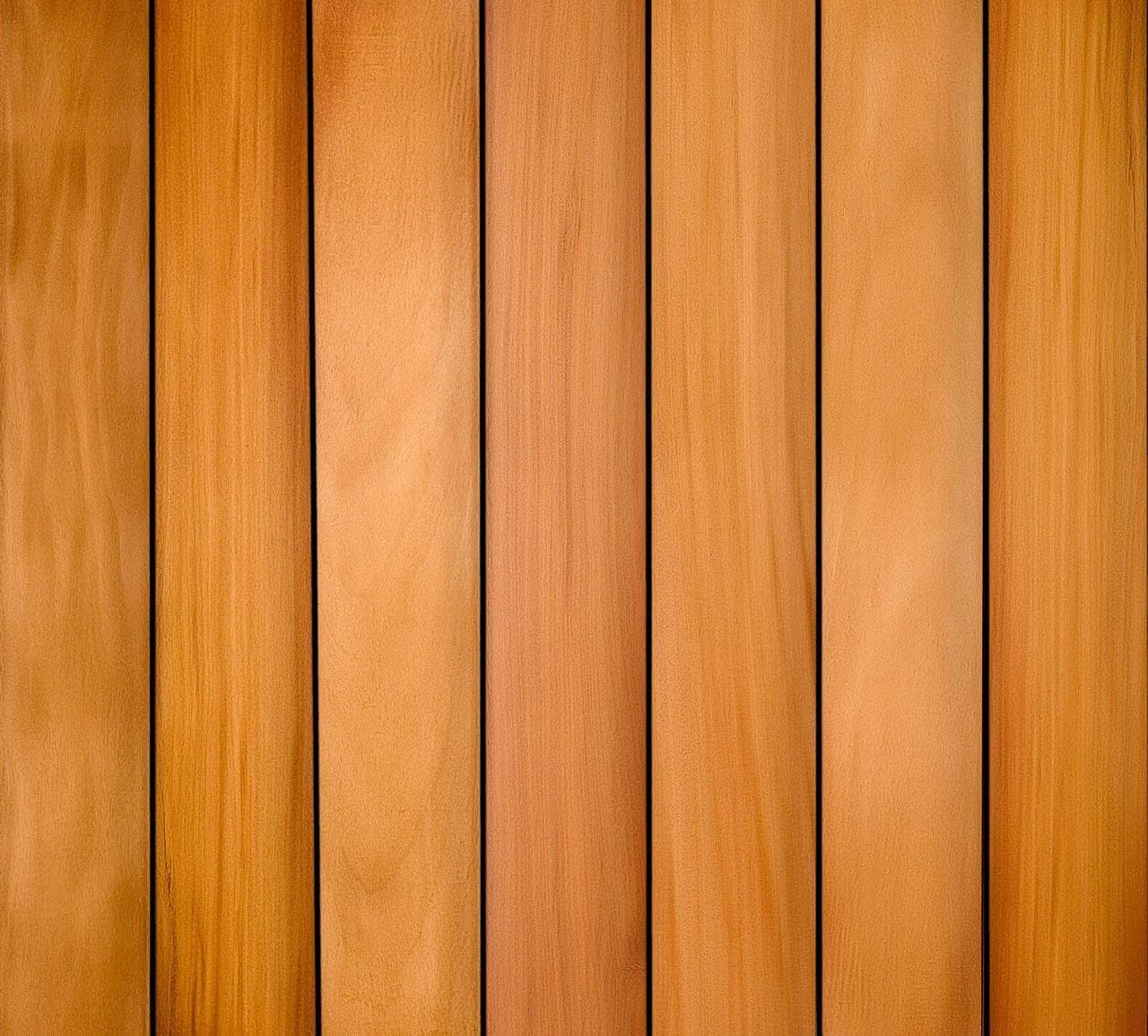
Understanding Garapa Hardwood for Terrace Applications
Garapa, also known as Brazilian Ash (Apuleia leiocarpa), is a tropical hardwood recognized for its golden color. This natural hue can complement various architectural styles, from traditional coastal homes to more contemporary designs.
Beyond its appearance, Garapa is noted for its durability. It has natural resistance to rot, decay, and insects, which can be a valuable characteristic for outdoor applications exposed to varying weather conditions. Its air dry density is 4.11 lbs/bf. Garapa is also described as scratch and slip resistant, with minimal splintering, which contributes to its suitability for walkable surfaces like terraces.
Working with Garapa requires consideration of its density and interlocking grain, which means sharp tools are recommended. While it resists nailing and screwing, it glues easily, which can be a factor in certain joinery applications.
Garapa Decking Profiles and Dimensions
Garapa decking is available in specific profiles and lengths. A common profile is 5/4"x6", which translates to a nominal 1 inch by 5.5 inches. Some suppliers may also offer a grooved option for specific fastening systems. Available lengths typically range from 3 to 24 feet, offering flexibility for different terrace dimensions and minimizing butt joints.
These dimensions are crucial for planning your terrace layout, calculating material needs, and ensuring the final appearance aligns with your design vision. Always confirm the exact profiles and lengths available when requesting a quote, as these can impact both cost and installation.
Terrace Design Decision: Integrating a Golden Tone with Coastal Elements
For a Virginia Beach terrace, a key design decision often involves balancing the desire for a warm, inviting outdoor space with resilience to coastal conditions. Garapa's golden color offers a natural warmth that can be particularly appealing. When planning, consider how this tone will interact with surrounding elements like exterior paint colors, landscaping, and outdoor furniture.
A terrace design might feature a central seating area defined by the Garapa decking, with surrounding planters or low walls in complementary materials like stone or light-colored stucco. The golden hue can serve as a focal point, drawing attention to the outdoor living space.
Worked Example: Designing a 10x12 Foot Garapa Terrace
Let's consider a hypothetical terrace project: a rectangular area measuring 10 feet by 12 feet, intended for a small outdoor dining set. The design calls for a straightforward, linear decking pattern.
Using 5/4"x6" (1" x 5.5" nominal) Garapa decking boards:
1. **Decking Direction:** For a 10x12 foot terrace, running the boards along the 12-foot length would require fewer cuts for board length. If running them along the 10-foot length, you'd need to consider more cuts or shorter boards.
2. **Number of Boards (Width):** The effective width of each board is 5.5 inches. To cover a 10-foot (120-inch) width, you would need 120 inches / 5.5 inches per board 21.8 boards. Since you cannot purchase partial boards, you would need 22 boards to cover the width.
3. **Board Lengths:** If running boards along the 12-foot length, you would need boards that are at least 12 feet long. If you use 12-foot boards, each board would cover 5.5 inches of width over 12 feet of length.
4. **Total Linear Footage (Illustrative):** For 22 boards, each 12 feet long, the total linear footage would be 22 boards * 12 feet/board = 264 linear feet.
5. **Area Coverage (Illustrative):** 22 boards * (5.5 inches / 12 inches/foot) * 12 feet = 121 square feet. This slightly exceeds the 120 square feet needed, accounting for the whole board purchase.
This example provides an illustrative quantity. Actual project planning would include factoring in waste for cuts, potential for specific patterns, and confirming the available board lengths to optimize material use and minimize waste. Always consult with an installer for precise measurements and quantities for your specific project.
Considering the Virginia Beach Environment
Virginia Beach's climate includes humidity and potential for salt air exposure, particularly for properties closer to the coast. Garapa's natural resistance to decay and weather changes makes it a suitable material for such conditions. While Garapa is naturally resistant, regular cleaning and maintenance can help preserve its appearance over time. If left untreated, Garapa will naturally weather to a silver-gray patina, a common characteristic of many hardwoods when exposed to UV light and the elements.
Proper ventilation beneath the deck surface is always important to prevent moisture buildup, regardless of the decking material. This is especially true in humid environments to help ensure the longevity of the deck structure.
Complementary Materials and Design Elements
To enhance a Garapa decking terrace, consider incorporating materials that complement its golden tone. Darker metals for railings or pergola structures can create a striking contrast. Light-colored outdoor cushions or accents can brighten the space and highlight the wood's warmth. Planters with lush greenery or flowering plants can add natural texture and color.
Lighting is another key element. Uplighting on surrounding plants or subtle embedded deck lighting can extend the usability of your terrace into the evening, enhancing the golden tones of the Garapa.
Before you order
- Confirm desired Garapa profile (e.g., 5/4"x6" nominal 1"x5.5", grooved or smooth).
- Measure project dimensions (length, width) accurately for all terrace sections.
- Determine preferred board direction for your layout.
- Account for waste factor (typically 10-15%) for cuts and potential defects.
- Consider the impact of the golden color on surrounding hardscaping and landscaping.
- Plan for proper ventilation beneath the deck surface.
- Decide on a finish (e.g., oil to maintain golden color, or allow to silver naturally).
- Identify any complementary materials for railings, pergolas, or furniture.
Confirm installation details, approved uses and warranty terms in the current instructions for the exact product and profile. Your installer should verify the substrate, structure and applicable project requirements.
This is a planning guide for projects in Virginia Beach, VA. Ask our team to confirm availability, delivery to your ZIP code and which branch can support your order.
Questions to help you decide
What is the typical color of Garapa decking?
Garapa decking is known for its natural golden color. If left untreated and exposed to the elements, it will gradually weather to a silver-gray patina over time.
Does Garapa decking require special maintenance for a coastal environment?
Garapa possesses natural resistance to rot, decay, and insects. While it doesn't require constant chemical treatments, regular cleaning can help maintain its appearance. For coastal environments, ensuring good ventilation and considering a compatible sealant can help preserve the wood's condition, especially if maintaining the golden color is desired.
What profiles are available for Garapa decking?
Garapa decking is commonly available in a 5/4"x6" profile, which measures approximately 1 inch by 5.5 inches nominally. Some suppliers may offer a grooved option for specific fastening systems. It's always best to confirm current availability and exact dimensions when planning your project.
Ready to Plan Your Garapa Terrace in Virginia Beach?
Request a material quote for your Garapa decking project. Provide your project dimensions, desired profile, and ZIP code to confirm current availability and service options for your Virginia Beach terrace.
Request a material quote →