Defining Your Courtyard Outdoor Room Vision
A courtyard outdoor room is more than just a deck; it's an extension of your indoor living space, designed for specific activities like dining, lounging, or entertaining. Before selecting materials, visualize how you intend to use the space. Will it be primarily a shaded retreat, a sun-drenched dining area, or a versatile zone for multiple functions? Consider the existing architecture of your Virginia Beach home and how the new outdoor room will integrate seamlessly, both visually and functionally. The layout of your courtyard, including existing walls, landscaping, and access points, will guide the design and material choices.
For instance, a courtyard with mature trees might benefit from a design that maximizes natural shade, while a more open space might require pergolas or awnings. The size and shape of your courtyard will also influence board lengths and layout patterns. Ipe's rich, reddish-brown to olive-brown tones can complement a variety of architectural styles, from traditional to contemporary, offering a luxurious foundation for your outdoor room. Its natural resistance to weather changes and minimal post-installation movement make it a suitable choice for a space intended for frequent use and enjoyment. (Source: S1)
Understanding Ipe Decking Characteristics
Ipe wood is renowned for its exceptional density and durability, making it a premium choice for outdoor applications. Originating from South America, it is naturally resistant to rot, insects, and mold, reducing the need for chemical treatments. This inherent resilience is particularly beneficial for outdoor rooms exposed to varying weather conditions. (Source: S1)
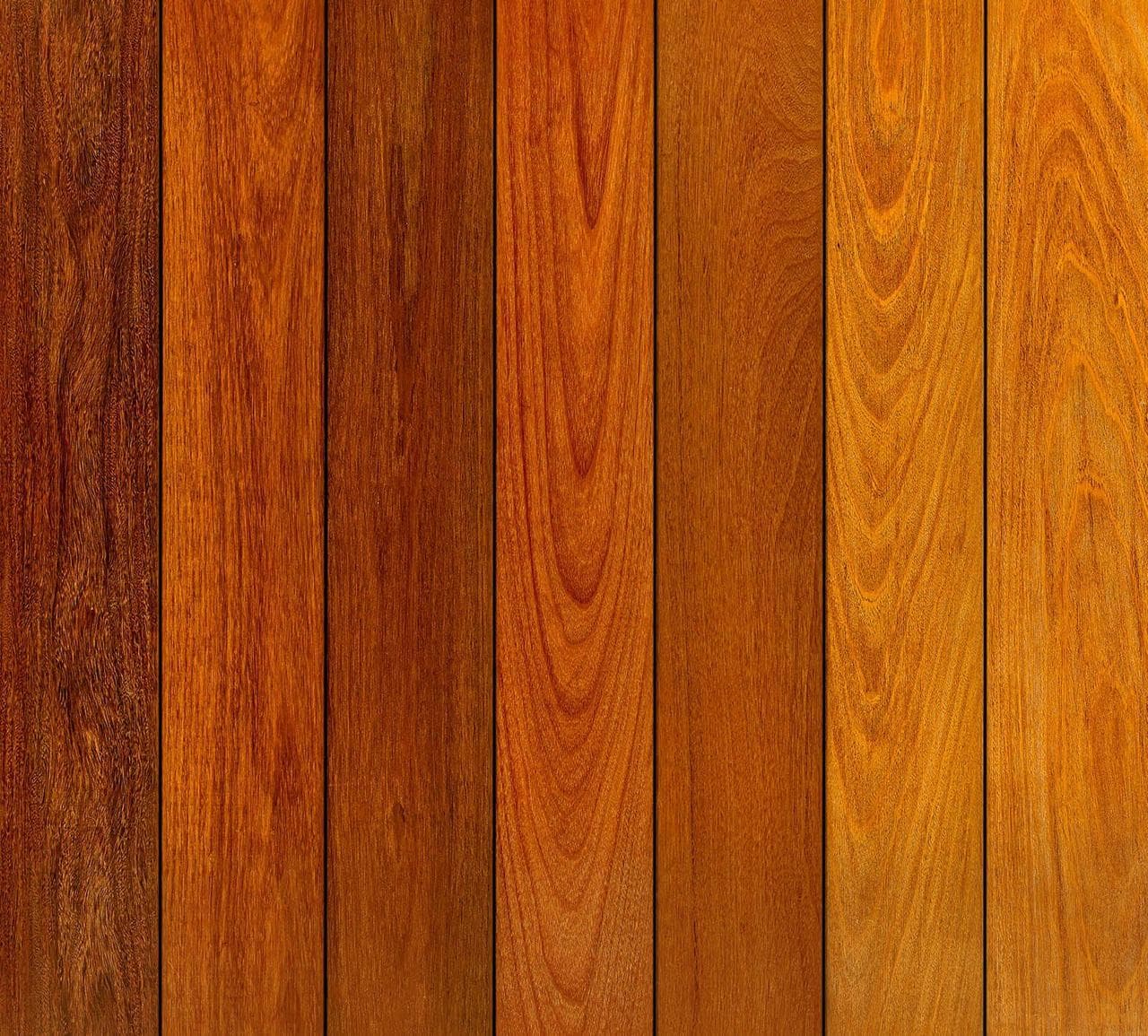
The aesthetic appeal of Ipe lies in its bold grain and range of natural colors. When new, Ipe typically presents reddish-brown to olive-brown hues. If left untreated, it will gradually weather to a silvery-gray patina, a look preferred by some for its natural, aged character. For those who wish to preserve its original color, regular application of a UV-blocking sealer is recommended. (Source: S1)
Pre-drilling is typically necessary for fasteners. While professional installation is often recommended, understanding these material properties helps in planning and budgeting for your project. (Source: S1)
Design and Layout Considerations for Courtyards
Courtyards often have specific dimensions and existing structures that require careful planning for decking. For an outdoor room, consider how the decking will define zones for different activities. For example, a picture-frame border can delineate the main living area from walkways, adding a finished look. The direction of the deck boards can also influence the perceived size and flow of the space. Running boards parallel to the longest dimension can make a narrow courtyard appear wider, while a diagonal layout can add visual interest. (Source: S1)
When planning for a courtyard, consider factors like drainage. Ensure that the decking system allows for proper water runoff away from your home's foundation and any enclosed areas. Adequate ventilation beneath the deck is also crucial, especially in humid climates, to prevent moisture buildup and ensure the longevity of the Ipe. While Ipe is resistant to warping, good airflow contributes to its overall performance. (Source: S1)
The available profiles for Ipe decking typically range from 1x2 inches up to 6x6 inches in various lengths. This versatility allows for creative designs, including custom benches or integrated planters that can enhance the 'room' feel of your courtyard. Coordinate board widths and lengths to minimize waste and achieve your desired aesthetic. (Source: S1)
Worked Example: A 12x15-Foot Courtyard Dining Area
Let's consider a hypothetical 12-foot by 15-foot courtyard in Virginia Beach, VA, intended for an outdoor dining area. The goal is to create a durable, elegant surface using Ipe decking. We'll assume a standard 1x6 inch (nominal) Ipe board profile, which typically measures about 5.5 inches wide for actual coverage, and available in various lengths. The total area is 12 ft x 15 ft = 180 square feet.
For a simple, linear layout where boards run along the 15-foot dimension, you would need enough boards to cover the 12-foot width. Each 5.5-inch wide board (0.458 feet) would require approximately 12 ft / 0.458 ft = 26.2 boards. Since you can't buy partial boards for the width, you'd need 27 boards if running perpendicular to the 12-foot side. If running parallel to the 12-foot side, you'd need 15 ft / 0.458 ft = 32.7 boards, so 33 boards.
Assuming boards are purchased in standard lengths, such as 8-foot, 10-foot, or 12-foot, for a 15-foot run, you would typically need to use two shorter boards with a butt joint or select longer boards if available to minimize seams. If using 10-foot and 8-foot boards, you could cut a 15-foot length from a 10-foot and an 8-foot board, creating a 5-foot offcut. For a 15-foot run, you could also use a single 16-foot board if available, minimizing cuts. For this example, let's assume 16-foot lengths are sourced to minimize waste on the 15-foot run. You would need 27 boards, each 16 feet long. Total linear footage: 27 boards * 16 ft/board = 432 linear feet. This translates to 432 linear feet * (5.5 inches/12 inches/foot) = 198 square feet of material, accounting for cuts and potential waste. Always order about 10-15% extra for cuts, waste, and future repairs. This hypothetical calculation provides a starting point; actual quantities depend on precise board dimensions, layout, and waste factors.
Maintenance and Longevity of Ipe in Virginia Beach
Ipe wood is known for its low maintenance requirements, especially compared to some other decking materials. Its natural oils protect it from cracking or warping, making it highly suitable for the coastal climate of Virginia Beach, which can involve humidity and salt air. (Source: S1)
To maintain the rich, original color of Ipe, a UV-blocking sealer should be applied periodically. Without this treatment, the wood will naturally fade to a silvery-gray patina. Regular cleaning with a mild cleaner and water is also beneficial to remove dirt, pollen, and mildew, which can accumulate in outdoor environments. Always verify the compatibility of cleaning products with Ipe to avoid damage. (Source: S1)
This longevity makes Ipe a long-term investment for your outdoor room. (Source: S1)
Complementary Products for Your Outdoor Room
Beyond the decking itself, consider other elements to complete your Ipe courtyard outdoor room. For structural support, pressure-treated lumber or steel framing can provide a robust foundation for your Ipe deck. When it comes to fasteners, stainless steel screws are typically recommended for Ipe due to its density and the importance of corrosion resistance in an outdoor setting. Hidden fastening systems can create a clean, uninterrupted surface, while face-fastening with Ipe plugs offers a traditional, handcrafted look.
For aesthetic enhancements, consider coordinating Ipe fascia boards for a finished edge, or integrating Ipe into custom planters or benches. To add comfort and utility, explore outdoor furniture designed to withstand the elements, perhaps with cushions that complement Ipe's natural tones. Lighting, whether ambient string lights or integrated deck lighting, can extend the usability of your outdoor room into the evening hours.
Before you order
- Define the primary function and desired aesthetic of your courtyard outdoor room.
- Measure your courtyard dimensions accurately, considering existing structures and access points.
- Decide whether to maintain Ipe's original color with a UV-blocking sealer or allow it to weather to a silvery-gray.
- Consult with an installer regarding Ipe's density and specialized installation requirements.
- Plan for proper drainage and ventilation beneath the deck surface.
- Select Ipe board profiles and lengths that minimize waste and suit your design.
- Budget for complementary materials like fasteners, sub-framing, and any desired finishing elements.
- Review maintenance expectations and commit to a care routine for longevity.
Confirm installation details, approved uses and warranty terms in the current instructions for the exact product and profile. Your installer should verify the substrate, structure and applicable project requirements.
This is a planning guide for projects in Virginia Beach, VA. Ask our team to confirm availability, delivery to your ZIP code and which branch can support your order.
Questions to help you decide
How does Ipe decking handle the Virginia Beach climate?
Ipe wood is highly resistant to weather changes, including humidity and salt air, thanks to its natural oils and density. It resists cracking and warping, making it a suitable choice for outdoor applications in coastal environments like Virginia Beach. Regular cleaning and optional sealing can further enhance its performance. (Source: S1)
What kind of maintenance does Ipe decking require?
Ipe is considered low-maintenance. If you prefer its original reddish-brown to olive-brown color, apply a UV-blocking sealer periodically. If left untreated, Ipe will naturally weather to a silvery-gray patina. Occasional cleaning with a mild soap and water solution helps remove dirt and keep the surface looking its best. (Source: S1)
Can I install Ipe decking myself for a courtyard project?
While it is possible for experienced DIYers, Ipe's exceptional density often requires specialized tools and techniques for cutting and fastening. Professional installation is frequently recommended to ensure proper assembly and to achieve the best results, especially for intricate courtyard designs. (Source: S1)
Ready to Plan Your Ipe Courtyard Outdoor Room?
Request a material quote with your project dimensions, desired Ipe profile, and ZIP code. We can confirm current availability and service options for your Virginia Beach project.
Request a material quote →