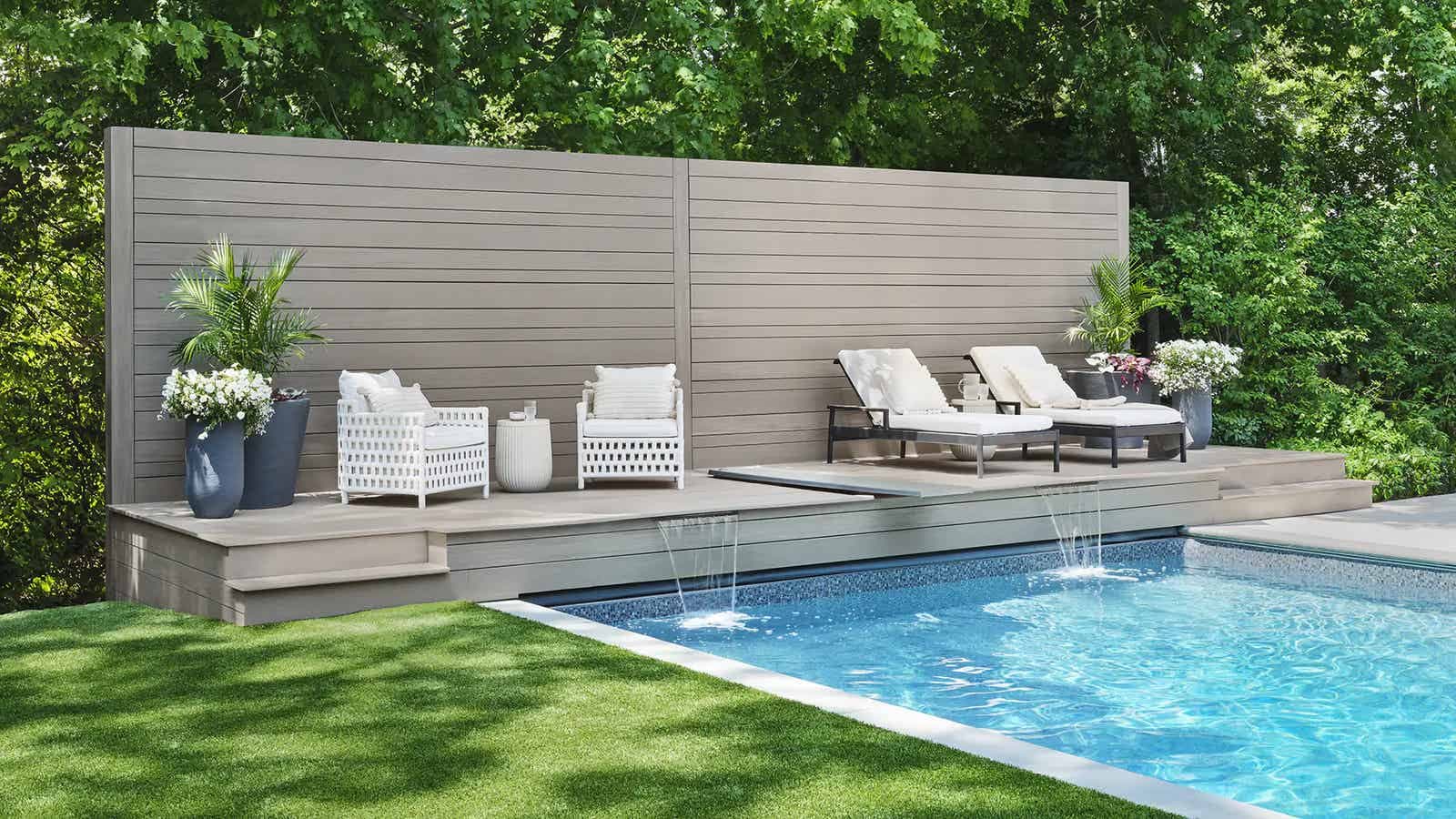
Understanding PVC Decking's Composition in Winter
PVC decking is a fully synthetic product, meaning it contains no wood fibers. This composition is a primary advantage in winter conditions. Materials with wood fibers can absorb moisture, which can lead to expansion, contraction, and potential degradation when exposed to freeze-thaw cycles. PVC, being waterproof to its core, does not absorb water in the same way.
This inherent water resistance makes PVC decking a suitable option for areas prone to standing water, splash zones, or frequent snow melt. The absence of wood fiber also means there is nothing in the material itself to rot or swell due due to prolonged moisture exposure. This characteristic contributes to the material's potential for longevity in wet, cold environments.
Consider this composition when evaluating long-term performance, especially for decks that might experience consistent snow cover or poor drainage during thaw cycles. The material's stability under these conditions can reduce maintenance concerns.
Moisture Management and Drainage Considerations
While PVC decking itself is waterproof, managing moisture on and around the deck remains crucial for the entire deck structure. Proper drainage is essential to prevent water from pooling on the deck surface or accumulating beneath it. Standing water, even on PVC, can create slippery conditions in freezing temperatures and may contribute to ice dams if not properly managed.
Ensure that the deck design includes a slight slope away from the house to facilitate water runoff. Adequate spacing between deck boards is also important for drainage, allowing snowmelt and rain to pass through. Always follow the manufacturer's specific recommendations for board spacing, as this can vary by product and expected temperature fluctuations.
For decks built over enclosed spaces or on grade, consider the overall drainage plan for the site. Preventing water from collecting under the deck helps protect the substructure and can mitigate issues like frost heave, which can affect the stability of the entire deck.
Snow and Ice Removal from PVC Decking
Removing snow and ice from PVC decking requires care to avoid damaging the surface. Generally, plastic shovels are recommended over metal ones to prevent scratching. For stubborn ice, it's important to understand the compatibility of de-icing products with your specific PVC decking material.
Many PVC decking manufacturers provide guidance on acceptable de-icers. Products containing calcium chloride are often suitable, but it is always best to verify with the manufacturer's care instructions for your chosen decking line. Avoid rock salt (sodium chloride) and de-icers containing dyes, as these can potentially stain or damage the decking surface over time.
For light snow, a broom or leaf blower can be effective. Prompt removal of snow and ice can help prevent prolonged moisture contact and reduce the risk of slips and falls. Always confirm specific cleaning and maintenance guidelines from the decking manufacturer.
Thermal Expansion and Contraction in Cold Climates
All decking materials, including PVC, will expand and contract with changes in temperature. In regions with significant temperature swings between seasons, and particularly during winter, this movement needs to be accounted for in the installation. PVC decking tends to experience more thermal movement than wood or composite materials.
Proper installation techniques, including specific gapping requirements between boards and at abutments, are critical. These gaps allow the boards to expand and contract without buckling or creating excessive stress on fasteners. Consult the manufacturer's installation guide for precise instructions regarding gapping, especially for installations in cold weather or where extreme temperature variations are anticipated.
Ignoring thermal movement can lead to issues such as bowed boards, loosened fasteners, or uneven surfaces. Working with an installer familiar with PVC decking in cold climates can help ensure these considerations are properly addressed during construction.
Worked Example: Planning a North-Facing Deck in a Winter Climate
Consider a hypothetical project: a 12-foot by 16-foot north-facing deck for a home in a region experiencing harsh winters with heavy snowfall and freezing temperatures. The north-facing aspect means the deck will receive limited direct sunlight, leading to longer periods of snow and ice cover.
For this project, we select PVC decking boards that are 5.5 inches wide and 16 feet long. To calculate the number of boards needed for the 12-foot width, we divide the width by the board width: 12 feet * 12 inches/foot = 144 inches. 144 inches / 5.5 inches/board = 26.18 boards. Since we cannot purchase partial boards, we would need 27 boards to cover the 12-foot width. This covers the main deck surface with minimal waste for straight cuts.
Given the persistent moisture and cold, the choice of PVC is beneficial due to its waterproof nature. We would specify a deck design with a 1/4-inch per foot slope away from the house to ensure efficient drainage. Board gapping, as per manufacturer specifications for cold weather installation, would be strictly followed, likely requiring slightly wider gaps than in warmer climates to accommodate contraction.
The project plan would also include specifying plastic shovels for snow removal and confirming a compatible calcium chloride-based de-icer for ice management. The substructure would be designed with adequate ventilation to prevent moisture buildup beneath the deck, which is particularly important in a north-facing, often shaded, environment. This detailed planning ensures the deck is robustly prepared for winter conditions.
Before you order
- Confirm local building codes and regulations for decking in winter climates.
- Review specific PVC decking manufacturer guidelines for cold weather installation and maintenance.
- Plan for adequate deck slope (at least 1/4 inch per foot) for drainage.
- Verify recommended board spacing for thermal expansion/contraction in your climate.
- Select appropriate fasteners compatible with PVC and cold temperatures.
- Choose snow removal tools (e.g., plastic shovels) and approved de-icing products.
- Consider the deck's exposure (north-facing, shaded) and its impact on snow/ice retention.
- Evaluate the substructure's ability to withstand moisture and frost heave.
- Budget for any necessary winterization or specialized maintenance supplies.
Confirm installation details, approved uses and warranty terms in the current instructions for the exact product and profile. Your installer should verify the substrate, structure and applicable project requirements.
Questions to help you decide
Is PVC decking slippery in winter?
Like most outdoor surfaces, PVC decking can become slippery when wet, covered in snow, or icy. While some PVC boards offer textured surfaces, it is important to exercise caution. Prompt snow and ice removal, along with the use of appropriate de-icing agents, can help mitigate slipperiness. Always prioritize safety on any outdoor surface in winter.
Can I use a snowblower on PVC decking?
Using a snowblower on PVC decking is generally not recommended unless it has a non-abrasive plastic or rubber scraper blade and the height is set to avoid direct contact with the deck surface. The rotating auger and metal components of many snowblowers can scratch or damage PVC boards. Manual removal with a plastic shovel is typically the safest method to protect your deck's finish.
Does PVC decking get brittle in cold weather?
PVC decking is engineered to perform across a wide range of temperatures, including cold weather. While all materials can exhibit some changes in properties at extreme temperatures, PVC is designed to resist becoming brittle in typical winter conditions. However, it is always advisable to follow manufacturer installation guidelines, especially regarding fastener types and board spacing, to account for thermal movement and ensure long-term performance.
Ready to Plan Your Winter-Ready Deck with PVC Decking?
Request a material quote today. Provide your project dimensions, desired PVC decking profile, and ZIP code to confirm current availability and service options for your location. Our team can help you select the right materials for your winter climate project.
Request a material quote →