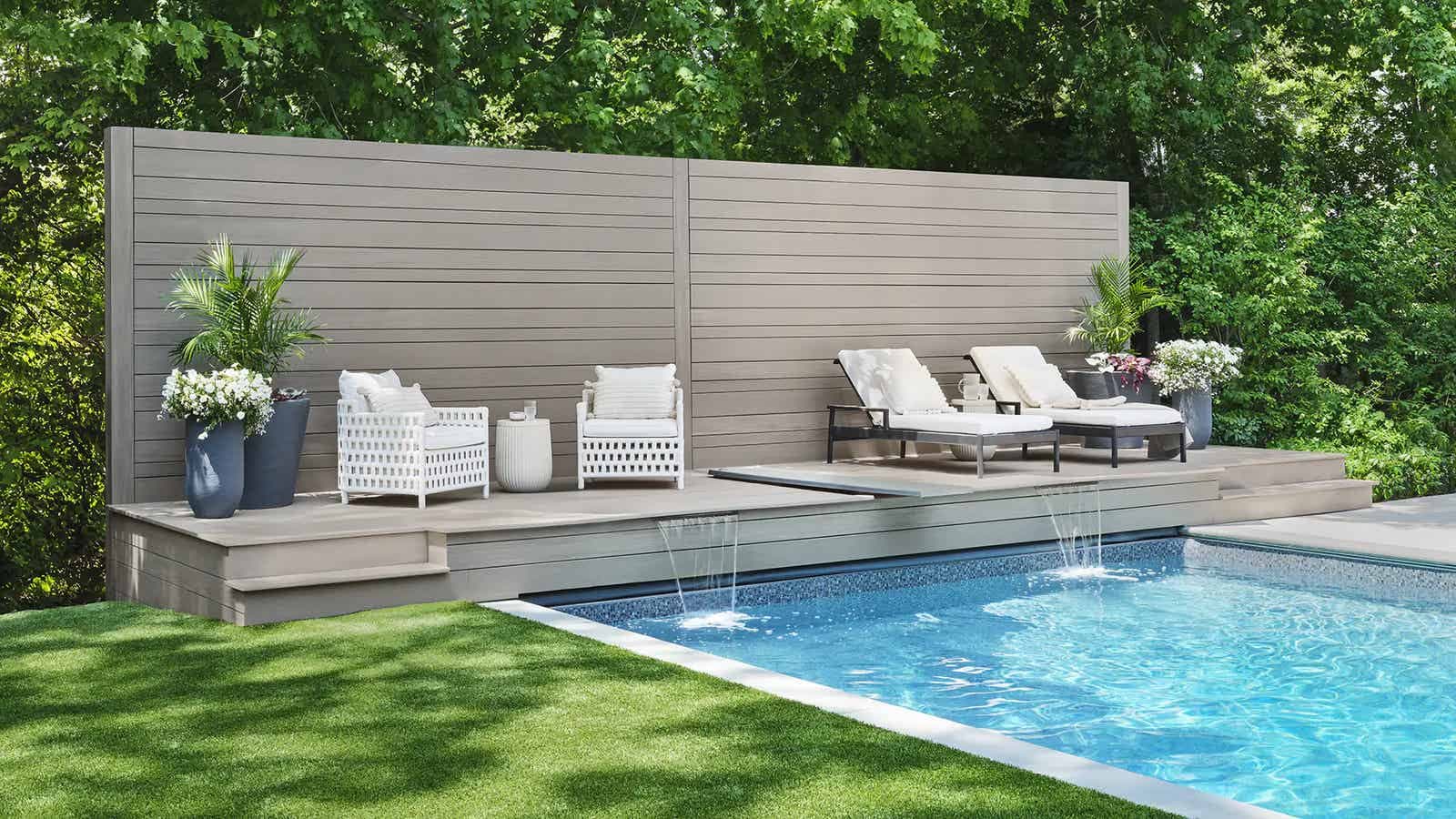
The Importance of Physical Samples for PVC Decking
PVC decking, known for its synthetic composition and resistance to moisture, comes in a range of colors and surface textures designed to mimic natural wood or offer a contemporary aesthetic. Unlike wood, PVC is 100% synthetic, containing zero wood fiber, which makes it suitable for areas exposed to standing water, splash zones, or salt spray without concerns about swelling, staining, or rot. However, the visual and tactile experience of these surfaces is best assessed with a physical sample. Online images can vary significantly in color accuracy due to screen calibration and ambient light during photography, making samples an indispensable tool.
A physical sample allows you to evaluate the material's true color, the depth of its grain pattern, and its overall feel. This is particularly important for PVC decking, where advanced capping technologies create deep wood looks. These details are often lost or misrepresented in digital formats. By interacting with a sample, you gain a clearer understanding of how the decking will integrate into your outdoor space.
Evaluating Color and Finish Under Different Lighting
The appearance of PVC decking color and finish is highly dependent on lighting conditions. A sample viewed indoors under artificial light will look different than the same sample viewed outdoors in direct sunlight, shade, or at dusk. For instance, a board that appears muted indoors might reveal vibrant undertones in bright sunlight, or a subtle grain pattern might become more prominent in softer light.
To accurately assess color and finish, take your samples to the actual project site. Observe them at various times of day: morning, midday, and late afternoon. Pay attention to how the color shifts and how the surface texture interacts with changing light. Some PVC decking options even offer heat-mitigating color options, which might appear different in varying light conditions. This step is crucial for understanding the dynamic visual impact of your chosen decking.
Consider also the impact of overhead structures, such as pergolas or awnings, which will cast shadows and alter how light hits the deck surface. A sample placed in a consistently shaded area may appear darker or cooler than one in full sun.
Assessing Texture and Slip Characteristics
PVC decking often features embossed textures designed to enhance its aesthetic appeal and provide a degree of surface grip. These textures can range from subtle wood grain patterns to more pronounced, brushed finishes. A physical sample allows you to feel these textures directly. Run your hand over the surface to evaluate its smoothness or roughness.
While Lumber Plus does not make specific slip resistance claims, the tactile experience of the sample can give you an indication of its general feel underfoot. Consider how the texture might feel if you walk barefoot on the deck, especially around a pool where surfaces may be wet. The advanced capping on TimberTech Azek lines, for example, contributes to both durability and surface feel. Compare different textures to find one that aligns with your comfort preferences and the intended use of your deck.
Coordinating with Adjacent Materials and Existing Finishes
Your new PVC deck will not exist in isolation. It will be part of a larger outdoor environment, interacting visually with your home's siding, trim, landscaping, and any existing hardscaping like stone patios or brick walls. A key benefit of physical samples is the ability to place them directly next to these adjacent materials.
Hold the PVC decking sample against your home's exterior to see if the colors complement each other or clash. Consider the undertones: does a warm-toned decking sample enhance a cool-toned house color, or vice-versa? Also, assess how the texture of the decking relates to other materials. A smooth, modern PVC board might look striking against a rough stone wall, or a wood-grain texture could blend seamlessly with natural landscaping.
For projects involving pool surrounds or docks, where the decking will be a prominent feature, place the samples directly in those environments. Observe how the color and finish appear against the water, coping, or other marine elements. This direct comparison is invaluable for achieving a cohesive and aesthetically pleasing outdoor space.
Understanding Sample Labels and Product Information
Each PVC decking sample typically comes with a label or accompanying documentation. This information is crucial for making an informed decision. Pay close attention to the product name, collection (e.g., TimberTech Azek Vintage, Landmark, or Harvest collections), color, and profile (e.g., standard, grooved for hidden fasteners).
The label may also indicate the board dimensions, material composition (100% synthetic, zero wood fiber), and any specific performance characteristics, such as advanced capping or suitability for wet environments. For instance, TimberTech Azek PVC boards are noted for being 100% synthetic and waterproof to the core, making them a standard choice for docks and pool decks. Understanding these details ensures you are comparing apples to apples when considering different options and helps confirm the sample matches your project's technical requirements.
Worked Example: Selecting PVC Decking for a Backyard Patio
Consider a homeowner planning an 18-foot by 12-foot backyard patio deck. The existing house siding is a light gray stucco, and there's a small retaining wall of natural stone with warm, earthy tones. The homeowner has narrowed down their PVC decking choices to three options from the TimberTech Azek line: one in a cool-toned gray, one in a mid-tone brown with a pronounced wood grain, and one in a lighter, more subtle tan. Each board is 5.5 inches wide by 16 feet long.
Step 1: Initial Outdoor Review. The homeowner takes all three 1-foot samples outside. In the morning sun, the gray sample appears quite bright, almost reflective, which might be too stark against the light stucco. The mid-tone brown looks rich and complements the natural stone, while the tan appears somewhat washed out.
Step 2: Midday and Afternoon Observation. By midday, the gray sample still feels too cool. The brown retains its warmth and depth, harmonizing well with both the stone and the stucco. The tan sample still lacks visual impact. In the late afternoon, with lower sun angles, the wood grain on the brown sample becomes more evident, adding texture and interest.
Step 3: Adjacent Material Check. The homeowner places each sample directly against the gray stucco and the stone wall. The gray sample creates too much of a monochromatic look. The brown sample creates a pleasant contrast with the stucco and picks up the warm tones in the stone, creating a cohesive palette. The tan sample continues to underwhelm.
Step 4: Tactile Assessment. Feeling the samples, the homeowner prefers the slightly textured, brushed finish of the brown sample, finding it more appealing underfoot than the smoother gray or the less defined tan.
Conclusion: Based on this comprehensive sample evaluation, the homeowner confidently selects the mid-tone brown PVC decking. They decide to order enough boards for the 18x12 foot area, which is 216 square feet. Since each 5.5 inch x 16 foot board covers approximately 7.33 square feet (0.458 ft * 16 ft), they would need approximately 30 boards (216 / 7.33 = 29.46). Accounting for cuts and waste, they would likely order 32-35 boards to ensure sufficient material for the project and any future repairs. They also confirm the board profile is suitable for their chosen hidden fastener system.
Before you order
- Obtain physical PVC decking samples of your top choices.
- View samples outdoors at the project site during different times of day (morning, midday, afternoon).
- Observe samples in varying light conditions (direct sun, shade, overcast).
- Place samples next to existing house siding, trim, and hardscaping materials.
- Assess how the color and finish complement or contrast with adjacent elements.
- Feel the surface texture of each sample to evaluate its tactile qualities.
- Consider how the texture might perform in wet or barefoot conditions.
- Review all information on sample labels, including product name, collection, color, and profile.
- Confirm that the sample's specifications meet your project's technical requirements.
- If possible, consult with your installer regarding the sample profiles and compatible fasteners.
Confirm installation details, approved uses and warranty terms in the current instructions for the exact product and profile. Your installer should verify the substrate, structure and applicable project requirements.
Questions to help you decide
How many PVC decking samples should I request?
It is generally recommended to request samples for your top 2-3 PVC decking choices. This allows you to directly compare different colors, textures, and profiles side-by-side under various conditions. Having a few options helps highlight the distinctions and makes your decision clearer.
Can PVC decking samples be used to test heat retention?
While a sample can give you a general idea of how a color might absorb or reflect heat, it's not a precise scientific test. Darker colors tend to absorb more heat than lighter ones. Some PVC decking lines offer 'heat-mitigating' color options. For a more accurate assessment, consider the specific manufacturer's information regarding heat performance, as a small sample's thermal properties might differ from a full deck surface.
What if my desired PVC decking color isn't available as a sample?
If a specific color or profile is not available as a standard sample, contact a Lumber Plus representative. They may be able to provide larger cut pieces or direct you to a display where you can view a larger section of the material. In some cases, reviewing high-resolution project photos of that specific product can also help, though it's still best to see a physical representation if possible.
Ready to Select Your PVC Decking?
Request a material quote with your project dimensions, exact profile, and ZIP code. Confirm current availability and service options with our team.
Request a material quote →