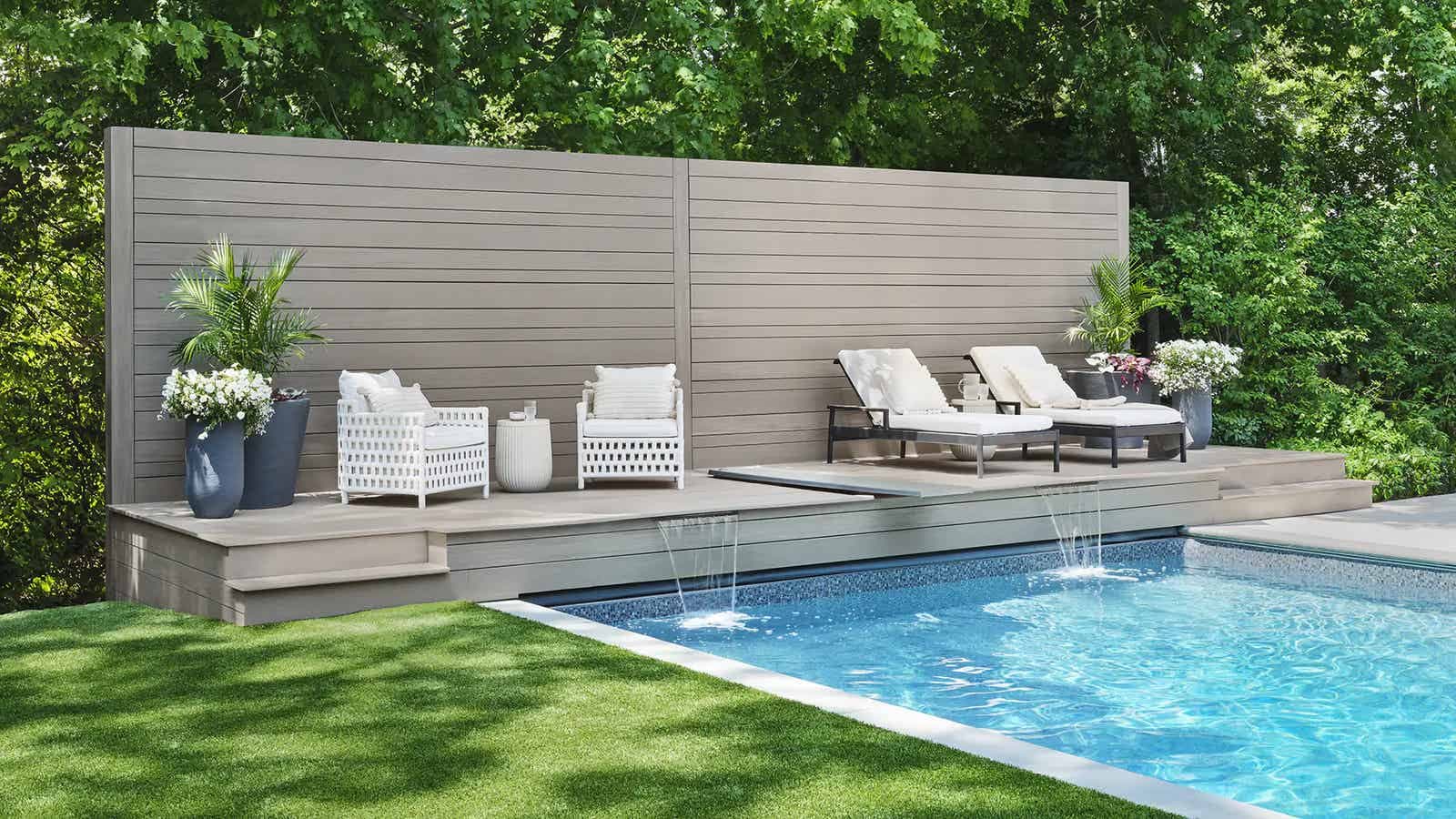
Understanding PVC Decking Color Collections
PVC decking is available in various collections, often categorized by their aesthetic inspiration. For instance, some collections are designed to evoke the deep, rich looks of traditional wood, while others offer more contemporary, uniform tones. These collections typically feature a range of colors from light grays and tans to darker browns and multi-tonal options.
Manufacturers like TimberTech Azek offer lines such as Vintage, Landmark, and Harvest, each designed to provide distinct visual profiles. The Vintage collection, for example, might aim for a classic, weathered wood appearance, while the Harvest collection could feature more uniform, earthy tones. Understanding these collections helps narrow down choices based on your desired style. These are advanced capped polymer boards, meaning their surface is engineered for durability and appearance.
The Impact of Sunlight and Heat on Decking Color
While PVC decking is engineered for durability, color choice can influence how a deck feels underfoot, especially in direct sunlight. Darker colors tend to absorb more solar radiation, which can result in a warmer surface temperature compared to lighter colors. This is a practical consideration for decks in fully exposed areas, particularly if bare feet will be common.
Some PVC decking lines offer "heat-mitigating color options" specifically designed to reflect more sunlight and potentially maintain a cooler surface. It is important to note that no decking material will remain completely cool in intense sun, but these options can offer a noticeable difference. Always evaluate samples in conditions similar to your project's exposure.
Choosing Finishes: Wood Grain, Smooth, and Multi-tonal
PVC decking finishes range from smooth, contemporary surfaces to embossed textures that replicate wood grain. A wood grain finish can add visual depth and a more natural feel, making the synthetic material blend seamlessly with organic surroundings. Smooth finishes, on the other hand, offer a sleek, modern look that can emphasize clean lines.
Multi-tonal boards incorporate subtle variations in color, mimicking the natural streaks and character found in wood. This can add visual interest and help to conceal minor dust or debris. Single-color boards provide a uniform appearance, which can be ideal for minimalist designs or when a consistent backdrop is desired for furniture and landscaping.
Coordinating with Your Home's Exterior and Landscape
The most successful deck designs integrate seamlessly with the existing architecture and landscape. Consider the color of your home's siding, trim, and roofing. A deck color that complements these elements will enhance curb appeal and create a harmonious outdoor living space. For example, a gray PVC deck might pair well with a home featuring cool-toned siding, while a brown deck could complement warmer brick or wood exteriors.
Think about your landscaping elements too. Will the deck be surrounded by lush greenery, hardscaping, or a water feature? Earthy tones can blend naturally with garden settings, while lighter colors might provide a pleasing contrast against dark foliage. Consider how the chosen color will look throughout the year, especially with seasonal changes in plant life.
The Importance of Physical Samples and Daylight Viewing
Digital images and brochure photos are useful for initial inspiration, but they cannot fully convey the true color and texture of PVC decking. Always request physical samples of your top choices. Place these samples on your project site and observe them at different times of day and under various weather conditions.
Sunlight dramatically alters how colors appear. A color that looks perfect indoors or in shade might appear too bright or too dark in full sun. Pay attention to how the finish reflects light and whether the texture is visually appealing when viewed from different angles. This step is crucial for avoiding surprises after installation.
Worked Example: Selecting Decking for a Sun-Exposed Patio
Consider a 12-foot by 16-foot patio deck for a home with light gray siding and dark gray trim, situated in an area that receives full sun for most of the day. The homeowner wants a modern look but is concerned about the deck becoming too hot.
Initial choices might include a dark gray from the TimberTech Azek Vintage collection for its sophisticated aesthetic, and a lighter tan from the Harvest collection for potential heat mitigation. Upon receiving samples, the homeowner places them on the existing concrete patio. In direct midday sun, the dark gray sample becomes noticeably warmer to the touch. The lighter tan sample, while still warm, is more comfortable.
The homeowner also observes that the multi-tonal light tan, with its subtle variations, complements the light gray siding without clashing, and the wood grain finish adds a touch of natural texture that prevents it from looking too stark. The dark gray, while stylish, creates too much contrast with the siding and feels too hot underfoot. Based on these observations, the lighter, heat-mitigating tan with a multi-tonal wood grain finish is chosen, balancing aesthetics with practical comfort for a sun-exposed area.
Before you order
- What is the primary sun exposure of the deck area?
- Will the deck be used barefoot frequently?
- What are the existing colors of your home's exterior (siding, trim, roof)?
- What is the overall style you want to achieve (modern, traditional, rustic)?
- Do you prefer a uniform color or a multi-tonal appearance?
- Is a wood grain texture important, or do you prefer a smoother finish?
- Have you viewed physical samples on-site at different times of day?
- How does the chosen color and finish complement your landscaping?
- Are there specific heat-mitigating color options available for your chosen product line?
Confirm installation details, approved uses and warranty terms in the current instructions for the exact product and profile. Your installer should verify the substrate, structure and applicable project requirements.
Questions to help you decide
Can PVC decking colors fade over time?
High-quality PVC decking, such as those from TimberTech Azek, is engineered with advanced capping that includes fade and stain resistance. While no material is completely impervious to the elements, these products are designed to maintain their color stability for an extended period. Always refer to the manufacturer's specific product information for details on fade resistance.
Are lighter PVC deck colors always cooler than darker ones?
Generally, lighter colors reflect more sunlight and tend to be cooler to the touch than darker colors when exposed to direct sun. Many manufacturers offer specific "heat-mitigating" color options within their PVC decking lines that are engineered to minimize heat absorption. However, all decking materials will absorb some heat in direct sunlight. Testing samples on-site is the best way to assess surface temperature.
How do multi-tonal PVC decking boards differ from solid colors?
Multi-tonal PVC decking boards feature subtle color variations and streaks, designed to mimic the natural appearance of wood. This can add visual depth and character to the deck surface. Solid color boards, in contrast, offer a more uniform and consistent hue across the entire board, providing a sleek and contemporary look. The choice depends on your desired aesthetic and how much natural variation you prefer.
Ready to Select Your PVC Decking?
Request a material quote today. Provide your project dimensions, desired profile, and ZIP code to confirm current availability and service options for PVC decking. Explore our PVC decking options: /decking/pvc
Request a material quote →