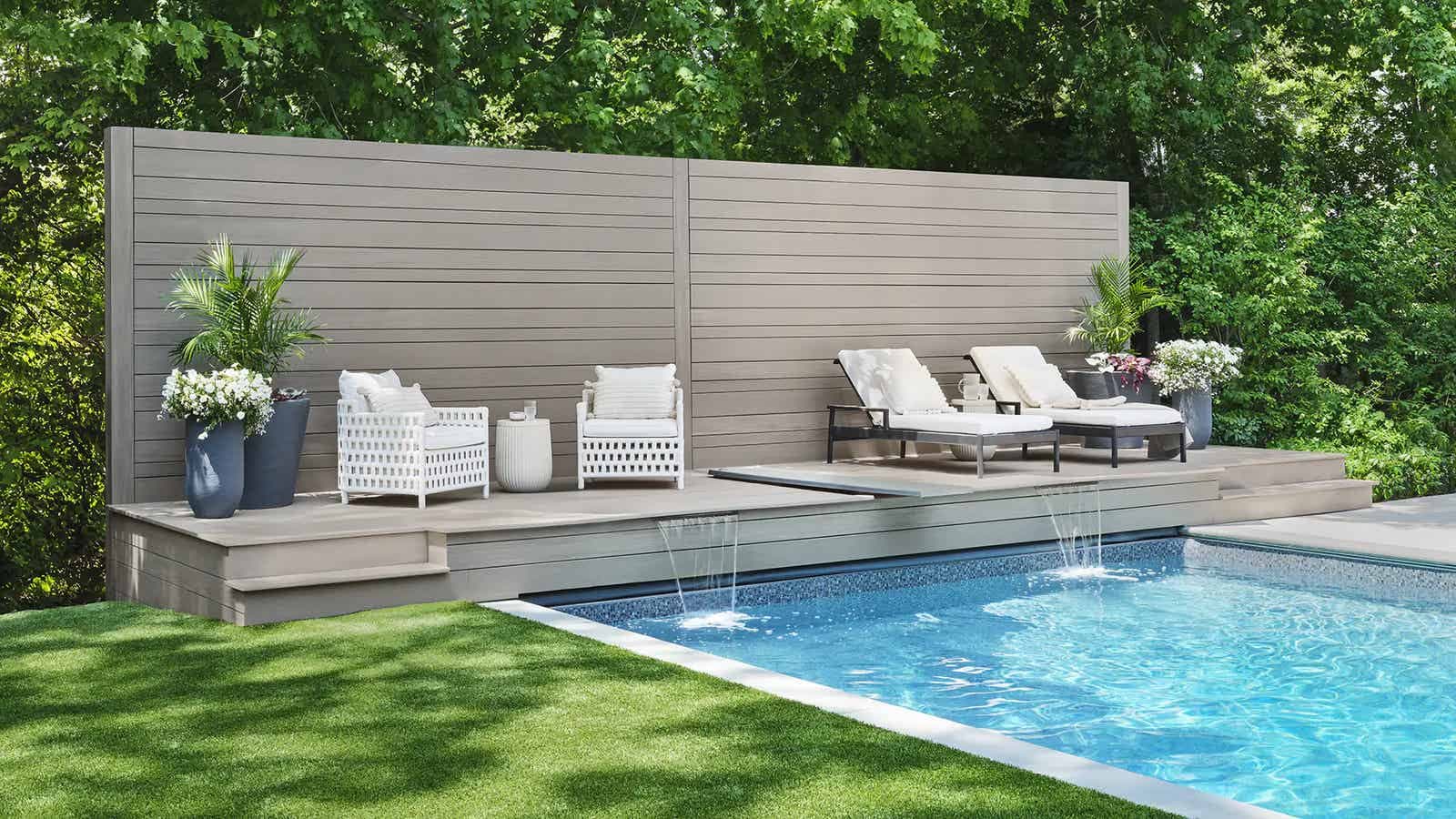
Prioritizing Low Maintenance for Infrequent Visits
The primary advantage of PVC decking for a vacation home is its low maintenance profile. Unlike wood, which can require regular sanding, staining, or sealing, PVC boards are designed to resist common issues like rot, decay, and insect infestation. This means less time spent on upkeep during your precious vacation days and fewer concerns about the deck's condition between visits.
Consider a scenario where your vacation home remains vacant for several weeks or months. During this time, the deck will be exposed to the elements without regular cleaning or inspection. PVC's resistance to moisture absorption makes it particularly suitable for such conditions, reducing the likelihood of mildew or stains taking hold. When you do arrive, a simple wash with soap and water is often sufficient to restore its appearance, allowing you to quickly transition into relaxation mode.
Durability Against the Elements
Vacation homes are often situated in environments that can be particularly demanding on outdoor materials—think coastal salt spray, intense sun exposure, or heavy winter precipitation. PVC decking is engineered to withstand these challenges. Its 100% synthetic composition means there's no wood fiber to swell, stain, or rot when exposed to water, making it suitable for splash zones or areas prone to standing water.
The advanced capping on many PVC decking lines provides an additional layer of protection against fading and staining. This is crucial for a vacation home deck, as prolonged exposure to UV rays and environmental debris can degrade less resilient materials over time. Choosing PVC can help ensure your deck maintains its aesthetic appeal year after year, even with intermittent care.
Planning for Cleaning and Care Intervals
While PVC decking is low maintenance, it is not maintenance-free. Planning for cleaning intervals is essential, especially for a vacation home. If your property is visited seasonally, a thorough cleaning at the beginning and end of the season might suffice. For more frequent visits, a lighter cleaning can be performed as needed.
The key is to establish a realistic care routine that aligns with your visiting schedule. For example, if you visit monthly, a quick sweep and spot clean might be manageable. If visits are less frequent, consider a more comprehensive cleaning upon arrival to remove accumulated leaves, pollen, or other debris. The smooth, non-porous surface of PVC generally sheds grease and wine, allowing for easy cleanup with soap and water.
Selecting the Right PVC Decking Profile and Appearance
PVC decking comes in various profiles and aesthetic options, allowing you to match the deck to the architectural style of your vacation home. Options range from deep wood looks to more modern, uniform finishes. Consider the overall ambiance you wish to create: a rustic cabin might benefit from a decking profile that mimics natural hardwood, while a contemporary beach house might suit a sleeker, solid color.
When selecting colors, remember that lighter shades can help mitigate heat absorption, which might be a consideration for decks exposed to intense sun. Review the available collections, such as the Vintage, Landmark, and Harvest lines, to find a look that complements your vacation home's design while offering the practical benefits of PVC. You can explore options at our main PVC decking page: /decking/pvc.
Hypothetical Project: Lakeside Cabin Deck
Let's consider a hypothetical project: a 12-foot by 20-foot deck for a lakeside cabin that is used primarily during summer and fall, with infrequent winter visits. The owners prioritize durability against moisture and minimal spring cleanup.
The deck area is 240 square feet. If using 12-foot long PVC boards, each measuring 5.5 inches wide, a single board covers approximately 5.5 square feet (12 feet * 5.5 inches / 12 inches per foot). To cover 240 square feet, approximately 44 boards would be needed for the main deck area (240 sq ft / 5.5 sq ft per board). However, this calculation does not account for waste, cuts, or potential for picture-framing borders. For a realistic estimate, assume a 10-15% waste factor for cuts and trimming, bringing the total closer to 49-51 boards. Additionally, consider ordering extra boards for any future repairs or unforeseen issues, especially for a property that is not regularly occupied.
For fascia and any stair treads, additional boards of appropriate size would be required. The lightweight nature of PVC also makes it easier for a small crew or even a single homeowner to handle during installation or minor repairs, which can be a benefit for remote vacation properties.
Before you order
- Assess frequency of visits and desired maintenance level.
- Evaluate environmental exposure (sun, water, salt, snow).
- Determine preferred aesthetic (wood grain, color, finish).
- Calculate approximate material needs, including waste factor.
- Consider ease of cleaning and compatibility with available cleaning products.
- Plan for any specific installation requirements, such as ventilation or fastening.
- Review available warranties for long-term peace of mind.
Confirm installation details, approved uses and warranty terms in the current instructions for the exact product and profile. Your installer should verify the substrate, structure and applicable project requirements.
Questions to help you decide
Can PVC decking withstand harsh winter conditions without intervention?
PVC decking is designed to be highly durable and resistant to moisture, making it suitable for winter exposure. Its synthetic composition prevents issues like rot and swelling that can affect wood. While it can withstand harsh conditions, it's always advisable to remove heavy snow loads if possible to prevent potential structural stress on the underlying frame, and to ensure proper drainage from melting snow.
Is PVC decking prone to fading in intense sun, common at many vacation spots?
Many PVC decking lines feature advanced capping technology specifically engineered to resist fading and staining from UV exposure. Choosing lighter colors can also help mitigate heat absorption on sunny decks.
What kind of cleaning does PVC decking require at a vacation home?
For a vacation home, PVC decking typically requires minimal cleaning. A simple wash with soap and water using a soft brush or pressure washer (on a low setting and with appropriate nozzle) is often sufficient to remove dirt, pollen, and light stains. For properties visited infrequently, a thorough cleaning at the beginning and end of the season, along with spot cleaning as needed during visits, should keep the deck looking good. Avoid harsh chemicals or abrasive cleaners unless specifically approved by the manufacturer.
Ready to Plan Your Vacation Home Deck?
Request a material quote with your project dimensions, desired PVC decking profile, and ZIP code. We can help you confirm current availability and service options for your project. Explore our full range of decking materials at /decking, including hardwood at /decking/hardwood, Ipe at /decking/hardwood/ipe, and composite options at /decking/composite.
Request a material quote →