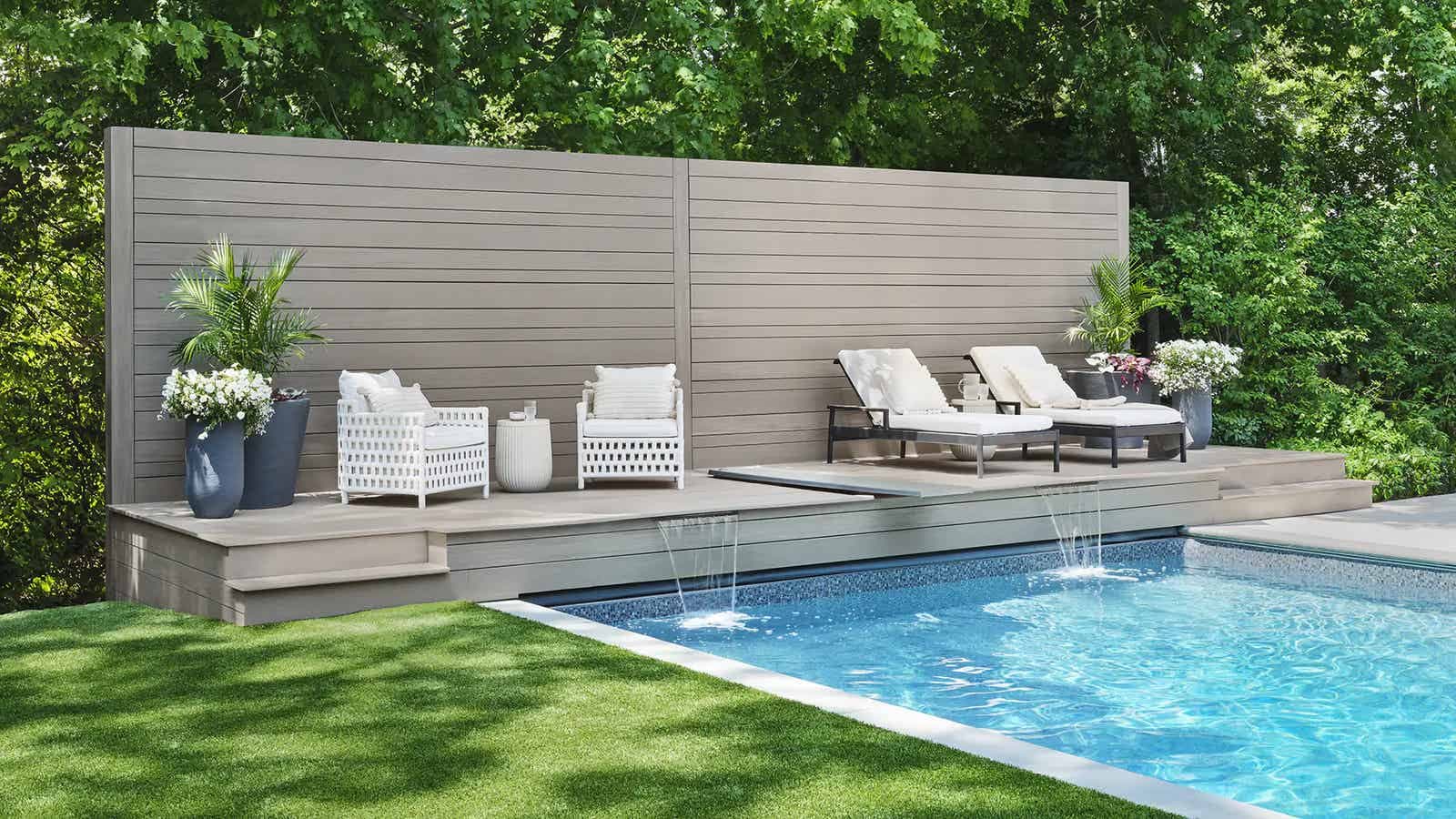
Understanding Your Urban Backyard's Constraints and Opportunities
Before selecting materials or finalizing a layout, accurately measure your backyard's dimensions. Note any fixed elements like property lines, existing structures, mature trees, or utility access points. Consider the path of sunlight throughout the day and how it might impact the deck's usability and the choice of decking color. Evaluate potential drainage issues, especially in tight spaces where water runoff can accumulate. These initial measurements and observations will inform realistic deck dimensions and design choices.
A compact space demands efficient use of every dimension. Think about the primary activities you envision for the deck. Is it for a small dining area, a quiet reading nook, or a place to cultivate container plants? This will help determine the minimum necessary footprint. Also, consider vertical space for storage or climbing plants to add greenery without encroaching on floor area.
Why PVC Decking Suits Compact Urban Spaces
PVC decking is a 100% synthetic material, meaning it contains no wood fiber. This composition makes it waterproof to the core, which can be a significant advantage in urban backyards where moisture, shade, or limited airflow might be concerns. Unlike wood or some composites, PVC is not susceptible to swelling, staining, or rot from standing water or splash zones. This durability can reduce long-term maintenance needs, a practical consideration for busy urban homeowners.
The material's resistance to moisture makes it suitable for areas that might experience consistent dampness due to shade from surrounding buildings or limited sun exposure. Its lighter weight compared to hardwood and some composite options can also simplify installation, particularly in challenging urban access situations or for rooftop applications. PVC decking is designed to shed grease and wine, wiping clean with soap and water, which is a useful feature for outdoor dining areas.
TimberTech Azek PVC decking, for example, is a capped polymer product offered in collections like Vintage, Landmark, and Harvest, providing various aesthetic options. The material is also 100% recyclable, which may appeal to those prioritizing sustainable building practices. (Source: S1)
Strategic Layouts for Maximizing Space
In a small urban backyard, the deck's layout should prioritize functionality and flow. A simple rectangular or square footprint often works best, minimizing wasted space and simplifying construction. Consider how the deck will connect to your home and any existing pathways. Avoid intricate shapes that can break up the visual space and make furniture arrangement challenging.
If your space is particularly narrow, a long, linear deck can create a sense of depth and provide a clear circulation path. For wider, shallower yards, a deck that runs along the house can create a usable patio extension. Think about built-in benches or planters along the perimeter to save floor space compared to freestanding furniture. This also helps define the deck's edges and can create a cohesive look.
Choosing Board Widths and Colors for Visual Impact
The choice of PVC decking board width can influence the perceived size of your deck. Wider boards can make a small deck feel more expansive by reducing the number of visible seams, creating a cleaner, less busy surface. Conversely, narrower boards might add a sense of detail or texture, depending on the desired aesthetic.
Color selection also plays a crucial role. Lighter colors can reflect light, making a small space appear brighter and more open. Some PVC decking options offer heat-mitigating color choices, which can be beneficial in sun-exposed urban settings where darker surfaces might absorb more heat. Consider how the deck color will complement your home's exterior and any surrounding landscaping. A cohesive color palette can help integrate the deck seamlessly into the overall backyard design.
Worked Example: A 10x8 Foot Urban Backyard Deck
Imagine a compact urban backyard measuring 12 feet wide by 15 feet deep.
First, determine the maximum usable width: 12 feet (total width) - 2 feet (pathway) = 10 feet. The maximum usable depth: 15 feet (total depth) - 3 feet (planting bed) = 12 feet. To allow for furniture and circulation, we decide on a deck that is 10 feet wide by 8 feet deep, leaving a small open area for container plants or a narrow storage unit near the house.
For this 10x8 foot deck (80 square feet), we select TimberTech Azek Vintage Collection PVC decking in a standard 5.5-inch wide board profile, available in 12, 16, and 20-foot lengths. To minimize seams and waste, we'll run the boards parallel to the 10-foot width.
For the 8-foot depth, we'll use 10-foot long boards cut to 8 feet. Each 10-foot board yields one 8-foot piece and a 2-foot offcut. We'll need 21 boards to cover the 10-foot width. Therefore, we purchase 21 boards of 10-foot length. The remaining 2-foot offcuts can be used for fascia or other small trim pieces, depending on project needs. This worked example assumes a straight layout and does not account for specific joist spacing or edge detailing, which would require further planning.
Before you order
- Measure your backyard's exact dimensions and note fixed elements.
- Define primary activities for the deck (dining, lounging, gardening).
- Evaluate sunlight exposure and potential drainage issues.
- Consider PVC decking for its moisture resistance and low maintenance.
- Plan a simple, functional layout that maximizes usable space.
- Choose board widths that enhance the perceived size of the deck.
- Select a color that complements your home and reflects light.
- Account for circulation paths around the deck and to other backyard areas.
- Investigate local building codes and permit requirements for deck construction.
Confirm installation details, approved uses and warranty terms in the current instructions for the exact product and profile. Your installer should verify the substrate, structure and applicable project requirements.
Questions to help you decide
Can PVC decking be installed directly on the ground in a small backyard?
PVC decking requires a properly constructed substructure, typically a deck frame built to local building codes, to ensure proper ventilation, drainage, and structural integrity. It cannot be installed directly on the ground. This substructure lifts the decking boards, preventing moisture accumulation and allowing for necessary airflow. Always consult product installation guides for specific substructure requirements.
How do I maintain PVC decking in a shaded urban backyard?
PVC decking is low maintenance. In a shaded urban backyard, it's important to keep the surface clear of leaves and debris, which can trap moisture and potentially lead to mildew or moss growth over time. Regular cleaning with soap and water is typically sufficient. For stubborn spots, refer to the manufacturer's cleaning recommendations to ensure compatibility with the decking material. Good airflow underneath the deck is also important to prevent moisture buildup.
What are the best PVC decking colors for a small urban space?
Lighter colors are generally recommended for small urban spaces as they can reflect light, making the area feel more open and larger. Lighter shades also tend to absorb less heat, which can be a comfort advantage in sunny spots. However, the best color ultimately depends on your personal aesthetic and how it coordinates with your home's exterior and surrounding elements. Some PVC decking lines offer 'heat-mitigating' color options designed to stay cooler underfoot (Source: S1).
Plan Your Urban Backyard Deck Project
Ready to enhance your compact urban backyard with PVC decking? Request a material quote today. Provide your project dimensions, desired PVC decking profile, and ZIP code to confirm current availability and service options for your area. Our team can help you select the right materials for your specific needs.
Request a material quote →