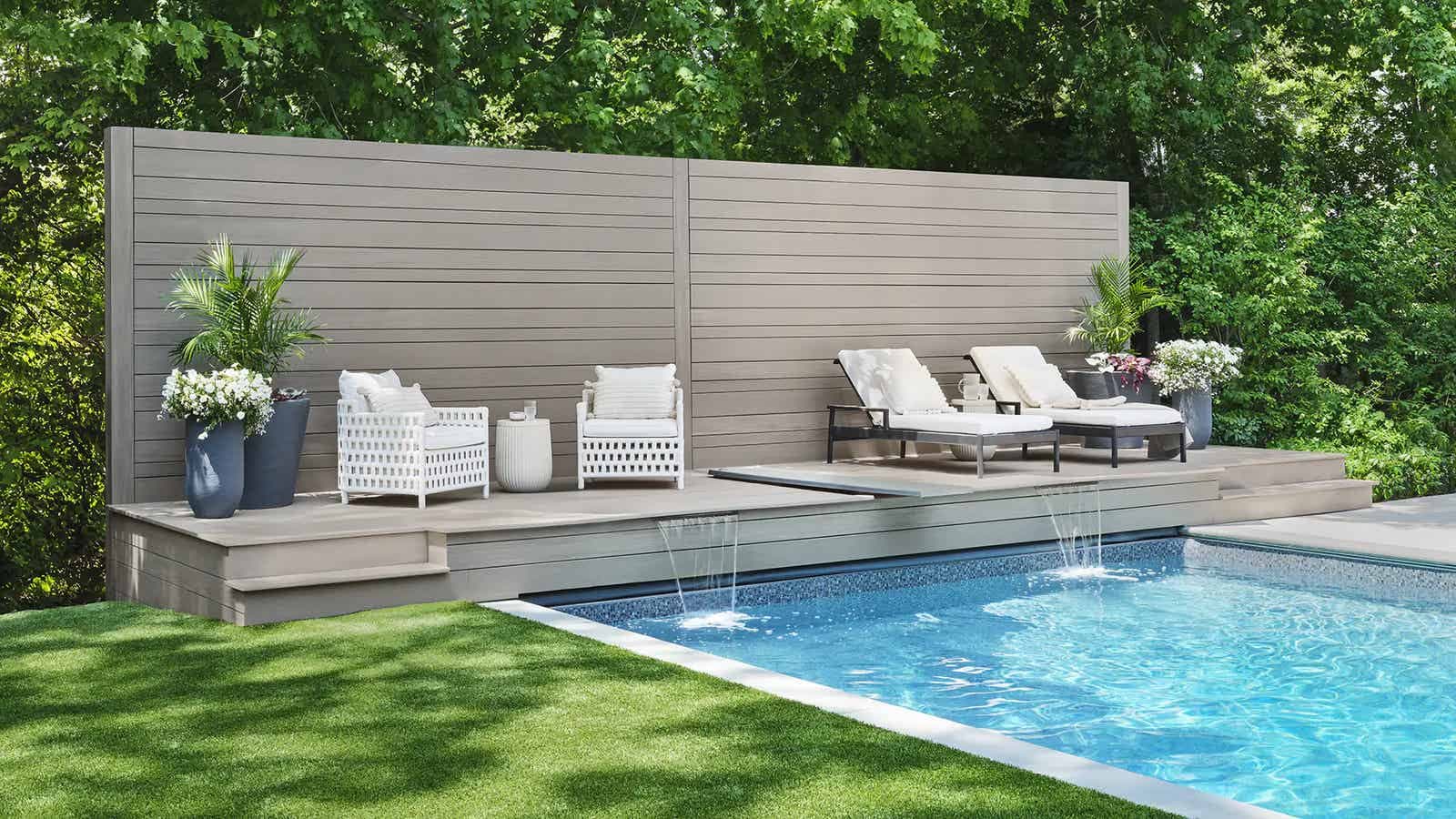
What is a Picture-Frame Border?
A picture-frame border in decking refers to a perimeter of deck boards laid perpendicular or parallel to the main field boards, creating a distinct frame around the deck's edge. This design element not only offers a clean, finished look by concealing the exposed ends of the interior deck boards but also provides an opportunity to introduce contrasting colors or textures.
For PVC decking, this approach is particularly valuable as it eliminates the need to cap or treat exposed board ends, which are less common with synthetic materials but still present a visual break. The border boards typically run continuously around the deck's perimeter, meeting at mitered or butt joints at the corners.
Sub-Structure Blocking for Picture Frames
The primary structural consideration for a PVC picture-frame border is adequate blocking. Since the border boards run independently of the main field boards, they require dedicated support. This involves installing additional joists or blocking between the main deck joists, specifically positioned to support the width of the picture-frame boards.
If you plan a double border, the blocking must accommodate the combined width of both boards plus any required spacing between them. Always consult the manufacturer's installation guidelines for specific blocking requirements and fastener types for PVC decking.
PVC decking, being 100% synthetic, is waterproof to the core and lighter than hardwood or composite, which can simplify handling during blocking installation, particularly for rooftop work or larger structures. However, proper blocking is still crucial for stability and load distribution.
Choosing PVC Boards for Your Border
PVC decking offers various collections, such as TimberTech Azek's Vintage, Landmark, and Harvest, which provide diverse wood looks and colors. When selecting boards for your picture frame, you can opt for the same profile and color as your main deck for a subtle, integrated look, or choose a contrasting color or a different width to create a more pronounced visual division.
Consider the desired aesthetic and how the border will interact with the main deck's layout. A darker border around a lighter main deck can create a sophisticated frame, while a contrasting width can add architectural interest. Ensure that all chosen PVC boards are compatible in terms of thickness and installation requirements. PVC's advanced capping helps shed grease and wine, making it easy to clean, a practical benefit for any high-traffic border area.
Integrating Fascia and Edge Finishes
Fascia boards are essential for completing the look of a picture-frame deck, concealing the rim joists and the edges of the border boards. PVC fascia boards are available to match or complement your decking, providing a unified appearance. When planning, ensure the fascia board depth is sufficient to cover the entire sub-structure edge.
The connection between the picture-frame border and the fascia requires careful alignment. The top edge of the fascia should align precisely with the top surface of the deck boards for a seamless transition. Consider how any hidden fasteners used for the decking will interact with the fascia installation, ensuring there are no visible gaps or misalignments.
For decks that live wet, such as pool surrounds or docks, PVC decking is a default specification due to its 100% synthetic nature and resistance to swelling, staining, or rot from standing water, splash zones, and salt spray. This makes it an excellent choice for a picture-frame border that might experience higher exposure to the elements at the deck's edge.
Worked Example: Single Picture-Frame Border
Let's consider a hypothetical 10-foot by 12-foot deck with a single picture-frame border using 5.5-inch wide PVC deck boards.
2. **Board Lengths:** The two 10-foot border boards will butt against the main field boards. The two 12-foot border boards will run the full length, with their ends meeting the 10-foot border boards at the corners. If you choose mitered corners, each board will need to be cut at a 45-degree angle. For butt joints, the end of one board will meet the side of the other.
3. **Fastening:** The picture-frame boards will be fastened into the dedicated blocking. Use manufacturer-approved hidden fasteners or face fasteners, following the specific product guidelines for spacing and edge clearance. PVC boards are lighter, which can make handling and precise alignment easier during installation.
These should be color-matched or complementary to the decking. Ensure proper ventilation is maintained beneath the deck structure, especially for covered porches that might see weather from both sides.
Before you order
- Determine the desired width of your picture-frame border (single, double, or custom).
- Select PVC decking boards for the border, considering color, profile, and potential contrast.
- Plan the sub-structure blocking to provide continuous support for all border boards.
- Decide on corner joint type: mitered for a seamless look or butt joints for simpler cuts.
- Choose compatible fascia boards that align with the deck surface and cover the sub-structure.
- Verify fastener compatibility and placement for both field and border boards according to manufacturer guidelines.
- Account for any required board spacing for drainage and expansion/contraction.
- Consider the overall aesthetic and how the picture frame integrates with other deck features.
Confirm installation details, approved uses and warranty terms in the current instructions for the exact product and profile. Your installer should verify the substrate, structure and applicable project requirements.
Questions to help you decide
Can I use different PVC board widths for the picture frame and the main deck?
Yes, using different board widths is a common design choice that can add visual interest and definition to your deck. Just ensure that the sub-structure blocking is appropriately sized and positioned to support the specific width of your border boards. Always refer to the manufacturer's installation instructions for any specific requirements related to mixed board widths.
What are the advantages of a mitered corner versus a butt joint for a picture frame?
A mitered corner (cut at a 45-degree angle) provides a more seamless, continuous appearance, often preferred for a high-end finish. However, it requires precise cuts and can be more susceptible to movement if not installed correctly. A butt joint is simpler to cut and install, offering a clean, straightforward connection. The choice often comes down to aesthetic preference and installation skill.
Do PVC picture-frame borders require special maintenance?
PVC decking, including picture-frame borders, is known for its low maintenance. It's 100% synthetic, so it won't swell, stain, or rot. Regular cleaning with soap and water is typically sufficient to maintain its appearance. The advanced capping on many PVC lines helps shed grease and wine, making cleanup simple. Always check the manufacturer's specific cleaning recommendations for your chosen product.
Ready to Plan Your PVC Decking Picture Frame?
Request a material quote today. Provide your project dimensions, desired PVC decking profile, and ZIP code to confirm current availability and service options for your outdoor project.
Request a material quote →