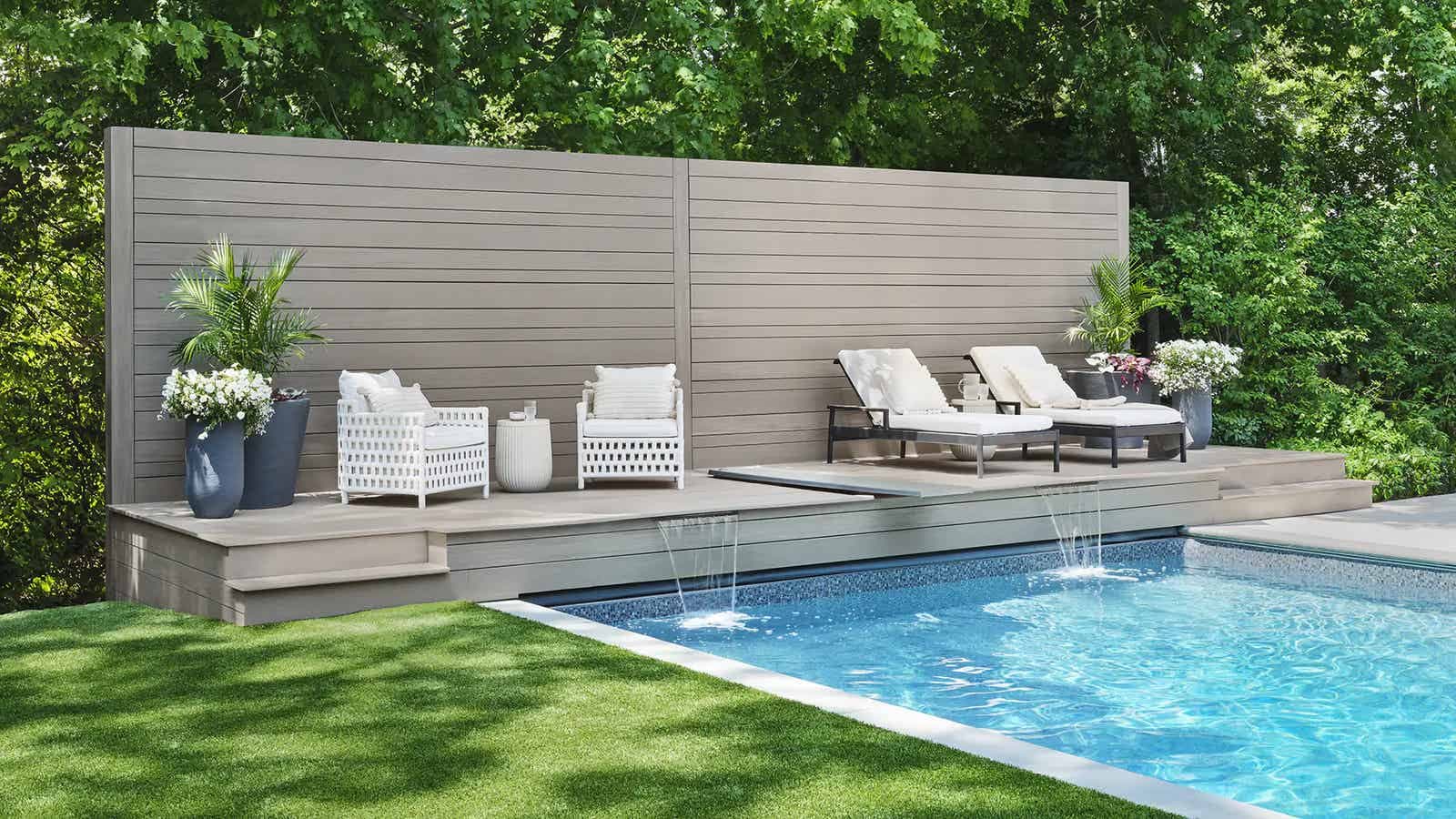
Understanding PVC Decking: Core Characteristics
PVC (Polyvinyl Chloride) decking is a 100% synthetic material, meaning it contains no wood fiber. This composition is a key factor in its performance and, consequently, its long-term ownership profile. Unlike wood or wood-composite options, PVC is designed to be waterproof to the core, making it suitable for applications where moisture exposure is constant or significant.
The advanced capping on many PVC decking lines, such as those from TimberTech Azek, further enhances its resistance to staining and fading. This protective layer is engineered to shed common spills like grease and wine, allowing for simpler cleaning with soap and water. The absence of wood also means PVC decking does not swell, stain, or rot when exposed to standing water, splash zones, or salt spray. This inherent durability directly impacts the frequency and intensity of maintenance tasks over time.
Another characteristic of PVC decking is its relatively lighter weight compared to hardwood and some composite options. This can sometimes contribute to faster handling and installation, potentially influencing initial labor costs. The material is also recyclable, which can be a consideration for end-of-life disposal.
Products like TimberTech Azek PVC decking are designed for demanding environments, often specified for pool surrounds, docks, and covered porches that may experience weather from multiple sides. This suitability for wet conditions is a direct result of its synthetic, waterproof composition. While the initial purchase cost may be higher than some alternative materials, these inherent properties often translate to different ongoing ownership tasks and expenses.
Initial Purchase and Installation Costs
The first part of your lifecycle budget for PVC decking involves the material cost and the labor for installation. PVC decking materials generally represent a premium investment compared to pressure-treated lumber or some entry-level composites. The specific cost will vary based on the collection (e.g., Vintage, Landmark, Harvest from TimberTech Azek), board profile, color, and finish.
Beyond the decking boards themselves, consider the cost of compatible hidden fasteners or screws, fascia boards, and any specialized trim pieces. While PVC is lighter, which can sometimes reduce installation time, labor costs will depend on the complexity of your deck design, local labor rates, and the installer's experience with synthetic decking. It's important to obtain detailed quotes that itemize materials and labor.
For a new deck, you will also need to budget for the substructure (framing, footings, ledger board), which is typically made from treated lumber. While PVC decking offers long-term durability, the substructure will still require appropriate planning for drainage and ventilation to ensure its longevity. Factor in any permits or architectural drawings required for your specific project.
Ongoing Maintenance and Ownership Tasks
One of the primary reasons homeowners choose PVC decking is its reputation for low maintenance. However, "low maintenance" does not mean "no maintenance." Understanding these tasks is crucial for a realistic lifecycle budget.
Routine Cleaning: PVC decking typically requires periodic cleaning to remove dirt, pollen, and environmental buildup. This usually involves a broom or leaf blower for loose debris, followed by washing with soap and water. For tougher stains, manufacturer-approved deck cleaners may be used. The frequency will depend on your local environment and deck exposure. Unlike wood, PVC does not require sanding, staining, or sealing.
Inspections: Regular inspections are still important for any deck. This includes checking the fasteners, ensuring proper drainage, and looking for any signs of wear on the decking or the substructure. While the PVC boards themselves are resistant to rot and insect damage, the underlying frame, if wood, should be monitored.
Repairs: While PVC decking is durable, accidents can happen. Isolated board replacement due to damage (e.g., from heavy falling objects) would involve sourcing a matching board and labor. The waterproof nature of PVC means you generally won't face issues like warping or splintering common with wood, which often necessitate more frequent repairs or board replacements.
Unlike wood, PVC decking does not require refinishing, re-sealing, or repainting to maintain its appearance or protect its structural integrity. This eliminates significant recurring costs in terms of materials, tools, and labor (or personal time) that are typical for wood decks.
Worked Example: Lifecycle Budget for a 300 sq ft PVC Deck
Let's outline a hypothetical 20-year lifecycle budget for a 300 square foot PVC deck, comparing initial costs with estimated ongoing expenses. This example assumes a moderately complex installation in a typical suburban setting.
Initial Costs (Year 0):
Build this part of the estimate from the current supplier quote. Record the exact product, quoted unit, quantity, compatible accessories and delivery costs separately so assumptions do not become advertised prices.
Build this part of the estimate from the current supplier quote. Record the exact product, quoted unit, quantity, compatible accessories and delivery costs separately so assumptions do not become advertised prices.
Build this part of the estimate from the current supplier quote. Record the exact product, quoted unit, quantity, compatible accessories and delivery costs separately so assumptions do not become advertised prices.
Build this part of the estimate from the current supplier quote. Record the exact product, quoted unit, quantity, compatible accessories and delivery costs separately so assumptions do not become advertised prices.
Build this part of the estimate from the current supplier quote. Record the exact product, quoted unit, quantity, compatible accessories and delivery costs separately so assumptions do not become advertised prices.
Ongoing Costs (Over 20 Years):
Build this part of the estimate from the current supplier quote. Record the exact product, quoted unit, quantity, compatible accessories and delivery costs separately so assumptions do not become advertised prices.
Routine Cleaning (Time): Assume 4 hours per year for cleaning. Over 20 years: 4 hours x 20 = 80 hours. (Value of time is subjective but can be factored in).
Build this part of the estimate from the current supplier quote. Record the exact product, quoted unit, quantity, compatible accessories and delivery costs separately so assumptions do not become advertised prices.
Build this part of the estimate from the current supplier quote. Record the exact product, quoted unit, quantity, compatible accessories and delivery costs separately so assumptions do not become advertised prices.
Build this part of the estimate from the current supplier quote. Record the exact product, quoted unit, quantity, compatible accessories and delivery costs separately so assumptions do not become advertised prices.
Build this part of the estimate from the current supplier quote. Record the exact product, quoted unit, quantity, compatible accessories and delivery costs separately so assumptions do not become advertised prices.
This example highlights that while the initial cost of PVC decking is substantial, the ongoing material expenses for maintenance are relatively low over a long period. The primary ongoing "cost" is often the time dedicated to routine cleaning, which is significantly less demanding than the tasks associated with maintaining a wood deck.
Considering the Tradeoffs: Time vs. Money
The decision to invest in PVC decking often comes down to a tradeoff between upfront expenditure and long-term time commitment. While the initial material cost for PVC decking can be higher than some wood alternatives, the reduced need for labor-intensive maintenance tasks (like sanding, staining, or sealing) over the deck's lifespan can represent significant savings in both time and money.
For homeowners who prioritize their leisure time, or those who may not be physically able or willing to perform extensive deck maintenance, PVC decking offers a compelling value proposition. The cost of hiring professionals for routine wood deck maintenance (e.g., power washing, staining every 2-3 years) can quickly accumulate, potentially surpassing the initial premium of PVC decking over many years.
The inherent resistance of PVC to moisture, insects, and rot also means less concern about structural degradation of the decking boards themselves, which can reduce unexpected repair costs. This predictability in ownership tasks contributes to a more stable long-term budget.
Complementary Products for a Complete Deck System
When planning your PVC decking project, consider these complementary products to ensure a cohesive and durable outdoor space:
Decking Substructure Materials: A robust and properly installed substructure is critical for any deck. Typically, this involves pressure-treated lumber for joists, beams, and posts. Ensure these materials are rated for ground contact or appropriate for your specific installation.
Fasteners: For PVC decking, choosing the correct fasteners is essential. Many PVC decking systems are designed for hidden fastening systems, which provide a clean, unblemished surface. Ensure the fasteners are compatible with your chosen PVC decking profile and local building codes.
Fascia and Trim Boards: To achieve a finished look, fascia boards are used to cover the exposed rim joists of your deck. Many PVC decking lines offer matching or coordinating fascia and trim pieces for a seamless appearance. Consider also post sleeves and rail systems.
Railing Systems: A deck railing system is both a safety feature and a design element. Options include PVC, composite, aluminum, or even cable railings. Choose a system that complements your PVC decking and meets safety requirements.
Outdoor Lighting: Integrated deck lighting can enhance safety and ambiance. Options include post cap lights, stair lights, and accent lighting for fascia boards or risers. Plan for electrical conduits during the framing stage.
Before you order
- Have I accounted for all initial material costs, including decking, substructure, fasteners, fascia, and trim?
- Have I obtained detailed labor quotes for installation, considering any complexities of my deck design?
- Do I understand the specific routine cleaning requirements for the chosen PVC decking product?
- Have I estimated the time I am willing to spend on deck maintenance annually, and assigned a value to that time?
- Have I considered potential costs for occasional minor repairs or substructure inspections over the long term?
- Does the overall lifecycle budget (initial + ongoing) align with my financial priorities and lifestyle expectations?
- Have I researched manufacturer-specific care instructions to ensure I am following recommended maintenance practices?
- Are there any specific environmental factors (e.g., heavy tree cover, salt spray) that might influence cleaning frequency or product choice?
Confirm installation details, approved uses and warranty terms in the current instructions for the exact product and profile. Your installer should verify the substrate, structure and applicable project requirements.
Questions to help you decide
Does PVC decking require sealing or staining?
No, PVC decking does not require sealing, staining, or painting. Its 100% synthetic composition and advanced capping protect it from moisture, fading, and staining, eliminating these common maintenance tasks associated with wood decks. Routine cleaning with soap and water is typically sufficient.
How often do I need to clean PVC decking?
The frequency of cleaning PVC decking depends on your local environment and how much dirt, pollen, or debris accumulates. Generally, a good cleaning with soap and water a few times a year is recommended. Areas with heavy tree cover or high foot traffic might benefit from more frequent cleaning.
Is PVC decking more expensive than wood initially?
Typically, the initial material cost for PVC decking can be higher per linear foot or square foot compared to pressure-treated lumber or some entry-level composite options. However, when considering the total lifecycle cost, including reduced maintenance time and expenses over many years, PVC decking can offer a competitive long-term value.
Ready to Plan Your PVC Decking Project?
Request a material quote with your project dimensions, desired PVC decking profile, and ZIP code to get started. Our team can help confirm current availability and service options for your area.
Request a material quote →