Initial Frame Inspection: What to Look For
Before considering any frame reuse, a thorough inspection of your existing deck substructure is essential. Start by checking all structural components—joists, beams, posts, and ledger boards—for signs of rot, insect damage, or significant warping. Pay close attention to areas where wood meets the ground, near water sources, or where fasteners penetrate.
Verify that all connections are secure and free from excessive corrosion. Any compromised structural elements must be repaired or replaced before new decking is installed. This initial assessment helps identify immediate red flags that might necessitate a complete frame rebuild.
Understanding Joist Spacing Requirements for PVC Decking
PVC decking, while durable, has specific joist spacing requirements to ensure proper support and prevent excessive deflection.
Measure the current joist spacing of your existing frame. If your current joist spacing exceeds these recommendations, the frame is not suitable for direct reuse without modifications. This may involve adding new joists in between existing ones, which can be a significant undertaking but might still be more cost-effective than a full rebuild.
Assessing Load-Bearing Capacity and Material Compatibility
While PVC decking typically weighs less than traditional hardwood decking or some composite options, the overall load-bearing capacity of your existing frame must still be adequate for the intended use of the deck. Consider the combined weight of the new decking, furniture, occupants, and any potential snow loads.
Ensure that the existing frame materials (typically pressure-treated lumber) are in good condition and compatible with any new fasteners or connectors required for PVC decking installation. Some older treated lumber formulations might react differently with modern hardware. Consult a qualified professional if there are any doubts about the structural integrity or load capacity of your frame.
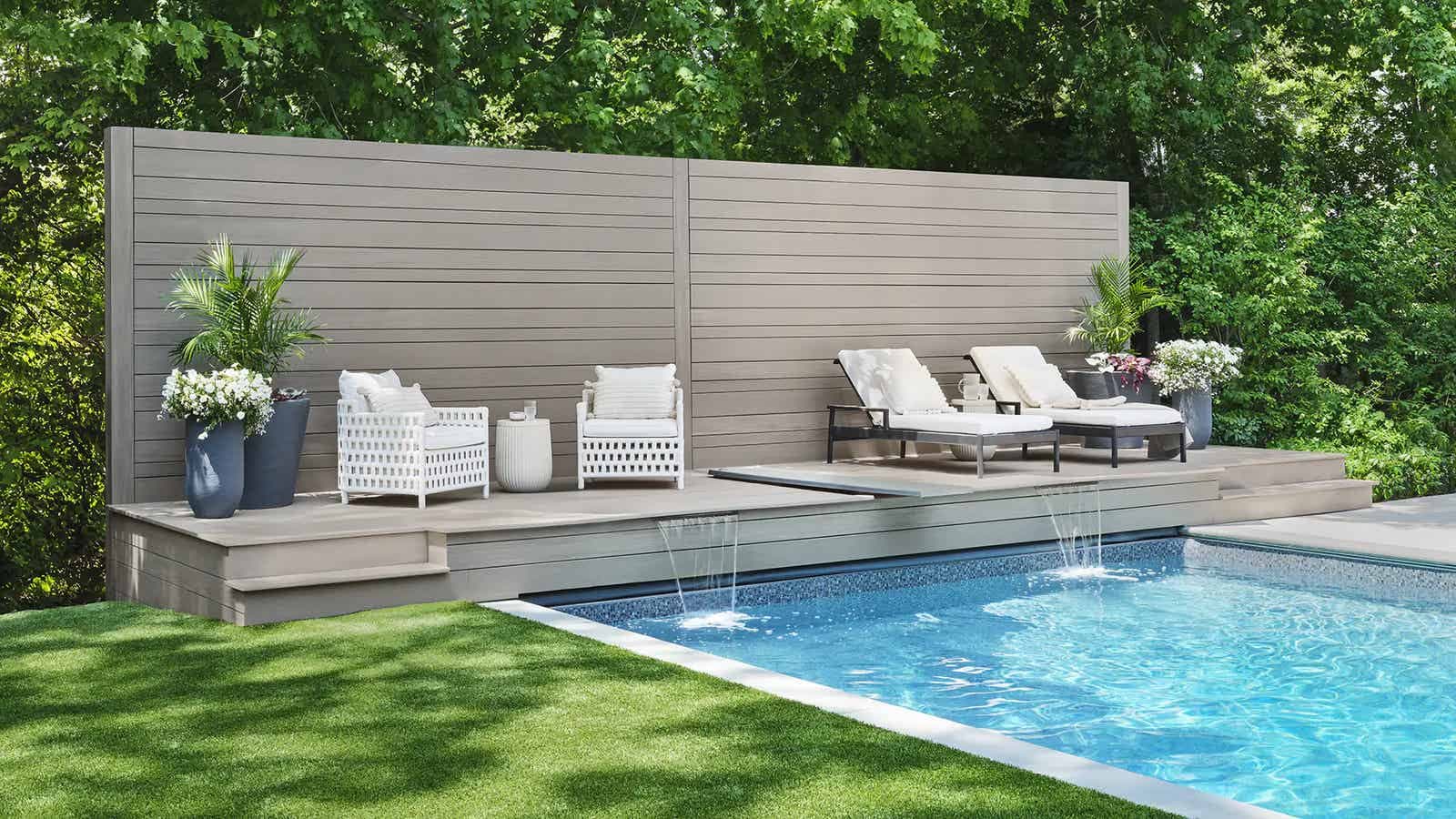
PVC decking from brands like Azek and TimberTech Azek is known for being 100% synthetic and waterproof to the core. This characteristic makes it suitable for areas prone to moisture, such as pool surrounds, docks, or covered porches that experience weather from both sides. Its lighter weight compared to hardwood can also simplify handling and installation, which might be a factor if your existing frame has specific weight limitations. (S1)
Hypothetical Worked Example: Evaluating a 10x12 Foot Deck Frame
Consider a hypothetical 10-foot by 12-foot deck frame you wish to resurface with PVC decking. You plan to lay new PVC decking boards perpendicular to these joists.
This modification involves purchasing additional lumber, fasteners, and potentially joist hangers, but it could still be more economical than dismantling and rebuilding the entire frame.
Always refer to the specific manufacturer's installation guidelines for the PVC decking you select, as requirements can vary.
Planning for Ventilation and Drainage
Proper ventilation and drainage are crucial for the longevity of both your deck frame and the new PVC decking. Ensure that the existing frame design allows for adequate airflow beneath the deck to prevent moisture buildup, especially if the deck is low to the ground. If your deck is enclosed or has poor airflow, consider adding vents or adjusting skirting.
PVC decking itself is waterproof (S1), but water should still be able to drain away efficiently from the top surface and not pool on or under the boards. Review the grading around your deck to ensure water sheds away from the structure and foundation.
Before you order
- Inspect all existing frame members (joists, beams, posts, ledger board) for rot, insect damage, or significant warping.
- Check all fasteners and connections for security and corrosion.
- Assess the overall structural integrity and load-bearing capacity for intended use.
- Confirm adequate ventilation and drainage around and under the existing frame.
- Consult local building codes and a qualified professional for any structural concerns or complex modifications.
- Factor in the cost of any necessary frame repairs or modifications when budgeting.
- Review specific installation guides for your chosen PVC decking product for any unique frame requirements.
Confirm installation details, approved uses and warranty terms in the current instructions for the exact product and profile. Your installer should verify the substrate, structure and applicable project requirements.
Questions to help you decide
What if my existing joist spacing is too wide for PVC decking?
If your existing joist spacing exceeds the manufacturer's recommendations for PVC decking, you will need to add additional joists to meet the required spacing. This typically involves installing new joists between the existing ones, securely attaching them to the beams or ledger board. This modification is often necessary to prevent deflection and ensure the long-term performance of your new deck surface.
Do I need to replace all fasteners when reusing a deck frame?
It's generally recommended to replace any old, corroded, or incompatible fasteners when installing new PVC decking. Modern PVC decking often requires specific types of fasteners (e.g., stainless steel or coated screws) to prevent staining and ensure proper attachment. Even if existing fasteners appear sound, new ones designed for your chosen decking product are usually a better choice for longevity and warranty compliance.
Can I use PVC decking directly over an existing wood deck surface?
No, PVC decking should not be installed directly over an existing wood deck surface. PVC decking requires direct attachment to a properly spaced and structurally sound substructure (joists). Installing it over an old deck surface can lead to moisture trapping, improper fastening, and voiding of product warranties. The existing deck boards must be removed to expose the frame for inspection and preparation.
Plan Your PVC Decking Project
Ready to resurface your deck with durable PVC decking? Request a material quote today. Provide your project dimensions, desired PVC decking profile, and ZIP code to get started. We'll help you confirm current availability and service options for your renovation.
Request a material quote →