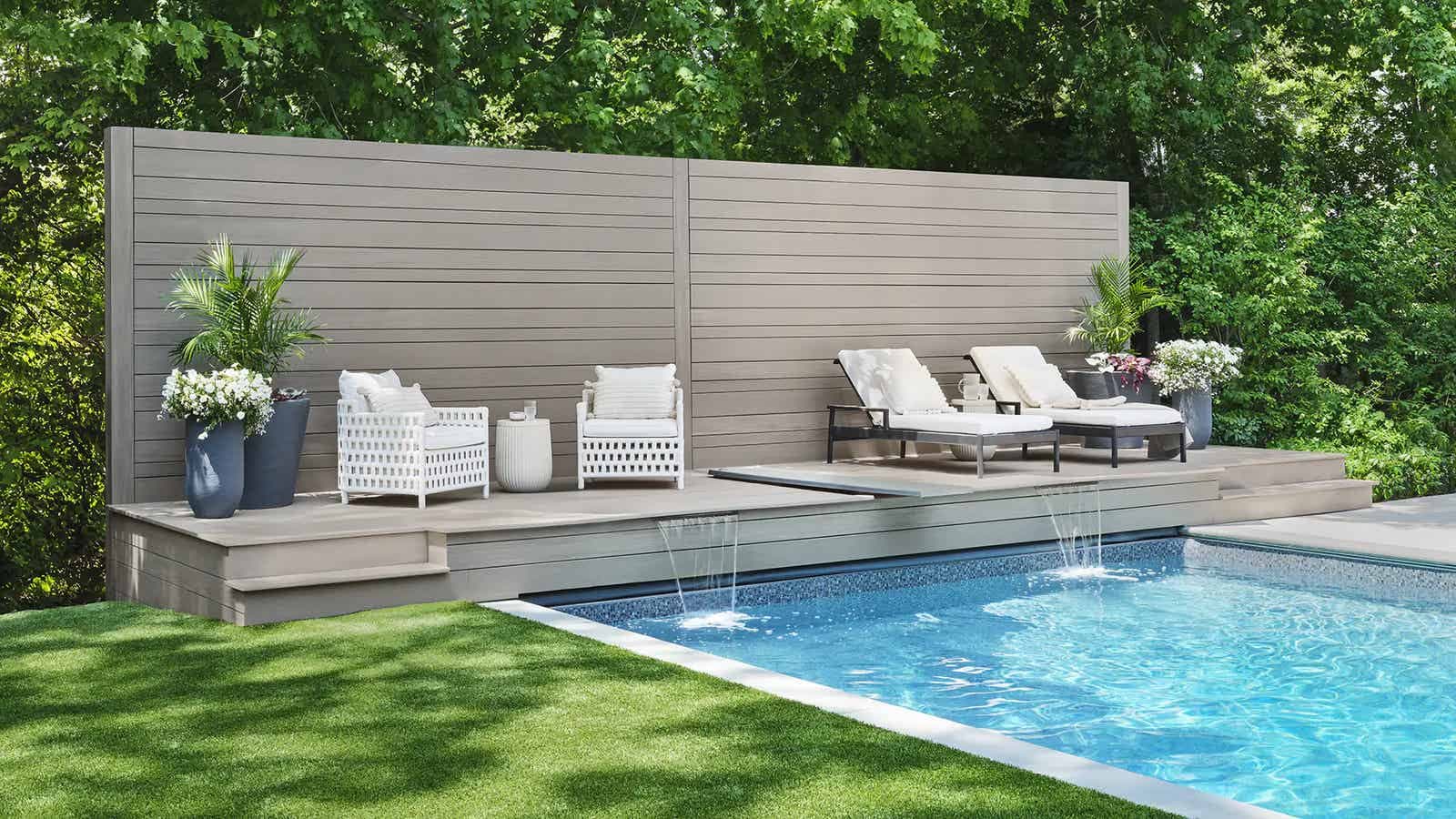
Understanding Courtyard Environments
Courtyards are defined by their enclosed or semi-enclosed nature. This often means less direct sunlight, reduced air circulation, and a greater potential for standing water or prolonged dampness. These conditions can accelerate wear on some decking materials. PVC decking, being 100% synthetic, is designed to be waterproof to its core, making it a suitable option where moisture exposure is a constant.
The limited footprint of many courtyards also necessitates careful planning of every square foot. A deck needs to provide usable seating and circulation space while accommodating planters, outdoor furniture, and pedestrian traffic. Material selection should support these uses without adding complexity to maintenance tasks.
Managing Moisture and Drainage
One of the primary concerns in a courtyard is effective water management. Rainwater, irrigation runoff, and even morning dew can linger due to reduced evaporation in enclosed spaces. Traditional wood decking can be susceptible to rot, mold, and mildew in persistently damp conditions. PVC decking, however, is formulated to resist these issues because it contains no wood fiber that can swell or rot.
When planning a PVC courtyard deck, ensure the underlying structure allows for proper drainage away from any adjacent buildings. This might involve a slight slope to the joists or a dedicated drainage system beneath the deck. While PVC boards themselves are waterproof, the area beneath the deck must still be designed to prevent water accumulation that could affect the foundation or create pest habitats. Consider the use of permeable surfaces or a French drain system around the perimeter if water tends to collect.
Balancing Shade and Sun Exposure
Courtyards often feature a mix of shaded and sun-exposed areas, sometimes within a small footprint. Trees, surrounding buildings, or overhead structures can create complex patterns of light and shadow throughout the day. Some decking materials can react differently to these varying conditions, potentially leading to uneven fading or temperature variations.
PVC decking is engineered with advanced capping that helps to resist fading and staining. Many PVC lines also offer heat-mitigating color options, which can be particularly beneficial for areas that receive intense, direct sun, helping to keep the deck surface cooler. For shaded areas, the material's resistance to mold and mildew growth is a significant advantage, maintaining a cleaner appearance with less effort.
When selecting a color, consider how it will appear in both bright sun and deep shade. Lighter colors may reflect more light and feel cooler, while darker tones can absorb heat but offer a richer aesthetic.
Designing for Usable Space and Aesthetics
In a courtyard, every design choice impacts the perception and usability of the space. PVC decking's consistent appearance and range of finishes, including options with deep wood looks, allow for versatile design. You can select board widths and lengths that minimize seams and create a cohesive look, making the space feel larger and more intentional.
Consider how the decking will integrate with other courtyard elements, such as planters, water features, or built-in seating. The low-maintenance nature of PVC means you spend less time on upkeep and more time enjoying the space. This is especially valuable in a courtyard where accessibility for maintenance tasks might be limited. The lightweight nature of PVC can also simplify installation, particularly for elevated decks or rooftop applications where material handling is a factor.
For a seamless transition, consider using matching PVC fascia and trim boards to finish the edges of the deck, creating a polished look that enhances the overall aesthetic of your courtyard. This attention to detail contributes to a high-quality finish.
Hypothetical Courtyard Deck Project Example
Imagine a small urban courtyard measuring 10 feet wide by 12 feet long, totaling 120 square feet. This courtyard is partially shaded by an adjacent building for half the day and receives direct sun in the afternoon. The homeowner wants a low-maintenance deck that can withstand moisture and provide a clean, modern aesthetic.
Let's assume we select TimberTech Azek PVC decking, which comes in 12-foot lengths and a 5.5-inch width. To cover the 10-foot width, we would need approximately 22 boards (10 feet / 5.5 inches per board = 120 inches / 5.5 inches A 21.8, rounded up to 22 boards). Since the courtyard is 12 feet long, each board can run the full length, minimizing cuts and waste. Therefore, 22 boards of 12-foot length would be a starting point for calculation. The total linear footage would be 22 boards * 12 feet/board = 264 linear feet.
This calculation is simplified and does not account for specific structural requirements or ledger attachment, which must be determined by a qualified professional. The waterproof nature of PVC allows it to perform well even with the varying light conditions and potential dampness inherent to this courtyard setting. The advanced capping would help maintain its appearance despite the sun exposure.
Before you order
- Assess courtyard dimensions and existing features (walls, windows, doors).
- Evaluate sunlight patterns and shaded areas throughout the day.
- Determine existing drainage and how water flows in the courtyard.
- Consider the desired aesthetic and how it complements your home's architecture.
- Plan for furniture placement and circulation pathways on the deck.
- Review local building codes and setback requirements for outdoor structures.
- Confirm the sub-structure design for proper ventilation and drainage.
- Select a PVC decking color and profile that suits both sun exposure and aesthetic goals.
- Factor in fascia boards, trim, and any railing requirements.
- Obtain a detailed material quote based on exact dimensions and chosen products.
Confirm installation details, approved uses and warranty terms in the current instructions for the exact product and profile. Your installer should verify the substrate, structure and applicable project requirements.
Questions to help you decide
Why is PVC decking particularly suitable for courtyards?
PVC decking is 100% synthetic and waterproof, meaning it won't swell, rot, or harbor mold and mildew, even in the damp, shaded conditions often found in courtyards. Its low-maintenance nature also makes it ideal for spaces where access for cleaning might be limited.
Does PVC decking get hot in direct sunlight?
While any surface can warm up in direct sun, many PVC decking lines offer heat-mitigating color options designed to keep the board surface cooler. Lighter colors generally absorb less heat than darker ones. It's important to consider the specific product and color choice in relation to your courtyard's sun exposure.
What kind of maintenance does PVC decking require in a courtyard?
PVC decking is known for its low maintenance. Typically, it requires only occasional cleaning with soap and water to remove dirt, pollen, and debris. Unlike wood, it does not need sanding, staining, or sealing. Regular cleaning helps prevent buildup, especially in shaded, damp courtyard environments.
Ready to Plan Your Courtyard Deck?
Request a material quote today. Provide your project dimensions, desired PVC decking profile, and ZIP code to confirm current availability and service options for your project. Our team can help you select the right materials for your courtyard's unique needs.
Request a material quote →