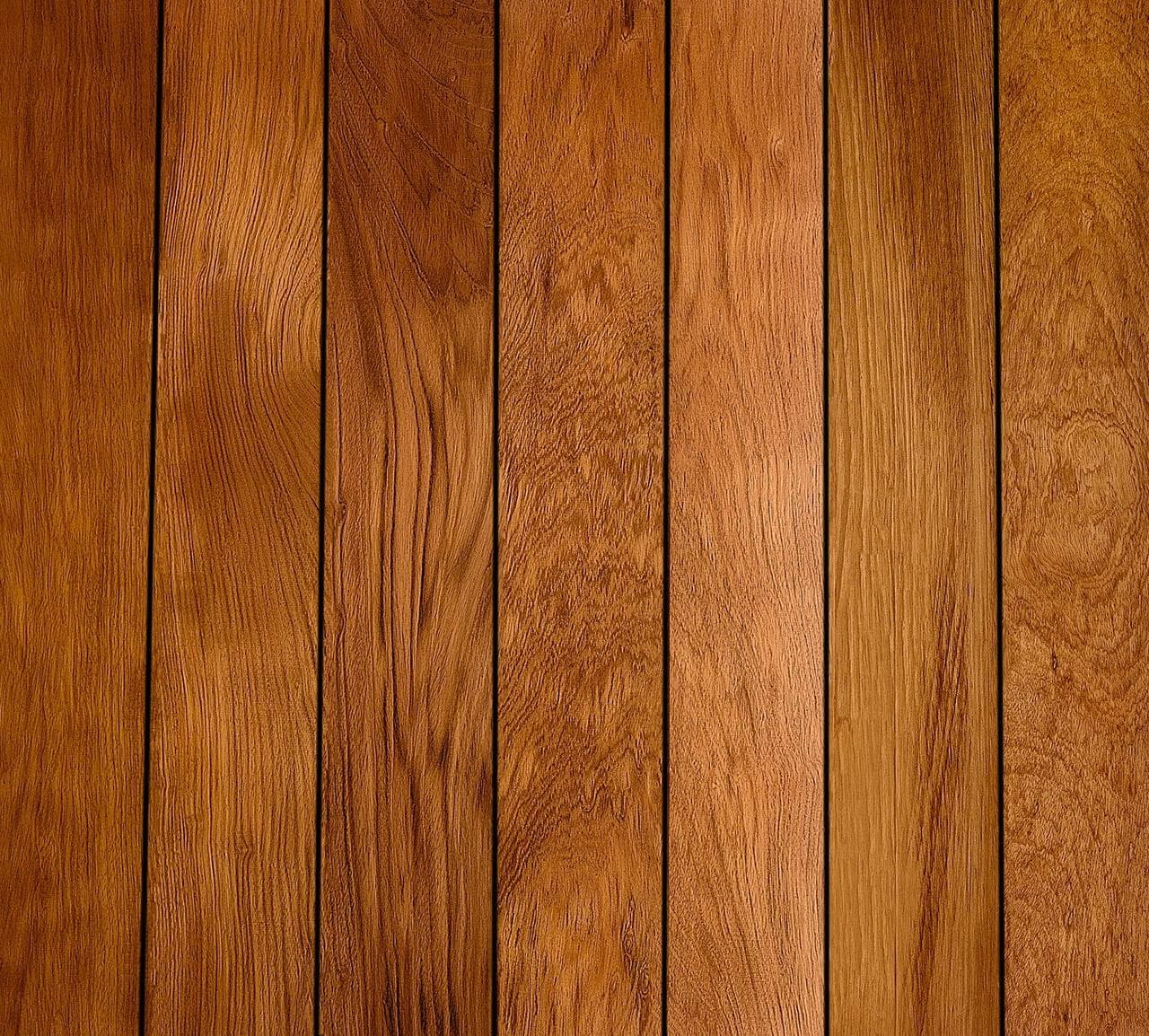
Understanding Jatoba for Stair Applications
Jatoba is a dense and durable hardwood, making it an excellent candidate for high-traffic areas such as deck stairs. The wood's natural resistance to mold, fungi, and termites further enhances its suitability for exterior use.
While Jatoba's durability is a significant advantage, its hardness also means that pre-drilling is recommended for fasteners to prevent splitting. This is especially important for stair components where secure connections are paramount. The wood's ability to be polished to a beautiful shine allows for a refined finish on stair treads and risers, complementing the main deck surface.
Jatoba's rich, deep red color, which intensifies with age, provides a distinctive aesthetic. Maintaining this color typically involves regular cleaning and the application of UV-inhibiting finishes, though the wood will naturally silver if left untreated.
Key Components of Deck Stairs
Deck stairs typically consist of several main components: stringers, treads, and risers. Stringers are the structural supports that run diagonally from the deck to the ground, carrying the weight of the stairs. Treads are the horizontal surfaces you step on, and risers are the vertical boards between the treads. Handrails and balusters are also essential for safety and code compliance.
For a cohesive Jatoba deck, the choice of material for each of these components is important. While Jatoba decking boards are ideal for treads and potentially risers, the structural stringers are typically built from pressure-treated lumber or other structural wood species, hidden beneath the finished surfaces. This approach combines the structural integrity of treated lumber with the aesthetic appeal and durability of Jatoba.
When planning, consider how the Jatoba decking profile, typically 5/4"x6" (actual 1" x 5.5"), will be adapted for treads and potentially risers. The uniform appearance across the deck and stairs creates a unified design.
Designing Jatoba Stair Treads and Risers
The most common application for Jatoba decking in stairs is for the treads. A single 5/4"x6" board can often serve as a tread, or multiple boards can be joined depending on the desired tread depth. Ensure that the tread depth meets local building code requirements for safety and comfort. For example, a typical minimum tread depth might be 10 inches.
For risers, you have the option of using Jatoba boards, or a contrasting material. Using Jatoba for risers creates a fully finished look, extending the hardwood aesthetic. If using Jatoba for risers, ensure proper fastening and consider the visual impact of the board orientation. Alternatively, painted or composite risers can offer a different design element while maintaining the Jatoba treads.
The spacing between Jatoba boards on the main deck is crucial for ventilation and drainage. For stair treads, a tighter fit or solid tread construction is often preferred for safety and to prevent objects from falling through. However, some minimal spacing is still advisable to allow for natural wood movement due to changes in humidity and temperature. Always refer to manufacturer guidelines for specific spacing recommendations for exterior applications.
Structural Considerations and Code Compliance
The structural integrity of your deck stairs is paramount. Stringers must be adequately sized and spaced to support the anticipated load. Local building codes specify requirements for stringer dimensions, spacing, and fastening to the deck frame and ground. It is crucial to consult these codes and, if necessary, an engineer or experienced contractor.
Fastening Jatoba treads and risers securely to the stringers is critical. Given Jatoba's hardness, pre-drilling for screws is essential to prevent splitting and ensure a strong connection. Use exterior-grade stainless steel or coated fasteners designed for hardwoods to resist corrosion and staining. Hidden fastening systems, similar to those used on the main deck, may be adaptable for treads to maintain a clean appearance, but always verify their suitability for stair applications.
Handrails and balusters are also subject to code requirements regarding height, graspability, and spacing. While Jatoba can be used for handrail components, its hardness may require specialized tools for shaping and finishing. Consider coordinating Jatoba treads with other materials for railings that meet both aesthetic and safety standards.
Worked Example: Calculating Jatoba Treads for a Small Deck Staircase
Let's consider a hypothetical staircase with a total rise of 36 inches and a desired individual riser height of 7.5 inches. This would require 36 / 7.5 = 4.8, so 5 risers, resulting in 4 treads (the top tread is typically the deck surface itself).
For a staircase with 4 treads, and using two 5/4"x6" boards per tread, you would need 4 treads x 2 boards/tread = 8 boards. If your stair width is 48 inches, you would need 8 boards, each cut to 48 inches. Given that Jatoba boards are available in lengths from 3 to 24 feet, you would purchase boards that allow for efficient cutting with minimal waste. For example, two 16-foot boards could yield eight 48-inch pieces (16 feet = 192 inches; 192 / 48 = 4 pieces per board). This would mean purchasing two 16-foot boards.
Finishing and Maintenance for Jatoba Stairs
Jatoba's natural color can be preserved and enhanced with the application of a high-quality UV-inhibiting oil or sealer. This also helps protect the wood from moisture and prevents the natural graying process that occurs with exposure to sunlight. Regular reapplication, typically annually or as needed based on exposure, will help maintain the rich, deep red tones.
Maintenance for Jatoba stairs is similar to that for a Jatoba deck. Regular cleaning to remove dirt, leaves, and debris is important. Use a broom, leaf blower, or soft-bristle brush. For deeper cleaning, a mild soap and water solution can be used, followed by a thorough rinse. Avoid harsh chemicals or pressure washers at high settings, as these can damage the wood fibers.
Inspect stairs periodically for any signs of wear, loose fasteners, or damage. Promptly address any issues to ensure the safety and longevity of the staircase. Given the constant traffic, stair treads may show wear more quickly than other deck surfaces, and can be sanded and refinished if necessary.
Before you order
- Verify local building codes for stair rise, run (tread depth), width, handrail height, and baluster spacing.
- Confirm structural stringer material and dimensions are adequate for the anticipated load.
- Select Jatoba 5/4"x6" boards for treads and consider them for risers to match the main deck.
- Plan for efficient cutting of Jatoba boards to minimize waste.
- Choose appropriate exterior-grade fasteners (stainless steel or coated) and plan for pre-drilling.
- Decide on the finishing treatment (e.g., UV-inhibiting oil) to preserve Jatoba's color.
- Review ventilation and drainage considerations for stair components.
Confirm installation details, approved uses and warranty terms in the current instructions for the exact product and profile. Your installer should verify the substrate, structure and applicable project requirements.
Questions to help you decide
Can Jatoba decking boards be used directly as stair treads?
Yes, Jatoba decking boards, such as the 5/4"x6" profile, are suitable for stair treads due to their high strength and durability. Depending on the desired tread depth, one or two boards may be used per tread. Always ensure proper fastening with pre-drilling and consider local building codes for tread dimensions.
What kind of fasteners should I use for Jatoba stairs?
Due to Jatoba's hardness, pre-drilling is essential before fastening. Use high-quality exterior-grade fasteners such as stainless steel screws or specially coated screws designed for hardwoods. These fasteners resist corrosion and provide a strong, lasting connection without staining the wood.
How do I maintain the color of Jatoba stairs?
To maintain Jatoba's rich, deep red color, apply a UV-inhibiting oil or sealer regularly. This helps protect the wood from sunlight, which can cause it to gray over time. Routine cleaning with mild soap and water will also help keep the stairs looking their best.
Request a Material Quote for Your Jatoba Deck and Stairs Project
Ready to build or renovate your deck with beautiful and durable Jatoba? Contact us with your project dimensions, desired Jatoba profile, and ZIP code to receive a material quote. Our team can help confirm current availability and service options for your specific needs.
Request a material quote →