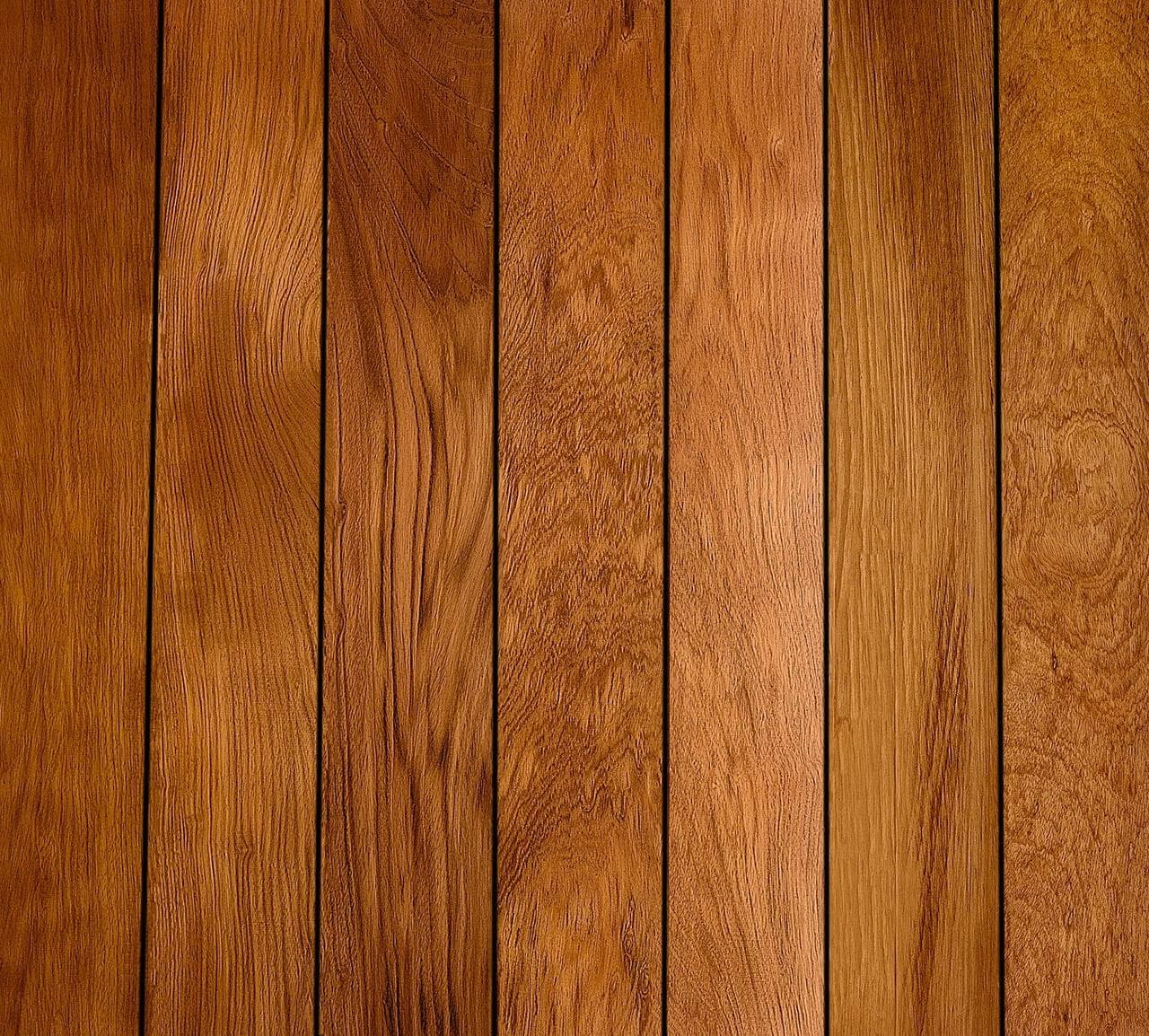
Understanding Jatoba's Natural Characteristics and Appearance
Jatoba, or Brazilian Cherry, is a hardwood known for its rich, deep red color that develops over time. When first installed, it may present a lighter, more vibrant hue, which gradually darkens and deepens as it ages and is exposed to sunlight. This color evolution is a key characteristic and part of its appeal.
Beyond its color, Jatoba is highly regarded for its strength and durability. These properties contribute to its resistance to decay, mold, fungi, and termites, making it a robust choice for exterior applications. Understanding these inherent qualities helps set realistic expectations for its long-term performance and appearance.
Jatoba is also noted for its ability to be polished to a beautiful shine, a characteristic that can be maintained through regular cleaning and appropriate finishing. This natural luster, combined with its resistance to environmental factors, makes it a durable and visually striking material for decking and other outdoor joinery.
Routine Cleaning and Debris Removal
Regular cleaning is fundamental to preserving the appearance and extending the life of your Jatoba deck. Debris such as leaves, dirt, pollen, and other organic matter can accumulate on the deck surface. If left unchecked, this debris can trap moisture, potentially leading to mildew growth or staining, especially in shaded or damp areas.
A simple routine involves sweeping the deck regularly to remove loose debris. For more stubborn dirt or grime, a soft-bristle brush and a mild soap solution mixed with water can be effective. Always rinse the deck thoroughly with clean water after cleaning to remove any soap residue. Avoid using high-pressure washers, which can damage the wood fibers and potentially compromise the surface integrity of the decking.
Frequency of cleaning will depend on your local environment and the amount of use your deck receives. Decks located near trees or in high-traffic areas may require more frequent attention than those in open, sunny locations.
Considering Finishes and Their Impact on Maintenance
Jatoba decking can be left unfinished to weather naturally, or it can be treated with a finish to maintain its original color or enhance its luster. If left unfinished, Jatoba will gradually gray over time, a natural process for many hardwoods when exposed to the elements. This silver-gray patina is preferred by some owners for its rustic aesthetic.
To preserve the deep red tones and protect the wood from UV radiation, a penetrating oil finish or a suitable sealant can be applied. These finishes typically require reapplication every one to three years, depending on the product, sun exposure, and local climate conditions. Applying a finish involves cleaning the deck, allowing it to dry completely, and then applying the product according to the manufacturer's instructions.
Choosing a finish impacts the maintenance schedule. An unfinished deck requires less frequent reapplication work but will change color. A finished deck will retain more of its initial color but requires periodic reapplication of the chosen product. Always test any new cleaning or finishing product on an inconspicuous area first to ensure compatibility and desired results.
Addressing Stains and Mildew
Despite its natural resistance, Jatoba decking can still develop stains or mildew under certain conditions, particularly in areas with persistent dampness or shade. Prompt attention to these issues is key to preventing them from becoming more widespread or deeply set.
For mildew or algae growth, a specialized deck cleaner formulated for hardwoods can be used. Follow the product instructions carefully, ensuring proper ventilation and protective gear. For oil-based stains, gentle scrubbing with a mild detergent and water may be sufficient. Always rinse thoroughly to remove all cleaning agents.
Preventative measures include ensuring good air circulation around and under the deck, trimming back overhanging vegetation, and promptly removing wet leaves or other organic debris. For decks with winter exposure, ensuring proper drainage and avoiding prolonged snow or ice accumulation can also help.
Hypothetical Maintenance Schedule for a 12x16-foot Jatoba Deck
Let's consider a hypothetical 12-foot by 16-foot Jatoba deck, totaling 192 square feet, that is finished with a penetrating oil to maintain its reddish hue. The deck receives moderate sun exposure and is located in an area with deciduous trees nearby.
**Weekly (or as needed):** Sweep the deck to remove leaves, dirt, and any other loose debris. This takes approximately 5-10 minutes.
**Quarterly:** Inspect the deck for any signs of mildew, stains, or accumulated grime. If present, clean with a soft brush, mild soap, and water. Rinse thoroughly. This task might take 30-60 minutes, depending on the extent of cleaning required.
**Annually (Spring/Early Summer):** Perform a thorough cleaning of the entire deck surface. This involves removing all furniture, sweeping, scrubbing with a deck cleaner, and rinsing. Allow to dry completely. This could take 2-4 hours.
**Every 1-2 Years:** Reapply the penetrating oil finish. This involves the annual thorough cleaning, followed by the application of the oil according to the manufacturer's instructions. Ensure the deck is completely dry before application. The exact frequency depends on the product and how well the finish holds up to local conditions.
This schedule provides a general framework. Adjustments may be needed based on actual usage, weather patterns, and the specific finish product chosen. For instance, a deck in a heavily shaded area might require more frequent mildew treatment, while one in constant direct sun might need more frequent finish reapplication.
Before you order
- Consider the desired aesthetic: natural graying vs. color retention with a finish.
- Evaluate your willingness to commit to periodic cleaning and potential finish reapplication.
- Assess the deck's exposure to sun, shade, and organic debris.
- Research compatible cleaning and finishing products for Jatoba.
- Factor in the time and cost of maintenance when budgeting for your deck project.
Confirm installation details, approved uses and warranty terms in the current instructions for the exact product and profile. Your installer should verify the substrate, structure and applicable project requirements.
Questions to help you decide
How often should I clean my Jatoba deck?
Regular sweeping to remove debris should be done weekly or as needed. A more thorough cleaning with mild soap and water is recommended quarterly or at least annually, depending on environmental factors and usage. This helps prevent the buildup of dirt and mildew.
Will my Jatoba deck change color over time?
Yes, Jatoba, also known as Brazilian Cherry, is known for its deep red color. If left unfinished and exposed to UV light, it will naturally weather to a silver-gray patina. If you prefer to maintain its original rich color, a penetrating oil finish or sealant should be applied and periodically reapplied.
What kind of finish should I use on Jatoba decking?
For Jatoba decking, a penetrating oil finish is generally recommended to protect the wood and enhance its natural color. These finishes soak into the wood rather than forming a film on the surface, allowing the wood to breathe. Always choose a product specifically designed for exterior hardwoods and follow the manufacturer's application instructions.
Ready to Plan Your Jatoba Deck Project?
Request a material quote with your project dimensions, desired profile, and ZIP code to confirm current availability and service options for Jatoba decking. Explore our full range of decking materials, including other hardwoods like Ipe, composite, and PVC options.
Request a material quote →