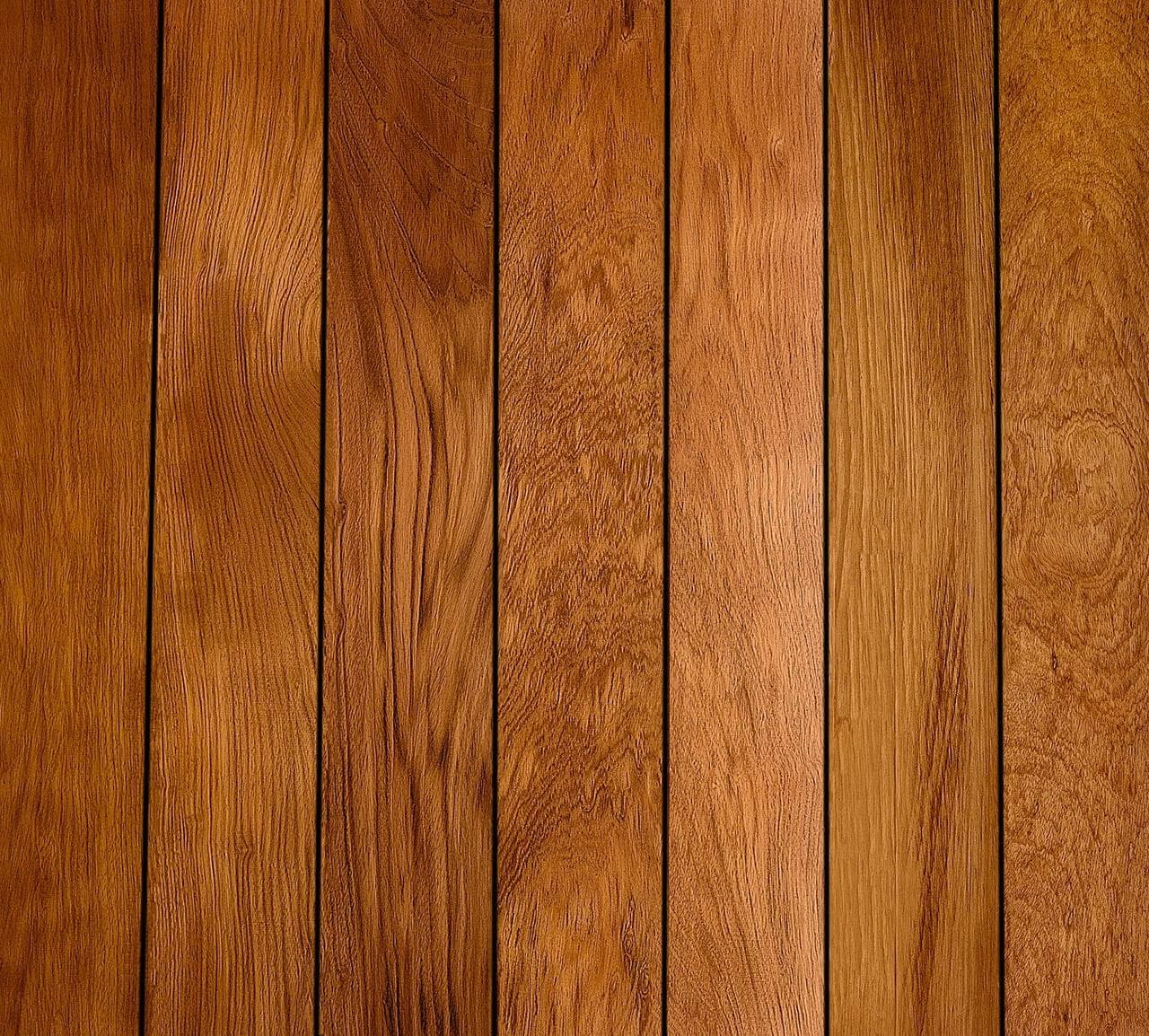
Understanding Jatoba Decking as a Material Choice
Jatoba, also known as Brazilian Cherry, is a high-strength, very durable hardwood originating from Brazil. It is recognized for its deep red color that develops through aging and its natural resistance to termites and weather changes. These characteristics contribute to its suitability for outdoor construction projects like decking.
This inherent strength and resistance can influence long-term maintenance costs and overall project value. It is also naturally resistant to mold and fungi.
When considering Jatoba, it's important to note that pre-drilling is recommended during installation due to its hardness. Its tannins may also complicate gluing, and slow drying is advised if working with raw lumber for other applications. For decking, kiln-dried (KD) material is typically supplied in profiles like 5/4"x6" (actual 1" x 5.5") in lengths ranging from 3 to 24 feet.
Material Quantity Takeoff for Decking Boards
The first step in budgeting is an accurate material takeoff. For a 10-foot by 12-foot deck, the surface area is 120 square feet. Jatoba decking boards are commonly available in 5/4"x6" (actual 1" x 5.5") profile. To calculate the linear footage needed, we account for the board width and a typical spacing gap.
To cover the 10-foot (120-inch) width of the deck, you would need approximately 120 inches / 5.625 inches/board = 21.33 boards. Rounding up to 22 boards for full coverage.
Therefore, the total linear footage required is 22 boards * 12 feet/board = 264 linear feet. However, it's always prudent to add a waste factor, typically 10-15%, to account for cuts, defects, and future repairs. For this project, adding 15% waste brings the total to 264 * 1.15 = 303.6 linear feet. Since boards are sold in specific lengths (e.g., 3-24 ft), you would purchase the closest combination of available lengths to meet or exceed this linear footage, minimizing waste.
For example, if 12-foot lengths are readily available, you would need 304 linear feet / 12 feet/board = 25.33 boards. You would purchase 26 boards of 12-foot length. If 20-foot lengths are available, you would need 304 linear feet / 20 feet/board = 15.2 boards, so you would purchase 16 boards of 20-foot length. This choice impacts both cost and potential waste.
Fasteners and Hidden Fastening Systems
Jatoba can be face-fastened or installed with hidden fastening systems. Always purchase more than the exact count to account for dropped or damaged screws.
Hidden fastening systems offer a cleaner look but generally involve a higher material cost per square foot for the clips and specialized screws. These systems vary by manufacturer, so consult the specific product documentation for quantity recommendations. Some systems require a starter clip and an end clip, in addition to clips for each joist. The total cost for fasteners, whether face-fastened or hidden, should be itemized separately from the decking material.
Substructure Materials and Accessories
The decking boards are only one part of the structure. Your budget must also include the substructure: joists, beams, posts, and concrete footings. For a 10x12 deck, you would need pressure-treated lumber for these components.
Consider other accessories: flashing tape for joist protection, deck ledger flashing if attaching to a house, and possibly a railing system (posts, balusters, handrails). If the deck is elevated, stair stringers, treads, and risers will also be required. Each of these components adds to the material cost and should be quantified based on your specific deck design.
For example, a basic railing for our 10x12 deck (assuming one 12-foot side and two 10-foot sides need railing) would require 32 linear feet of railing material, plus posts and balusters. This can add significantly to the budget, especially if using a premium material or design.
Labor, Tools, and Contingency
Labor costs can be a significant portion of the total budget. Obtain multiple quotes from licensed contractors, ensuring they specify their rates and what is included (e.g., demolition, construction, waste removal). For a DIY project, consider tool rental costs for items like miter saws, drills, and specialized decking tools.
Always include a contingency fund, typically 10-20% of the total project cost. This covers unforeseen expenses like material damage, design changes, or unexpected site conditions. For example, if the initial subgrade requires more excavation or fill than anticipated, the contingency can absorb these costs without derailing the project.
Finishing and Maintenance Materials
While Jatoba is naturally durable, it can be polished to a beautiful shine and its color deepens with age. You might choose to apply a UV-protective finish to maintain its rich color or allow it to weather naturally to a silver-gray patina. Factor in the cost of suitable deck cleaners, sealers, or stains, along with application tools.
Consider ongoing maintenance costs, such as periodic cleaning and reapplication of finishes. While not part of the initial construction budget, understanding these long-term costs helps provide a complete picture of ownership. Jatoba's natural resistance to mold and fungi can reduce some maintenance efforts, but regular cleaning is still advised.
Before you order
- Confirm final deck dimensions and layout.
- Calculate linear footage of Jatoba decking boards, including waste factor.
- Choose between face-fastening and hidden fastening systems and quantify.
- Detail all substructure components: joists, beams, posts, footings.
- Identify and quantify all accessories: flashing, railings, stairs.
- Obtain quotes for professional labor or list DIY tool rental costs.
- Allocate 10-20% for project contingency.
- Budget for initial finishing materials (cleaners, sealers/stains) and application tools.
- Research ongoing maintenance product costs for long-term planning.
Confirm installation details, approved uses and warranty terms in the current instructions for the exact product and profile. Your installer should verify the substrate, structure and applicable project requirements.
Questions to help you decide
What is Jatoba decking?
Jatoba, also known as Brazilian Cherry, is a high-strength, very durable hardwood originating from Brazil. It is valued for its deep red color, which develops with age, and its natural resistance to termites, mold, fungi, and weather changes. It is a popular choice for outdoor decking due to its longevity and aesthetic appeal.
How do I estimate the amount of Jatoba decking boards I need?
To estimate, calculate the total square footage of your deck. Then, divide this by the square footage covered by a single board (board width plus a typical gap, multiplied by its length). Always add a waste factor of 10-15% to account for cuts, trimming, and potential defects. Purchase in full board lengths that minimize offcuts for your specific layout.
What other materials should I budget for besides the decking boards?
Beyond the decking boards, you'll need to budget for substructure materials (joists, beams, posts, footings), fasteners (screws or hidden clips), and any accessories like railings, stairs, and flashing. Don't forget finishing products like sealers or stains, and a contingency fund for unexpected expenses.
Request a Quote for Your Jatoba Decking Project
Ready to bring your Jatoba deck to life? Provide your project dimensions, desired Jatoba profile, and ZIP code to request a material quote. We can help you confirm current availability and service options for your project.
Request a material quote →