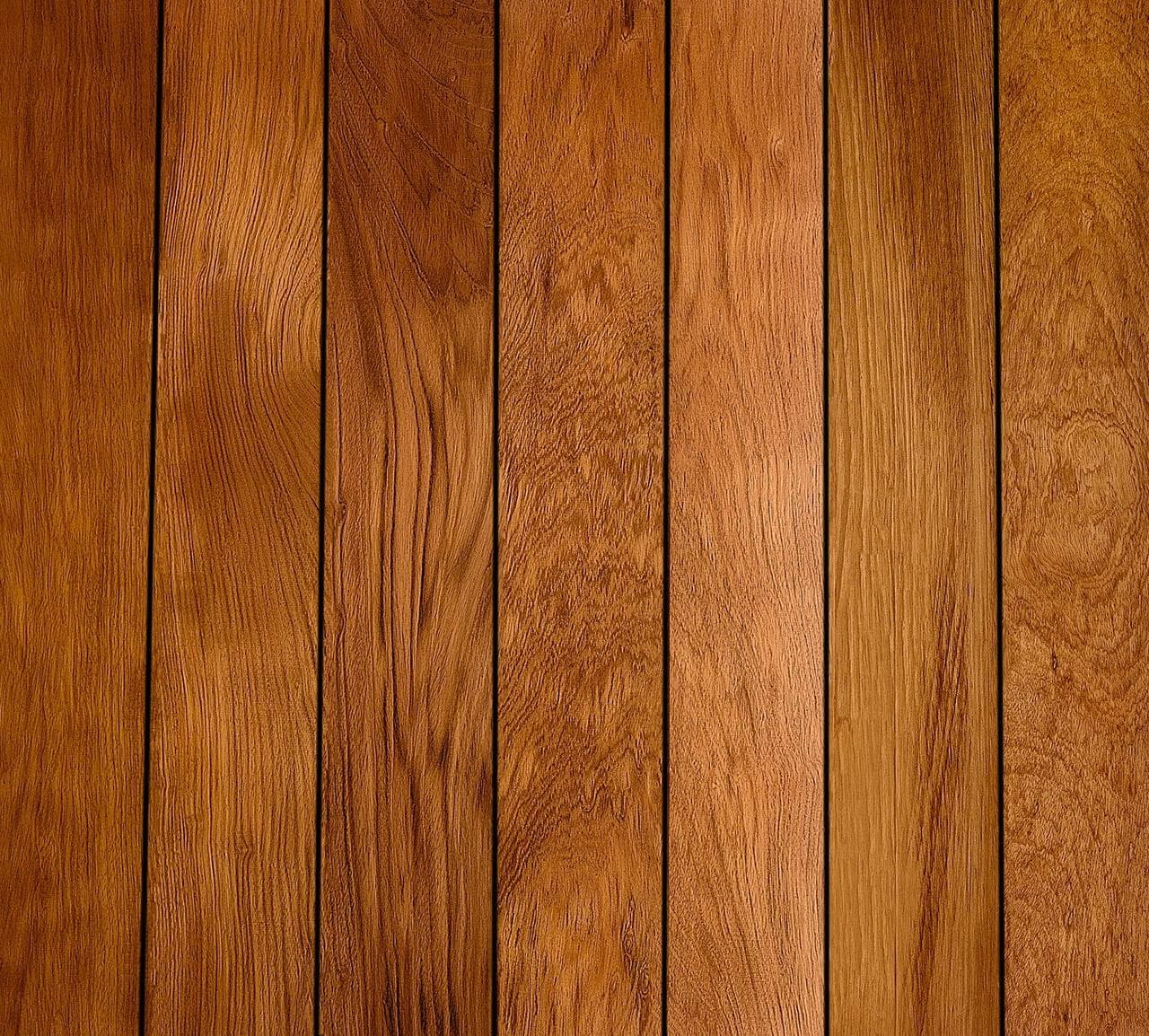
Jatoba's Natural Color and Aging Process
Jatoba is celebrated for its distinctive coloration, often described as a deep red or reddish-brown. This wood earns its nickname, "Brazilian Cherry," from the vibrant cherry-like hues it develops as it ages.
When first installed, Jatoba typically presents with a lighter, sometimes salmon-pink to orange-brown tone. Over time, and with exposure to UV light and the elements, the wood undergoes a natural oxidation process, deepening into a richer, more pronounced red. This color transformation is a characteristic feature of Jatoba and contributes to its lasting appeal.
Understanding this natural aging is crucial. If you desire the deepest red tones from the outset, you might consider a finish that accelerates this process or enhances the underlying red pigments. Conversely, if you prefer to preserve a lighter appearance, certain UV-inhibiting finishes can slow the darkening, though some color change is inevitable with natural wood.
This inherent durability also means it holds up well to various finishes.
For more details on Jatoba's properties, refer to our product page: [Jatoba Decking](/decking/hardwood/jatoba).
The Impact of Natural Light on Jatoba's Appearance
Natural light plays a significant role in how Jatoba decking appears throughout the day and across seasons. Direct sunlight will highlight the wood's grain and bring out its warmer, redder tones. In contrast, shaded areas may appear slightly darker or more muted.
Consider the orientation of your deck. A south-facing deck will experience more intense, prolonged sun exposure, which can accelerate the natural darkening process of Jatoba. A north-facing or heavily shaded deck might retain its initial lighter tones for longer.
The time of day also affects color perception. Morning light, often softer and cooler, might emphasize different aspects of the wood's color compared to the warmer, golden hues of late afternoon sun. Observing physical samples of Jatoba decking in the actual location of your project, at various times, can provide valuable insight into how the color will truly present.
This natural interplay of light and wood color means that the "perfect" shade is often a dynamic experience, not a static one. Embracing this variability is part of enjoying natural hardwood decking.
Enhancing Color with Finishes: Oils vs. Sealants
Finishes are not just for protection; they are essential for defining the final color and luster of your Jatoba deck. You generally have two primary approaches: penetrating oils and surface sealants.
Penetrating oils soak into the wood fibers, nourishing them and enhancing the natural color without forming a film on the surface. These often bring out the deep reds and browns of Jatoba, giving it a rich, matte, or satin appearance. Oils can also help to stabilize the wood and reduce checking. Many oils contain UV inhibitors to slow down the graying process, but they will still allow the wood to darken naturally over time.
Surface sealants, such as clear coats or varnishes, form a protective layer on top of the wood. These can offer excellent UV protection and moisture resistance, often resulting in a glossier finish. While some sealants are truly clear, others may have a slight amber tint that can warm the wood's tone. If you want to maintain a specific color, choosing a sealant with appropriate pigmentation or UV protection is key.
When choosing a finish, always test it on a scrap piece of Jatoba or an inconspicuous area of the deck to ensure the desired color and appearance before applying it to the entire surface. The final look can vary significantly based on the specific product and application method.
Hypothetical Example: Decking for a Shaded Courtyard
Consider a hypothetical 12-foot by 16-foot courtyard deck, primarily shaded by an overhang and a mature tree. The homeowner desires to enhance the deep red tones of Jatoba while protecting it from moisture and occasional direct sun exposure.
Initial observations of raw Jatoba samples in the courtyard show a lighter, almost orange-brown hue due to the limited direct sunlight. The homeowner wants to achieve a richer, more saturated red.
After researching, they decide on a penetrating oil finish specifically formulated for exotic hardwoods, containing a red pigment and UV inhibitors. They test the oil on a 1-foot section of an offcut board. The test swatch, observed over a few days, shows a noticeable deepening of the red color, closer to the desired 'Brazilian Cherry' look, while still allowing the natural grain to show through.
This approach balances the desire for a specific color with the practicalities of a shaded environment and the natural characteristics of Jatoba.
This example demonstrates how selecting a finish with a specific pigment can help achieve a desired color profile, especially in conditions where natural darkening might be slower.
Coordinating with Adjacent Materials and Structures
The color and finish of your Jatoba decking should harmonize with the surrounding elements of your outdoor space. Consider the color of your home's siding, trim, landscaping, and any adjacent hardscaping materials like stone or concrete.
For instance, if your home features warm earth tones, a finish that emphasizes Jatoba's deep reds can create a cohesive and inviting look. If your house has cooler grey or blue tones, a more natural oil finish that allows the wood's inherent warmth to provide contrast might be appealing.
Also, think about railings, pergolas, or other deck accessories. Do you want them to match the deck's color exactly, or provide a complementary contrast? For example, black metal railings can create a striking modern contrast against the rich red of Jatoba, while cedar or redwood railings might blend more seamlessly with a similar stained finish.
Bringing samples of your chosen finishes and Jatoba boards to compare with existing materials in your outdoor space is crucial for making a coordinated decision. This step helps visualize the overall aesthetic before committing to a particular finish.
Before you order
- Obtain physical samples of Jatoba decking.
- Place samples in various locations on your project site to observe color in different lighting conditions (sun, shade, morning, afternoon).
- Consider the natural aging process of Jatoba and whether you want to accelerate or slow down the darkening.
- Decide between a penetrating oil (enhances natural color, matte/satin finish) and a surface sealant (forms a protective film, potentially glossier).
- If using a finish, test it on a scrap piece or inconspicuous area of Jatoba.
- Compare the finished Jatoba sample with your home's exterior, landscaping, and other outdoor structures.
- Factor in the maintenance requirements of your chosen finish and how it aligns with your long-term upkeep plan.
Confirm installation details, approved uses and warranty terms in the current instructions for the exact product and profile. Your installer should verify the substrate, structure and applicable project requirements.
Questions to help you decide
Will Jatoba decking always turn dark red?
Jatoba, also known as Brazilian Cherry, naturally darkens and develops richer red tones over time due to UV exposure and oxidation. While finishes can help maintain or enhance these colors, some degree of color change is a characteristic of this natural hardwood. UV-inhibiting finishes can slow the process, but not entirely prevent it.
Can I stain Jatoba decking to a different color?
While Jatoba can be stained, its natural deep red and dense grain mean it may not take lighter stains easily or achieve drastically different colors without significant preparation. Penetrating oils with pigments are often more effective for enhancing or slightly adjusting its existing rich tones rather than completely changing them. Always test any stain on a scrap piece first.
How often do I need to reapply finishes to maintain Jatoba's color?
The frequency of reapplication depends on the type of finish, local climate, and sun exposure. Penetrating oils typically require reapplication every 1-3 years to maintain color and protection. Surface sealants may last longer but can show wear more visibly. Regular cleaning and inspection will help determine when reapplication is necessary.
Ready to Plan Your Jatoba Decking Project?
Request a material quote with your project dimensions, desired profile, and ZIP code to confirm current availability and service options. Explore our full range of [Jatoba Decking](/decking/hardwood/jatoba) and other [Hardwood Decking](/decking/hardwood) options today.
Request a material quote →