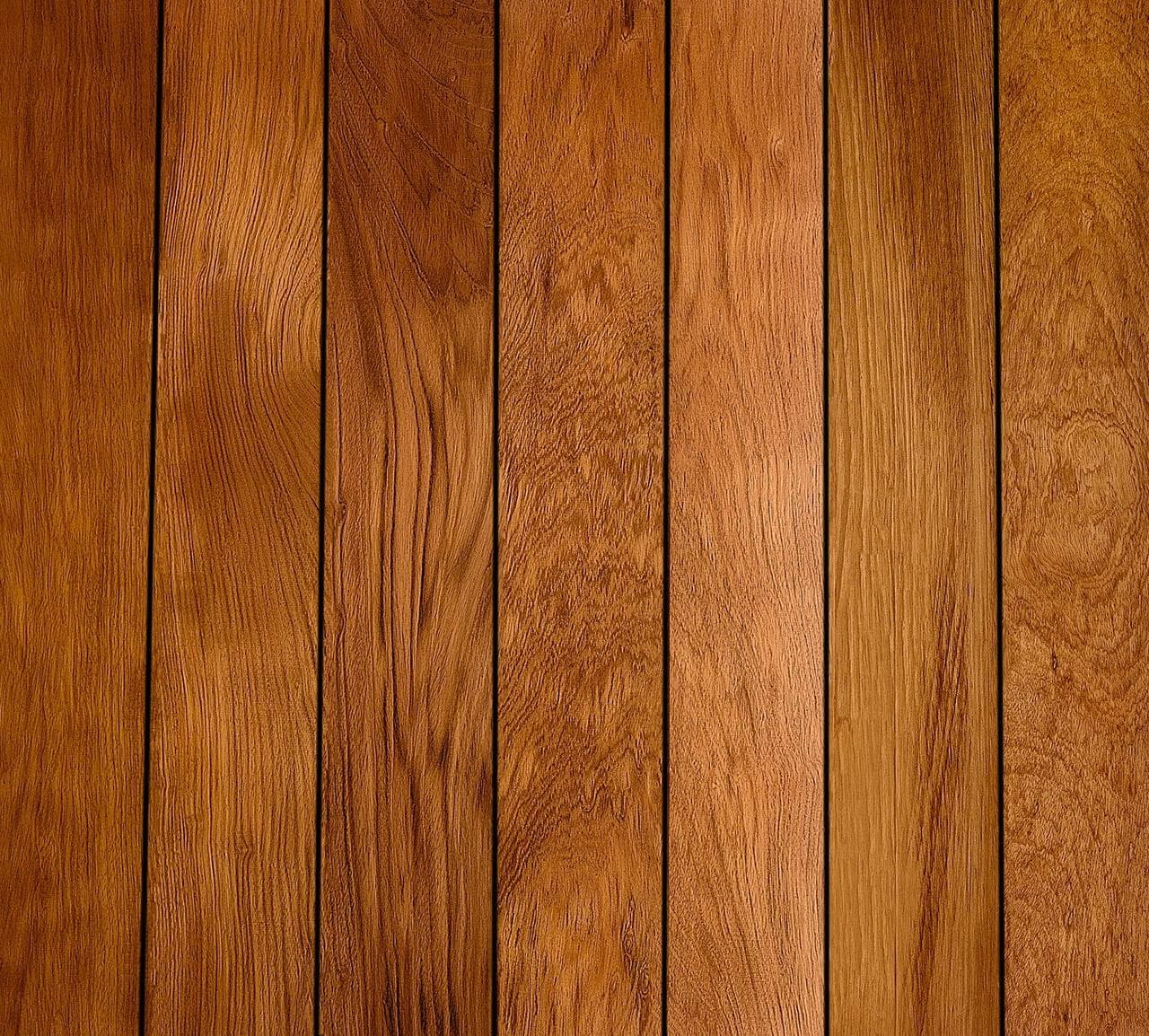
Understanding Jatoba's Natural Characteristics
Before evaluating samples, it's helpful to understand the inherent qualities of Jatoba. It is naturally resistant to mold, fungi, and termites. (S1)
Jatoba's color is a significant draw; it's nicknamed "Brazilian Cherry" because of the deep red hues it develops as it ages. When you receive a sample, note its initial color and consider how it might evolve over time with exposure to UV light and the elements. This natural aging process is part of its appeal and contributes to its unique character. (S1)
Evaluating Samples Under Different Lighting Conditions
The appearance of Jatoba can vary significantly depending on the lighting. What looks appealing under indoor artificial light might appear different in natural sunlight or shade. Take your samples outdoors to the exact location where the decking will be installed.
Observe the samples at different times of the day: morning, midday, and late afternoon. Pay attention to how direct sunlight, dappled shade, and overcast conditions affect the wood's color, grain, and overall vibrancy. A deep red might appear warmer in direct sun and more subdued in shade. This step is critical for understanding the true visual impact of the decking throughout the day and across seasons. (S2)
Assessing Texture and Profile
Jatoba decking is available in specific profiles, such as 5/4"x6" (actual 1" x 5.5"), typically kiln-dried (KD) and in lengths ranging from 3 to 24 feet. (S1) When reviewing samples, pay close attention to the board's texture. Run your hand across the surface. Does it feel smooth or have a slight texture? This tactile experience is important, especially for areas where people might walk barefoot.
Consider the profile of the sample. While the general appearance is important, the exact milling and edge profile will affect the final look and feel of your deck. Confirm that the sample represents the specific profile you intend to order. This helps visualize how the individual boards will fit together and contribute to the overall surface. (S1)
Coordinating with Adjacent Finishes and Materials
Your new Jatoba deck won't exist in isolation. Place your samples next to other materials that will be part of your outdoor space. This could include house siding, trim colors, patio furniture, railings, landscaping elements, or even existing hardscaping like stone pavers.
For example, if your house has a light-colored stucco, how does the rich red of Jatoba complement it? Does it create a pleasing contrast or clash? If you plan to use metal railings, hold the Jatoba sample against them to see how the finishes interact. This holistic approach helps ensure that your decking choice harmonizes with the broader design of your home and yard. (S2)
Decoding Sample Labels and Specifications
Each sample should come with a label or accompanying documentation. These labels are not just for identification; they contain crucial information. Verify the botanical name (Hymenaea courbaril) and common name (Jatoba, Brazilian Cherry). (S1)
Look for details on the specific profile, such as the nominal and actual dimensions (e.g., 5/4"x6" nominal, 1" x 5.5" actual). (S1) Note if the wood is kiln-dried (KD), as this affects its stability. Any information regarding the grade or finish (if applicable) is also vital. Do not assume all samples of a species are identical; verify the specifics of each one you receive.
Consider a hypothetical project: a 12-foot by 16-foot deck. You've received a 1-foot length sample of 5/4"x6" Jatoba. The label confirms it's kiln-dried. You place it on your existing concrete patio, which abuts the house's cream-colored siding. You observe it throughout the day. In the morning sun, the deep red appears vibrant. By late afternoon, in partial shade from a nearby tree, the color is richer and more subdued, complementing the siding. You also place it next to a sample of your chosen dark bronze railing, noting how the two materials create a sophisticated contrast. This detailed observation, guided by the sample label, helps confirm your selection.
Before you order
- Have I examined the samples in the actual project location?
- Have I observed the samples under different natural lighting conditions (morning, midday, afternoon, overcast)?
- Have I assessed the tactile feel and visual texture of the wood sample?
- Does the sample profile match the intended product order?
- Have I compared the Jatoba samples against all adjacent materials (siding, trim, railings, furniture, landscaping)?
- Have I verified all information on the sample label (species, dimensions, drying method)?
- Am I comfortable with the potential color aging and natural variations of Jatoba?
- Does the sample's appearance align with my overall design vision for the outdoor space?
Confirm installation details, approved uses and warranty terms in the current instructions for the exact product and profile. Your installer should verify the substrate, structure and applicable project requirements.
Questions to help you decide
What should I look for when evaluating Jatoba decking samples?
When evaluating Jatoba decking samples, look for consistency in color and grain, but also appreciate the natural variations inherent in hardwood. Observe how the wood appears under various lighting conditions, next to your home's exterior, and against other planned outdoor elements. Pay attention to the texture and the specific profile of the sample to ensure it meets your aesthetic and functional expectations. Verify all details on the sample label, such as dimensions and drying method.
How does Jatoba's color change over time?
Jatoba, also known as Brazilian Cherry, is known for its tendency to deepen in color as it ages and is exposed to natural elements and UV light. It typically develops richer, deeper red hues over time. This natural aging process is a characteristic feature of the wood and contributes to its unique appeal. When evaluating samples, consider both the initial color and how it might evolve.
Why is it important to compare samples with existing materials?
Comparing Jatoba samples with existing materials like house siding, trim, railings, and landscaping is crucial for ensuring design harmony. A deck is an integral part of your outdoor living space, and its appearance should complement its surroundings. This comparison helps you visualize the overall aesthetic, identify potential clashes, and confirm that your decking choice enhances the existing architectural and landscape features of your property.
Ready to Plan Your Jatoba Decking Project?
Request a material quote today. Provide your project dimensions, desired Jatoba profile, and ZIP code to confirm current availability and service options for your area. Explore our full range of decking options, including other hardwoods like Ipe, composite, and PVC decking, to find the perfect fit for your outdoor space.
Request a material quote →