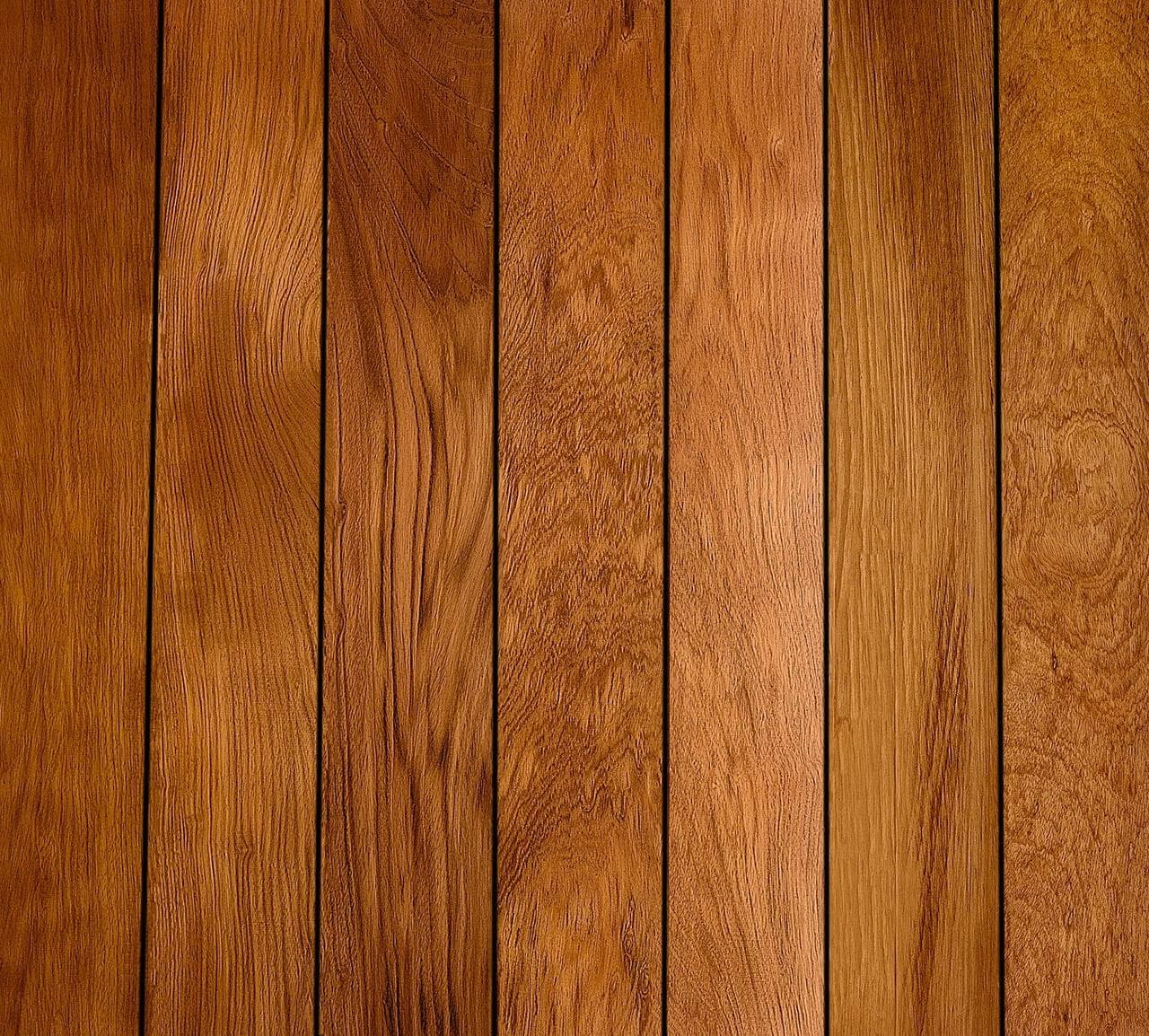
Why Board Spacing Matters for Jatoba Decking
Jatoba is a dense hardwood, and like all wood, it will expand and contract with changes in moisture and temperature. This natural movement is significant for deck boards. Adequate spacing allows for this movement without boards pushing against each other (leading to buckling) or pulling too far apart (creating unsightly and potentially hazardous gaps).
Proper spacing also facilitates drainage, preventing water from pooling on the deck surface, which can contribute to mildew or premature wear. Good air circulation through the gaps helps the deck dry quickly after rain or cleaning, further enhancing its durability and resistance to mold and fungi, to which Jatoba is naturally resistant.
Factors Influencing Jatoba Decking Board Spacing
Several key factors dictate the appropriate spacing for your Jatoba deck boards:
Board Width and Profile: The width of your Jatoba boards directly impacts how much they will expand or contract. Wider boards generally require slightly more space to accommodate greater movement. Lumber Plus offers Jatoba decking in a 5/4"x6" profile, which translates to an actual dimension of 1" x 5.5". This specific width is a primary input for spacing calculations.
Moisture Content at Installation: This is perhaps the most critical factor. Jatoba decking, often kiln-dried (KD), will seek to equalize its moisture content with the ambient humidity. If boards are installed when very dry, they will absorb moisture and expand. If installed when wet, they will dry out and shrink. Knowing the current moisture content and the average local humidity helps determine if you need to install with tighter gaps (for expected expansion) or wider gaps (for expected shrinkage).
Environmental Conditions: Consider your local climate. Areas with high humidity fluctuations or significant seasonal changes in temperature will experience more wood movement. Coastal regions, for example, might have different considerations than very dry inland areas. While Jatoba is resistant to weather changes, planning for these conditions during installation is essential.
Fastener Type: The type of fastener you choose can also subtly influence spacing. Hidden fasteners often have a built-in spacing mechanism, while face-fastened boards allow for more manual control over the gap. Always consult the fastener manufacturer's recommendations for compatibility with hardwood decking.
Calculating Spacing: A Practical Example for 5.5-inch Jatoba Boards
Let's consider a hypothetical scenario: you are installing 1" x 5.5" kiln-dried (KD) Jatoba decking boards. However, the exact gap at installation will depend on the wood's moisture content when you install it.
If your local EMC is higher (meaning the wood will absorb moisture and expand), you might install with a slightly smaller gap, anticipating expansion. Conversely, if your local EMC is lower, you might install with a slightly wider gap, anticipating shrinkage.
Always measure a sample board's moisture content before starting.
Important: Always refer to the specific installation guidelines provided by the manufacturer for the Jatoba decking you purchase. These instructions will offer the most accurate guidance based on the product's processing and intended use. Do not assume a universal gap measurement for all hardwood decking.
Installation Best Practices for Consistent Gaps
Use Spacers: Consistent gaps are crucial for both aesthetics and function. Use dedicated decking spacers or even a tape measure to ensure uniform gaps across your entire deck. Avoid using nails or screws as temporary spacers, as their diameters can vary.
Acclimation: Allow your Jatoba boards to acclimate to the local climate for several days on the job site before installation. This helps them reach a moisture content closer to the ambient conditions, reducing significant movement after installation. Store them properly, elevated and covered, to allow air circulation.
Pre-Drilling: Jatoba is a high-strength wood, and pre-drilling is recommended for all fasteners to prevent splitting and ensure a clean, secure attachment.
Ventilation: Ensure adequate ventilation beneath your deck. This helps equalize moisture levels between the top and bottom of the boards, minimizing cupping and further supporting stable board behavior. Good ventilation also contributes to the deck's overall longevity.
Considerations for Different Decking Applications
While the core principles of spacing remain, specific applications might have nuanced requirements:
Pool Surrounds: For decks around pools, where boards are frequently exposed to water, ensuring excellent drainage through proper spacing is even more critical. The consistent wetting and drying cycles can lead to more pronounced movement.
Covered Porches: Boards installed under a roof will experience less direct exposure to rain and sun, potentially leading to more stable moisture content and less movement. You might, in some cases, be able to use a slightly tighter gap if recommended by the product guidelines for such an application.
Coastal Exposure: In coastal environments, high humidity and salt spray are common. While Jatoba is weather-resistant, consistent high humidity can mean boards are more likely to expand. Plan for this by installing with a gap that accommodates this expansion.
Winter Exposure: For projects in regions with significant winter conditions, consider the full range of seasonal moisture and temperature changes. Boards installed in dry winter conditions may expand considerably in humid summer months. Conversely, boards installed in wet conditions may shrink in dry spells.
Before you order
- Verify the actual dimensions of your Jatoba decking boards (e.g., 1" x 5.5").
- Measure the moisture content of your Jatoba boards at the time of installation.
- Research the average equilibrium moisture content (EMC) for your project's climate.
- Consult the specific installation guide for your Jatoba decking product for recommended spacing.
- Select appropriate decking spacers to ensure consistent gaps.
- Confirm your chosen fastener type and its compatibility with hardwood and spacing requirements.
- Plan for adequate under-deck ventilation.
- Allow boards to acclimate on-site before installation.
Confirm installation details, approved uses and warranty terms in the current instructions for the exact product and profile. Your installer should verify the substrate, structure and applicable project requirements.
Questions to help you decide
What happens if I don't use proper spacing for my Jatoba deck boards?
Without proper spacing, Jatoba boards can buckle or cup if they expand and have no room, or develop excessively large gaps if they shrink significantly. This can lead to an uneven surface, compromised structural integrity, and reduced deck lifespan. Proper spacing allows for the natural movement of the wood and ensures good drainage and ventilation.
Does the width of the Jatoba board affect the spacing?
Yes, wider boards generally experience more movement (expansion and contraction) across their width compared to narrower boards. Therefore, wider Jatoba boards may require a slightly larger gap to accommodate this increased movement. Always refer to the manufacturer's recommendations for your specific board width.
Should I use the same spacing for all hardwood decking, or is Jatoba different?
No, you should not assume the same spacing for all hardwood decking. Different species have varying densities and expansion/contraction rates. Even within the same species, the specific product (e.g., kiln-dried vs. air-dried) and its dimensions will influence recommended spacing. Always follow the precise product guide for the Jatoba decking you are installing.
Ready to Plan Your Jatoba Decking Project?
Request a material quote with your project dimensions, desired Jatoba profile, and ZIP code to confirm current availability and service options. Our team can help you with the specifics for your installation.
Request a material quote →