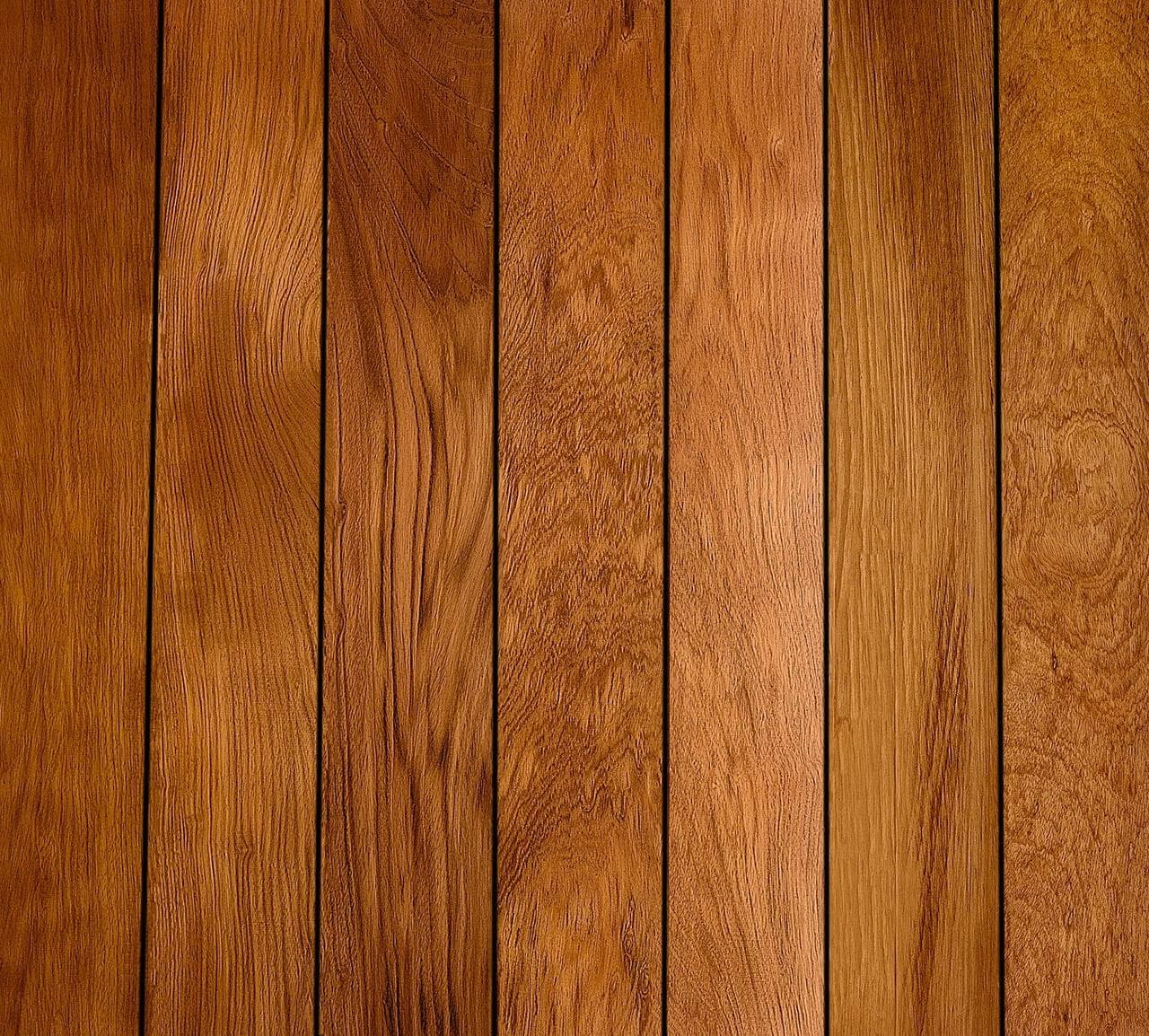
Understanding Jatoba's Properties for Shaded Sites
Jatoba is celebrated for its density and natural resistance, which makes it a suitable choice for various exterior applications. The wood is naturally resistant to mold and fungi, and also exhibits resistance to termites and general weather changes.
For shaded decks, the natural resistance to mold and fungi is a significant advantage, as these organisms thrive in damp, low-light conditions. However, even with this resistance, prolonged moisture exposure can still affect any wood. Proper planning and installation are crucial to maximize Jatoba's inherent benefits in a shaded setting.
Jatoba also has a distinctive color aging process, deepening to its characteristic 'Brazilian Cherry' hue over time. While this change will occur in shaded areas, the lack of direct UV exposure might influence the rate or intensity compared to a sun-exposed deck. Regular cleaning can help maintain its appearance.
The Importance of Ventilation in Shaded Areas
Adequate ventilation is perhaps the most critical factor when installing any decking material in a shaded environment. Without sufficient airflow, moisture can become trapped beneath the deck boards, leading to slower drying times and creating an environment conducive to biological growth, even for resistant woods like Jatoba.
Poor ventilation can also contribute to cupping or warping of deck boards over time. This occurs when there's a significant moisture differential between the top and bottom surfaces of the board. Ensuring air can circulate freely both above and, critically, below the deck is essential. This often means designing the deck structure with sufficient clearance from the ground and ensuring no obstructions block airflow.
Consider the surrounding landscape. Dense shrubbery, retaining walls, or solid skirting around the deck perimeter can impede airflow. Incorporate design elements that allow for continuous air movement, such as open lattice work or strategically placed vents, especially in areas with minimal natural air circulation.
Installation Considerations for Shaded Decks
When installing Jatoba decking in a shaded location, board spacing becomes even more critical. While specific spacing requirements depend on the exact product and local climate, allowing for slightly wider gaps between boards can aid in water drainage and accelerate drying. Always refer to the manufacturer's specific installation guidelines for precise spacing recommendations.
Pre-drilling is recommended for Jatoba due to its high density, regardless of the sun exposure. This helps prevent splitting during fastening. For hidden fastener systems, ensure the chosen system allows for the necessary board movement and airflow. Face-fastening, when done correctly, can also contribute to a secure installation.
The deck frame itself also plays a role in ventilation. Ensure that joists are properly spaced and that there is adequate clearance between the bottom of the joists and the ground. A minimum of 18 inches of clear space is often recommended for good airflow, but local conditions or specific product requirements may vary.
Cleaning and Maintenance for Shaded Jatoba Decks
Regular cleaning is vital for shaded Jatoba decks to prevent the accumulation of organic debris, which can trap moisture and encourage growth of mold or mildew. Even though Jatoba is naturally resistant, surface accumulation can still host these organisms. Sweeping or blowing off leaves, dirt, and other debris frequently is a simple yet effective practice.
Periodically, a more thorough cleaning with a deck cleaner compatible with hardwood is recommended. Always test any cleaning product on an inconspicuous area first to ensure it does not negatively affect the wood's appearance. Follow the product instructions carefully, including rinsing thoroughly to remove all residue.
While Jatoba can be polished to a beautiful shine, applying a finish or sealer can offer additional protection from moisture and help maintain its color. If you choose to finish your deck, select a product specifically designed for exterior hardwood decking and reapply as per the manufacturer's recommendations. This can be particularly beneficial in shaded areas where the wood might experience slower drying times after rain or dew.
Worked Example: Planning a Shaded Deck with Jatoba
Consider a hypothetical 10-foot by 12-foot deck in a backyard, primarily shaded by a large oak tree and a house overhang. The homeowner wants to use 5/4"x6" Jatoba decking boards, which measure approximately 1 inch thick by 5.5 inches wide. The goal is to maximize ventilation and minimize moisture retention.
This means 22 boards will be needed across the width. If the boards are oriented along the 12-foot length, you'd need 22 boards at 12 feet long. Total lineal feet: 22 boards * 12 feet/board = 264 lineal feet.
The perimeter will feature open lattice skirting instead of solid panels, ensuring continuous airflow. Additionally, the existing landscape will be trimmed to remove dense foliage directly beneath the deck. Regular cleaning will be scheduled, especially during leaf-shedding seasons, to prevent debris accumulation.
This approach addresses the unique moisture challenges of a shaded environment, leveraging Jatoba's natural resistance while proactively designing for optimal drying and maintenance.
Before you order
- Assess the primary source of shade: Is it constant, seasonal, or partial?
- Evaluate existing drainage around the deck area: Does water pool or drain away effectively?
- Plan for perimeter ventilation: Will skirting be open lattice or solid? Can vents be incorporated?
- Confirm Jatoba board spacing requirements from the manufacturer for your climate.
- Consider the use of a compatible deck sealer or finish to add moisture protection.
- Develop a regular cleaning schedule, especially for debris removal.
- Identify compatible cleaning products for hardwood decking and test them first.
- Review local building codes for deck ventilation and construction requirements.
Confirm installation details, approved uses and warranty terms in the current instructions for the exact product and profile. Your installer should verify the substrate, structure and applicable project requirements.
Questions to help you decide
Is Jatoba decking suitable for heavily shaded areas?
Yes, Jatoba decking can be suitable for heavily shaded areas due to its natural resistance to mold and fungi. However, proper ventilation and diligent maintenance are crucial to manage moisture and prevent the accumulation of debris that can trap moisture and foster growth. Designing for good airflow both above and below the deck is essential.
How often should I clean a Jatoba deck in a shaded environment?
For a shaded Jatoba deck, regular cleaning is particularly important. You should sweep or blow off leaves and debris frequently, ideally weekly or bi-weekly, especially during seasons when foliage is falling. A more thorough cleaning with a compatible deck cleaner is recommended quarterly or as needed, depending on the level of debris and moisture exposure.
What is the best way to ensure good ventilation under a shaded Jatoba deck?
Avoid solid skirting around the deck perimeter; instead, use open lattice work or install vents to allow continuous airflow. Trim back any dense landscaping directly underneath or around the deck that could obstruct air movement. These measures help the deck dry out faster after rain or dew.
Ready to Plan Your Shaded Jatoba Deck?
Request a material quote with your project dimensions, desired Jatoba profile, and ZIP code. We can help confirm current availability and service options for your unique project needs.
Request a material quote →