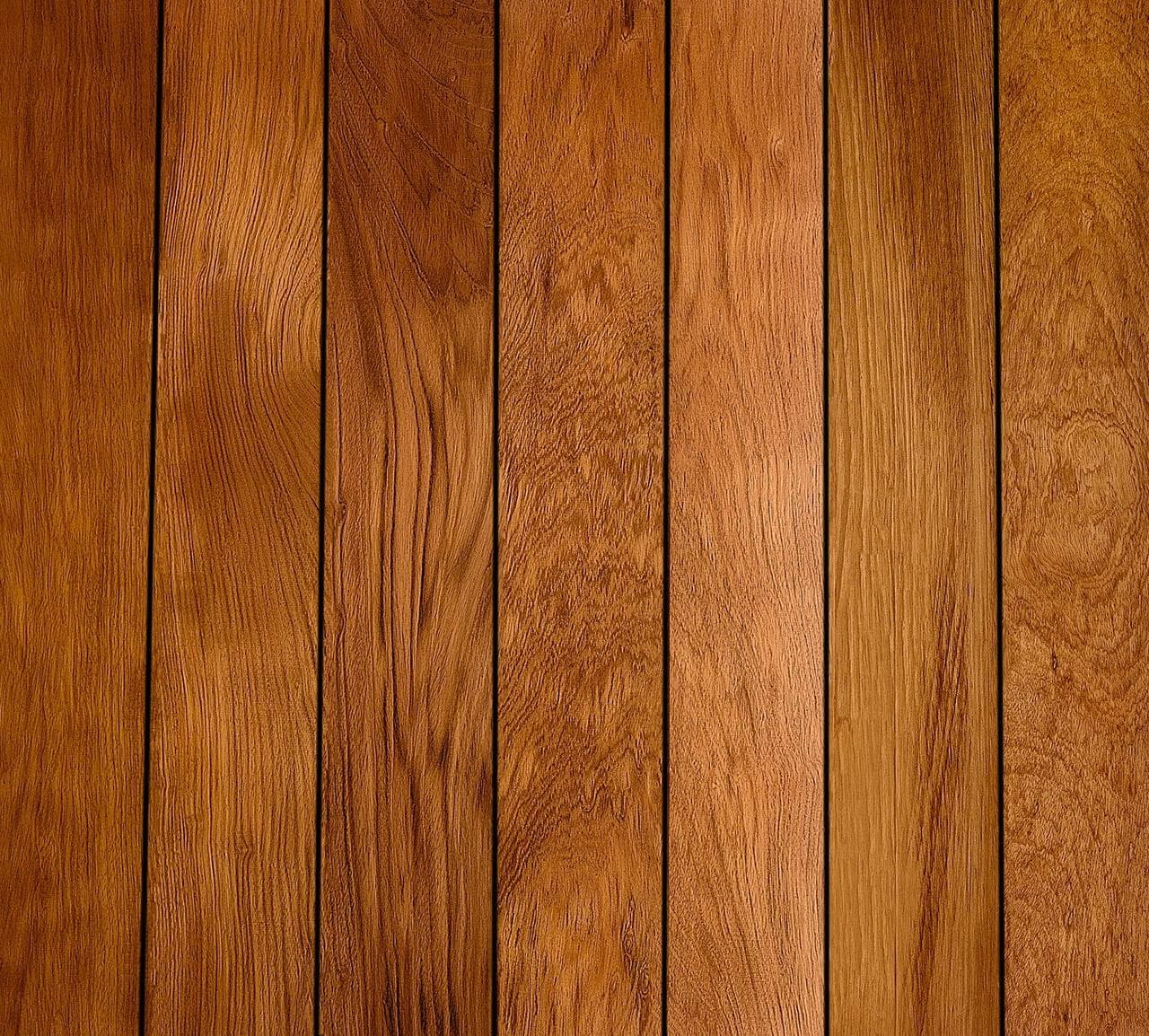
The Advantages of Jatoba for Elevated Decks
Jatoba hardwood is a robust choice for any decking project, and its properties are particularly beneficial for second-story applications. Its high strength and durability mean it can withstand varied weather conditions and foot traffic over many years. This inherent resilience is crucial for elevated structures that are exposed to the elements and require a material that can maintain its integrity.
Beyond its strength, Jatoba is naturally resistant to termites, mold, and fungi, which are important considerations for any outdoor structure, especially one that may have less direct sunlight or ventilation beneath it. Its deep red hue, which develops as it ages, also provides an aesthetic appeal that can enhance the visual impact of an elevated deck.
Jatoba is available in profiles such as 5/4"x6" (actual 1" x 5.5") in lengths ranging from 3 to 24 feet, offering flexibility for various deck sizes and designs.
Structural Framing and Support for Elevated Decks
The foundation of any second-story deck, especially one featuring a dense hardwood like Jatoba, is its structural framing. Unlike ground-level decks, elevated structures bear additional loads and are subject to different wind and seismic forces depending on the region. It is essential to consult with a structural engineer or a qualified design professional to ensure the framing system can adequately support the weight of the decking, furniture, occupants, and potential snow loads.
The framing material, whether treated lumber or steel, must be appropriate for exterior use and resistant to rot and insect damage. Joist spacing is a critical factor; while general guidelines exist, the specific dimensions and span ratings for Jatoba decking should be confirmed with the manufacturer's installation instructions. Adequate joist spacing prevents deflection and ensures the long-term stability of the deck surface. Fastening methods for the decking boards also rely on a solid, level sub-structure, with pre-drilling recommended for Jatoba due to its density.
Connecting the deck to the main structure of the house requires careful attention to flashing and ledger board attachment to prevent water intrusion into the building envelope. This is particularly important for second-story decks where water penetration can lead to significant damage to the underlying structure and interior spaces.
Drainage and Water Management
One of the most critical aspects of a second-story deck is managing water runoff. Jatoba decking, like most decking materials, is not designed to be a waterproofing system. Water will pass through the gaps between the boards. For a second-story deck, this means planning for what happens to the water underneath.
If the area below the deck is intended to be dry, such as a patio, living space, or storage area, an under-deck drainage system is necessary. These systems typically consist of troughs or membranes installed beneath the joists, designed to capture water and channel it away from the structure. Without proper drainage, water can collect, leading to potential damage to the deck's framing, the house's foundation, or creating an unusable space below.
Consider the slope of the deck surface itself. While the decking boards are laid flat, the framing beneath should incorporate a slight slope (typically 1/8 to 1/4 inch per foot) away from the house to encourage water flow towards the outer edge and into the drainage system. Proper ventilation beneath the deck is also important to prevent moisture buildup that could affect the longevity of the wood and framing.
Access and Safety Considerations
Access to a second-story deck involves more than just stairs. Consider the primary entry points from the interior of the house, ensuring doors are properly sealed and flashed. For exterior access, design robust and code-compliant staircases. The material choice for stairs should complement the Jatoba decking, with Jatoba itself being suitable for exterior joinery and stairs.
Safety railings are non-negotiable for any elevated deck. Railing height, picket spacing, and structural integrity must adhere to local building codes. When selecting railing materials, consider how they will integrate with the deep red tones of Jatoba. Options range from traditional wood balusters to metal or cable railing systems, each offering different aesthetic and maintenance profiles.
During construction, ensure safe access for workers and materials. Lifting heavy Jatoba boards to a second story requires careful planning and equipment. Post-construction, consider long-term maintenance access. While Jatoba is very durable, it will benefit from periodic cleaning and, if desired, re-finishing. Ensure there are safe ways to access all parts of the deck for these tasks.
Hypothetical Project Example: A 12x16 Foot Second-Story Jatoba Deck
Let's consider a hypothetical second-story deck project measuring 12 feet by 16 feet, intended to be built directly off a master bedroom. The homeowner desires a durable, low-maintenance surface with a rich, natural appearance.
An under-deck drainage system, consisting of corrugated panels and gutters, is planned to keep the patio below dry.
Allowing for cuts and potential future repairs, an additional 10-15% is typically recommended, bringing the total to around 460-480 linear feet. This translates to roughly 85-88 individual 5/4"x6" boards of varying lengths (e.g., eight 16-foot boards for the main run, and a mix of 12-foot and shorter lengths for ends and waste reduction).
Installation Considerations: Due to Jatoba's density, pre-drilling all fastener locations is essential to prevent splitting. Hidden fasteners are chosen to maintain a clean surface aesthetic. A sturdy staircase with Jatoba treads and risers, complemented by a metal railing system, provides safe access and a contemporary look. The project also includes ensuring a proper ledger board attachment and flashing to the house, protecting against water intrusion.
Before you order
- Consult a structural engineer for framing design and load calculations.
- Verify local building codes for elevated decks, railings, and stairs.
- Plan for adequate joist spacing to support Jatoba decking.
- Decide on an under-deck drainage system if the area below needs to be dry.
- Incorporate a slight slope in the framing for water runoff.
- Choose appropriate fastening methods, considering Jatoba's density.
- Select railing materials that complement Jatoba and meet safety codes.
- Plan for safe access during construction and for future maintenance.
- Confirm the availability of desired Jatoba board profiles and lengths.
Confirm installation details, approved uses and warranty terms in the current instructions for the exact product and profile. Your installer should verify the substrate, structure and applicable project requirements.
Questions to help you decide
Is Jatoba suitable for a second-story deck in all climates?
Jatoba is a very durable and high-strength hardwood, resistant to weather changes, making it suitable for a wide range of climates. However, local climate conditions, such as extreme temperature fluctuations or consistent heavy rainfall, should always be considered in the overall deck design, particularly regarding framing and drainage. Its natural resistance to termites and fungi is a benefit in humid environments.
What kind of maintenance does Jatoba decking require on an elevated deck?
Jatoba decking requires standard hardwood deck care. This typically involves periodic cleaning to remove dirt, mildew, and debris. While Jatoba is durable, applying a UV-inhibiting finish can help preserve its deep red color; otherwise, it will naturally silver over time. Regular inspection for any loose fasteners or damaged boards is also recommended, especially for elevated structures where access might be more challenging.
How do I ensure proper ventilation for a second-story Jatoba deck?
Proper ventilation for a second-story deck is crucial to prevent moisture buildup and promote the longevity of both the decking and the underlying structure. This involves ensuring open airflow around the perimeter of the deck and between the joists. Avoid designs that completely enclose the underside of the deck without providing vents. The gaps between the decking boards also contribute to airflow, but additional measures may be needed depending on the deck's height and surrounding structures.
Plan Your Second-Story Jatoba Deck
Ready to elevate your outdoor living space with Jatoba decking? Request a material quote with your project dimensions, desired Jatoba profile, and ZIP code to confirm current availability and service options for your elevated deck project. Explore our full range of decking materials, including other hardwoods like Ipe, as well as composite and PVC options, to find the perfect fit for your vision.
Request a material quote →