Why Consider Jatoba for Commercial Patios?
Jatoba is a high-strength hardwood known for its durability and resistance to various elements. These characteristics are particularly valuable in a commercial setting where a deck needs to withstand heavy use and remain presentable. Its natural resistance to termites and weather changes contributes to its longevity, which is a key factor for any business investment.
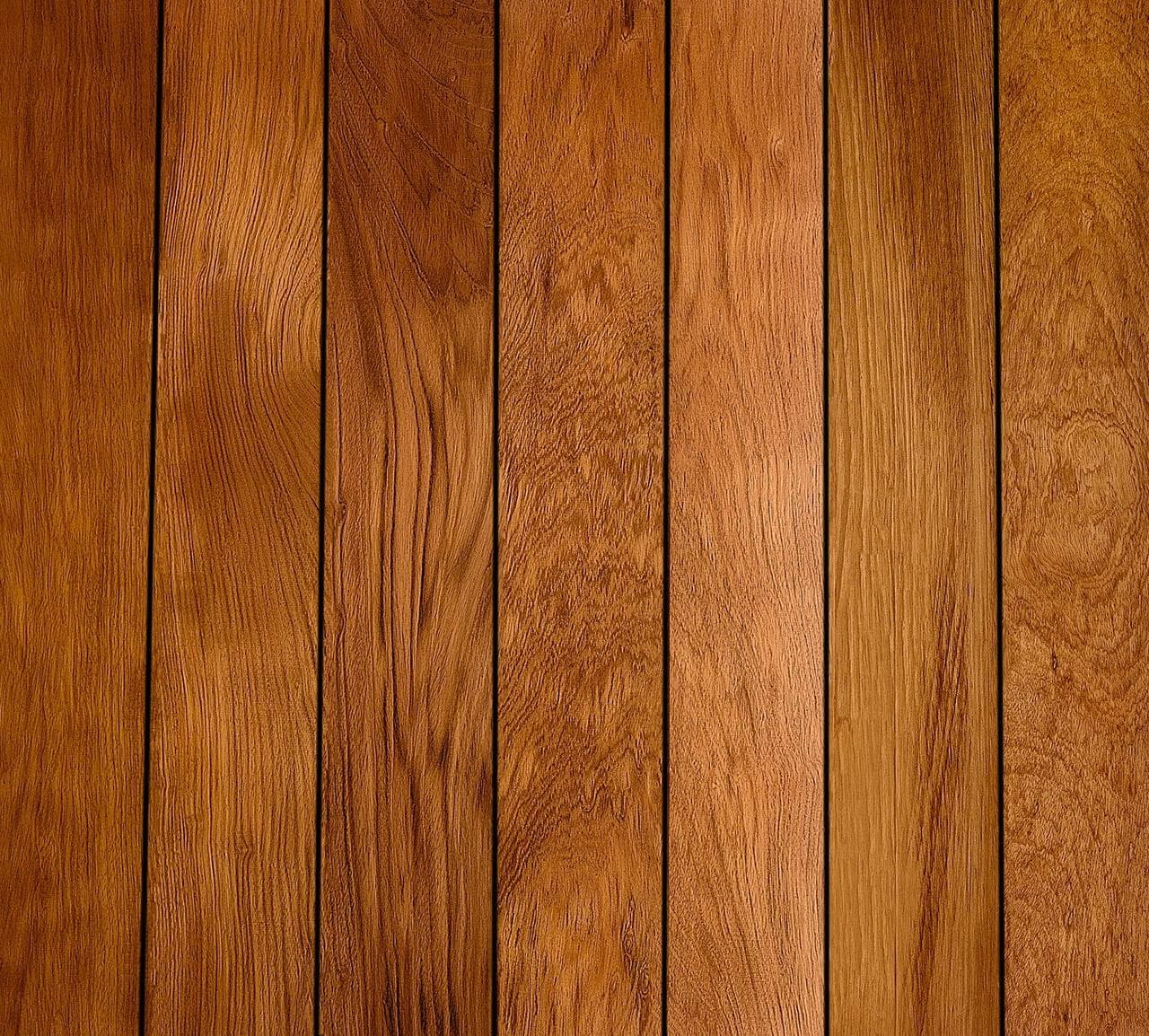
The wood's rich, deep red color, which develops further with age, can enhance the aesthetic appeal of a patio, creating a warm and sophisticated ambiance. This visual quality, combined with its ability to be polished to a beautiful shine, allows it to contribute significantly to the overall dining experience. Jatoba's robustness means it can endure the daily wear and tear of a busy restaurant, from moving furniture to frequent cleaning.
This inherent strength is a primary reason for its suitability in high-traffic commercial applications.
Jatoba also exhibits natural resistance to mold and fungi, which can be a concern in outdoor dining areas prone to spills and moisture. This resistance can simplify maintenance routines and help preserve the hygiene and appearance of the patio surface over time.
Planning Your Patio Layout and Seating
The layout of a restaurant patio directly impacts customer experience and operational efficiency. When designing with Jatoba decking, consider how the board direction will complement the flow of traffic and the arrangement of tables and chairs. A well-planned layout can minimize wear in specific areas and enhance the overall aesthetic.
For example, if your patio is a long, narrow space, running the decking boards parallel to the longest dimension can visually extend the area. For a square or more expansive patio, a diagonal layout or a picture-frame border can add visual interest. These design choices should be made in conjunction with the structural support system to ensure proper installation and longevity.
Consider the placement of fixed elements such as planters, outdoor heaters, or service stations. These should be integrated into the design to avoid creating obstacles or uneven wear patterns on the decking. Ensure adequate spacing between tables and chairs to allow for comfortable movement for both customers and staff, meeting any local accessibility guidelines.
A hypothetical restaurant patio measuring 20 feet by 30 feet (600 square feet) could be designed with 5/4"x6" (1" x 5.5" finished) Jatoba boards. This layout would visually elongate the space, suitable for a bustling dining area. Always factor in extra material for cuts and potential waste, typically 10-15% beyond the net area.
Installation Considerations for Commercial Use
Installing Jatoba decking for a commercial patio requires careful attention to detail to ensure structural integrity and a durable surface. Pre-drilling is recommended for fastening Jatoba boards due to its high density. This helps prevent splitting and ensures a secure attachment. Using appropriate fasteners designed for hardwood decking is essential for long-term stability.
Proper ventilation beneath the deck is crucial for any outdoor wood installation, especially in commercial settings where spills and moisture are common. Adequate airflow helps to prevent moisture accumulation, which can contribute to wood movement or decay. Consult local building codes and manufacturer guidelines for specific ventilation requirements.
Board spacing is another critical factor. While Jatoba is resistant to weather changes, all wood expands and contracts with changes in humidity and temperature. Following the manufacturer's recommended spacing between boards is essential to allow for this natural movement and to facilitate drainage of rainwater and spills.
For exterior joinery, stairs, and other structural elements, Jatoba's high strength makes it a suitable choice. However, its tannins may complicate gluing, and slow drying is advised during any fabrication or finishing processes. These details should be communicated to your installer to ensure best practices are followed.
Maintenance for High-Traffic Patios
Maintaining a Jatoba patio in a restaurant environment is key to preserving its appearance and extending its lifespan. While Jatoba is naturally durable and resistant to mold and fungi, regular cleaning is necessary to remove food debris, spills, and general grime that accumulate in a commercial setting.
Routine cleaning typically involves sweeping and occasional washing with a mild cleaner and water. Avoid harsh chemicals that could damage the wood or its finish. For commercial patios, pressure washing on a low setting can be effective, but always test a small, inconspicuous area first and maintain a safe distance to prevent surface damage.
Jatoba can be polished to a beautiful shine, and periodic application of an appropriate deck oil or sealant can help maintain its rich color and provide an additional layer of protection against UV rays and moisture. Without a finish, Jatoba will naturally weather to a silver-gray patina over time. The choice to maintain the original deep red hue or allow it to gray is an aesthetic decision for the restaurant.
Addressing spills promptly is vital. For food or drink spills, clean the area immediately to prevent staining. For oil or grease, specialized wood cleaners may be necessary. Always refer to the specific cleaning product's instructions and ensure compatibility with Jatoba decking.
Specification Review and Product Selection
When selecting Jatoba decking for a restaurant patio, review the product specifications carefully. Key details include the board profile and available lengths. Lumber Plus typically offers Jatoba in a 5/4"x6" profile, which finishes to approximately 1" x 5.5" and is available in lengths from 3 to 24 feet. These dimensions are suitable for most decking applications, including commercial patios.
Consider how board lengths will impact your layout and minimize waste. Longer boards can result in fewer seams, creating a more continuous and aesthetically pleasing surface. However, shorter boards might be more economical for intricate patterns or smaller sections. Discuss your layout plans with your supplier to optimize board length selection.
Ensure that the Jatoba you select is kiln-dried (KD). Kiln-dried lumber has a lower and more stable moisture content, which helps reduce movement after installation. This stability is particularly important for commercial projects where consistent performance is expected.
Reviewing product documentation, including installation guides and maintenance recommendations, before purchasing is essential. This ensures that the material is appropriate for your intended commercial use and helps in planning for its long-term care.
Before you order
- Verify local building codes and commercial use approvals for outdoor decking materials.
- Assess expected foot traffic and specific wear patterns for your patio layout.
- Confirm the desired aesthetic: rich red hue (with maintenance) or natural silver-gray patina.
- Plan seating arrangements and traffic flow to optimize board direction and minimize wear.
- Budget for professional installation, including pre-drilling and proper fastening for dense hardwoods.
- Factor in adequate under-deck ventilation to prevent moisture issues.
- Select appropriate board lengths (3-24 ft available in 5/4"x6" profile) to minimize waste and optimize layout.
- Confirm that the material is kiln-dried (KD) for stability in outdoor commercial applications.
- Establish a regular cleaning and maintenance schedule suitable for a commercial environment.
- Identify compatible cleaning products and finishes for Jatoba to preserve its appearance.
Confirm installation details, approved uses and warranty terms in the current instructions for the exact product and profile. Your installer should verify the substrate, structure and applicable project requirements.
Questions to help you decide
Is Jatoba suitable for high-traffic commercial areas like restaurant patios?
Yes, Jatoba is well-suited for high-traffic commercial areas. Its natural resistance to termites, mold, fungi, and weather changes makes it a robust choice for demanding environments like restaurant patios, where it can maintain its appearance and structural integrity over time.
How should Jatoba decking on a restaurant patio be maintained?
Maintenance for Jatoba decking on a restaurant patio involves regular sweeping to remove debris and frequent washing with a mild cleaner and water to address spills and grime. Promptly clean any food or drink spills to prevent staining. For preserving its deep red color, periodic application of a suitable deck oil or sealant is recommended. If left untreated, Jatoba will naturally weather to a silver-gray. Always use cleaning products compatible with hardwood decking.
What are the common dimensions for Jatoba decking boards?
Jatoba decking is commonly available in a 5/4"x6" profile, which finishes to approximately 1" x 5.5". Boards are typically offered in a range of lengths from 3 to 24 feet. These dimensions provide flexibility for various patio designs and allow for efficient material usage, especially when planning to minimize seams and waste in larger commercial installations.
Plan Your Restaurant Patio with Jatoba Decking
Ready to enhance your restaurant's outdoor dining experience with durable and elegant Jatoba decking? Request a material quote by providing your project dimensions, desired profile, and ZIP code. We can also confirm current availability and service options to help you get started.
Request a material quote →