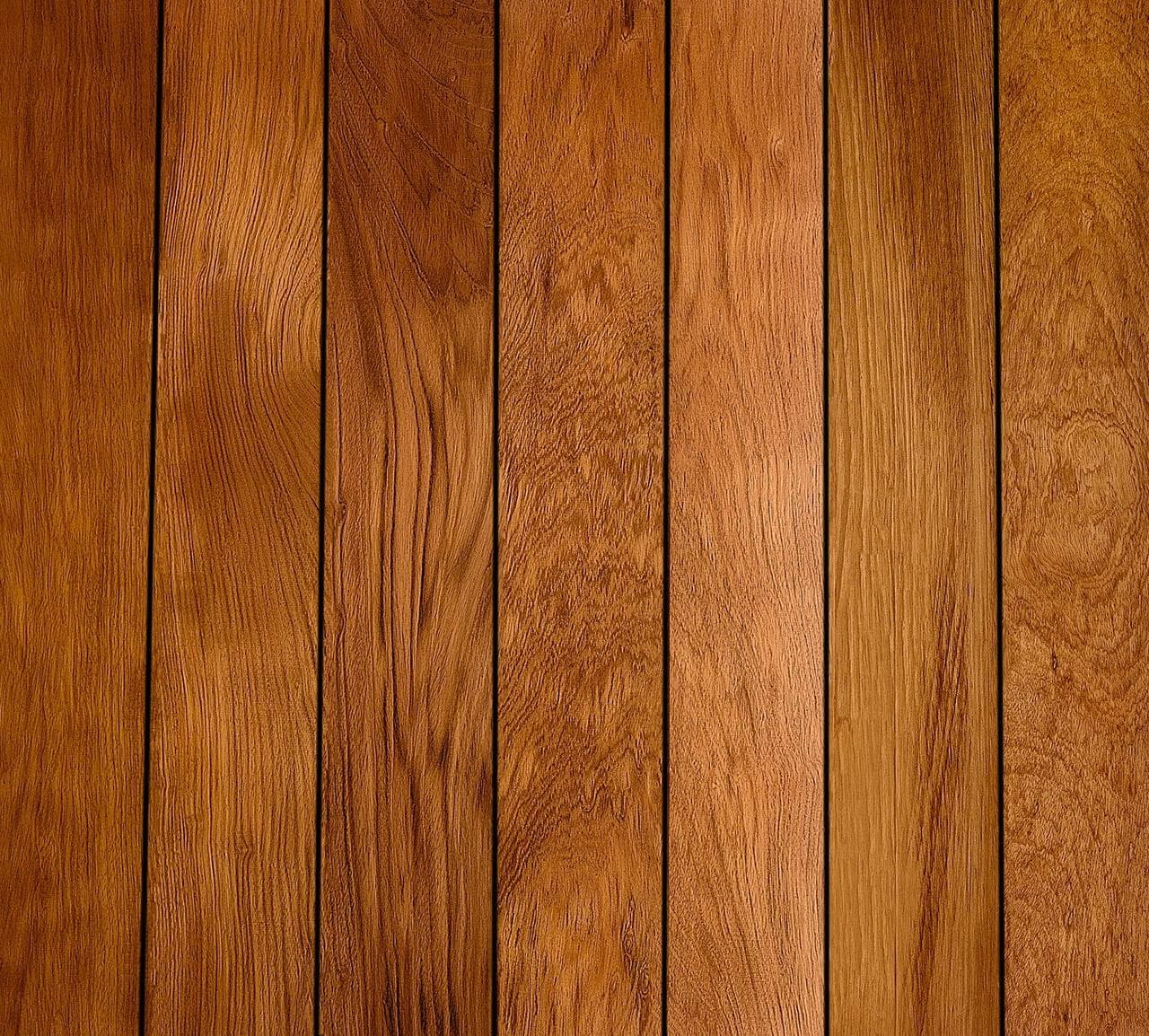
Why Exact Identification Matters for Jatoba Decking Repairs
Jatoba, also known as Brazilian Cherry, is valued for its durability and distinctive deep reddish-brown color that develops with age. However, these very qualities can make repairs challenging if not approached with precision. A new Jatoba board will likely have a lighter, fresher color than an aged installed board, and its milling profile (e.g., board thickness and width, edge treatment) must match for proper fit and appearance.
Attempting to replace a board without proper identification can lead to mismatched colors, uneven surfaces, or gaps that compromise the deck's aesthetic and structural integrity. Investing time in this initial identification phase can save significant effort and cost later.
Identifying the Species and Botanical Name
While "Jatoba" is a common trade name, its botanical name is *Hymenaea courbaril*. Confirming this specific species is crucial because other hardwoods might be marketed with similar common names. If you have original project documentation, it should list the botanical name. If not, visual inspection for the characteristic deep red hues and tight grain can help, but it's best to compare with known samples.
Jatoba is recognized for its high strength, very durable nature, and resistance to termites and weather changes. These properties contribute to its longevity, often exceeding 25 years. Understanding these inherent characteristics helps confirm you are indeed working with Jatoba.
For replacement, always specify *Hymenaea courbaril* to ensure you are sourcing the correct wood species. This detail is especially important if your decking was installed many years ago, as sourcing practices can evolve over time.
Assessing Board Dimensions: Thickness and Width
The physical dimensions of your existing Jatoba boards are critical. Even small discrepancies in thickness or width can create noticeable steps or gaps. Carefully measure several existing boards, focusing on both thickness and width. Standard nominal sizes, such as 5/4"x6" (which typically mills to 1" x 5.5" actual dimensions), are common, but variations exist. Use a caliper for precise measurements if possible.
Consider the original spacing between boards. Hardwood decking, including Jatoba, requires specific spacing to allow for natural expansion and contraction due to moisture and temperature changes. If your existing deck has consistent spacing, replacement boards should be milled to accommodate this. Do not assume all boards of a given nominal size will have identical actual dimensions across different manufacturers or production batches.
Matching the Profile: Edge Treatment and Fastening System
The board profile refers to the shape of its edges. Common profiles include square edge (for face fastening) or grooved edge (for hidden fasteners). Examine your existing deck to determine if the boards are face-fastened (screws visible on the surface) or if they use a hidden fastening system (no visible fasteners on the board surface).
If using hidden fasteners, the groove profile must match precisely for the new board to integrate correctly with the existing clips or fastening system. If face-fastened, the edge profile (e.g., slightly eased, square) should be consistent to maintain a uniform appearance. Always verify the specific profile by comparing physical samples or detailed product specifications.
Jatoba is a dense hardwood, and pre-drilling is recommended for fastening during installation to prevent splitting. This applies to both original installation and replacement boards.
Considering Color Aging and Finishing
Jatoba is known for its natural color aging, where it deepens to a rich reddish-brown, earning it the nickname "Brazilian Cherry." A newly installed Jatoba board will typically appear lighter and will not immediately match the aged color of existing boards. This color difference is a natural characteristic of the wood.
If your deck has a finish (e.g., oil, sealer), this will also impact the color and appearance. If possible, identify the original finish used. Applying the same type of finish to new boards can help them integrate more smoothly, though it will still take time for the natural aging process to occur. Some owners choose to let new boards age naturally before applying a finish to allow for initial color development.
Worked Example: Replacing a Damaged 5/4"x6" Jatoba Deck Board
Imagine you need to replace a damaged board on a 10-year-old Jatoba deck. The damaged board is 12 feet long. You observe that the deck boards are face-fastened with visible screws and have slightly eased edges.
**Step 1: Confirm Species and Profile.** You check old project documents and confirm the original material was indeed Jatoba (*Hymenaea courbaril*), 5/4"x6" nominal, kiln-dried (KD), with eased edges. For replacement, you will specifically request 5/4"x6" KD Jatoba boards with an eased edge profile.
**Step 2: Account for Length.** The damaged board is 12 feet. While you might only need a 12-foot section, it's often prudent to order a slightly longer board (e.g., 14 or 16 feet, depending on available lengths) to allow for precise cuts and potential end-trimming. Jatoba decking is typically available in lengths from 3 to 24 feet.
**Step 3: Consider Color Matching.** You understand that a new board will be lighter. You decide to order the replacement board and install it. After installation, you plan to apply a compatible deck oil to the new board and, after a few months of weathering, consider a light cleaning and re-oiling of the entire deck to help blend the new and old sections.
**Step 4: Quantify the Order.** For one 12-foot board, you would typically order one 12-foot length of 5/4"x6" Jatoba, or the next available longer length to accommodate cuts. If multiple boards of varying lengths are needed, sum the total linear footage and add a waste factor (e.g., 10-15%) to account for cuts and potential defects.
By following these steps, you ensure the replacement board will fit physically and that you have a plan to address the natural color differences, resulting in a more successful repair.
Before you order
- Identify the botanical name: Is it *Hymenaea courbaril*?
- Measure existing board thickness (actual, not just nominal).
- Measure existing board width (actual, not just nominal).
- Determine the edge profile: Is it square edge, eased edge, or grooved for hidden fasteners?
- Identify the fastening method: Are screws visible (face-fastened) or hidden?
- Note the current color: Is it the deep reddish-brown of aged Jatoba, or lighter?
- Check for existing finish: Is there an oil, sealer, or stain applied?
- Estimate required linear footage, adding a waste factor for cuts.
- Consider ordering a sample piece for comparison if available.
Confirm installation details, approved uses and warranty terms in the current instructions for the exact product and profile. Your installer should verify the substrate, structure and applicable project requirements.
Questions to help you decide
How do I match the color of a new Jatoba board to my old deck?
New Jatoba boards will naturally appear lighter than aged boards due to exposure to UV light and weathering. While an exact immediate match is unlikely, applying a compatible deck oil or sealer to the new board can help. Over time, the new board will darken and blend more closely with the existing deck. Some owners choose to let new boards weather for a few months before applying a finish to encourage initial color development.
What if I can't find the exact same profile of Jatoba board?
If the exact profile (e.g., edge treatment or groove for hidden fasteners) is unavailable, you may need to consider custom milling for a perfect match, or adapt the installation. For face-fastened decks, a square-edge board can often be routered to match an eased edge. For hidden fastener systems, a precise match is more critical for proper fit and stability. Consult with a lumber specialist for options.
Do I need to pre-drill for fasteners when replacing Jatoba boards?
Yes, pre-drilling is highly recommended when working with Jatoba, both for original installation and replacement. This is crucial for the longevity and structural integrity of your repair.
Ready to Repair Your Jatoba Decking?
Provide your project dimensions, desired profile, and ZIP code to request a material quote. We can help confirm current availability and service options for your Jatoba decking needs.
Request a material quote →