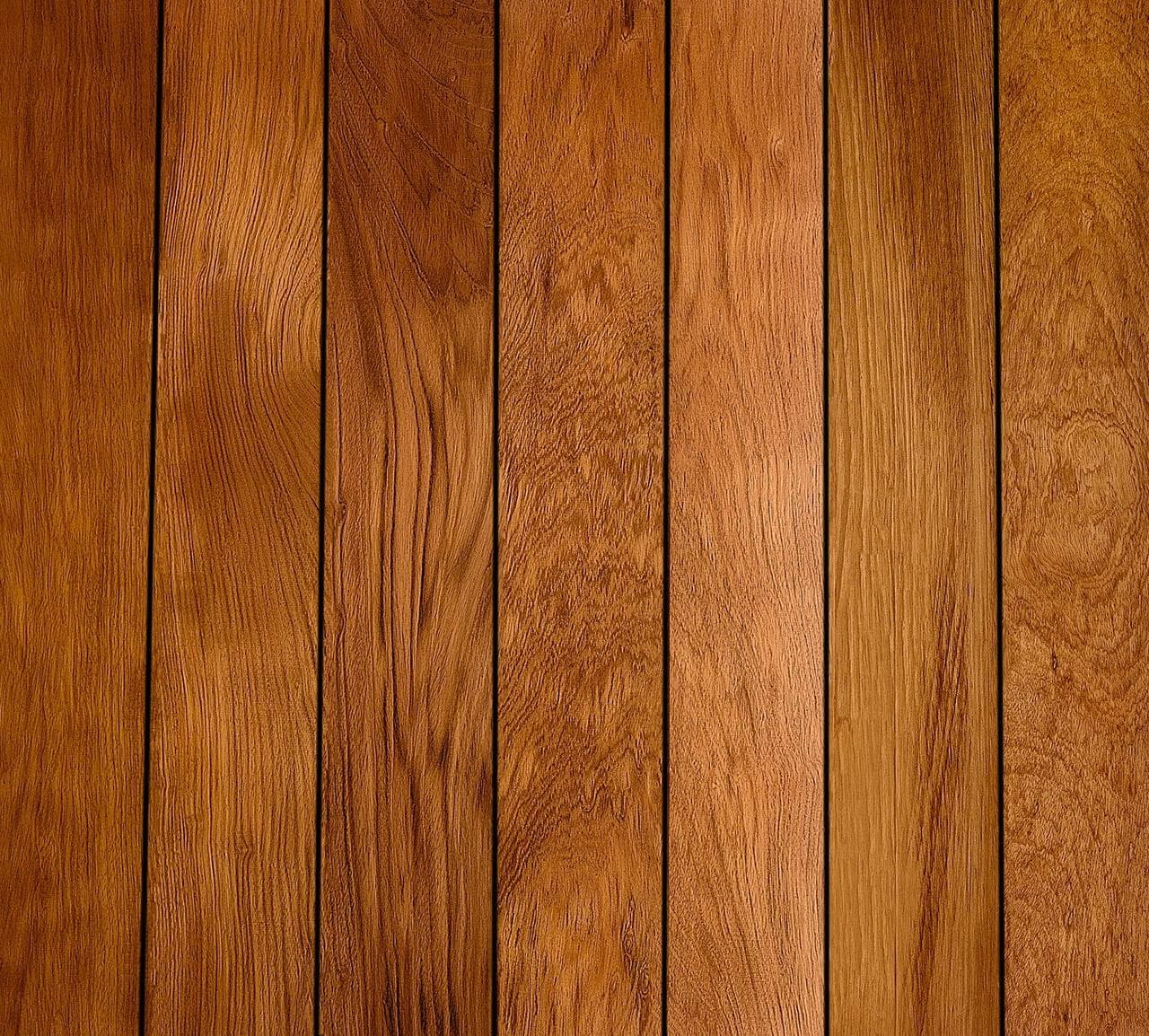
The Initial Investment in Jatoba Decking
Jatoba decking is a high-strength, very durable hardwood known for its resistance to termites and weather changes. It is available in profiles such as 5/4"x6" (1" x 5.5" finished size) and lengths ranging from 3 to 24 feet. The initial purchase cost reflects these inherent qualities and the sourcing of this Brazilian hardwood. While specific pricing varies, Jatoba typically falls into a higher price tier compared to many common decking materials.
When budgeting for the initial purchase, consider not only the board footage but also any specialized fasteners, trim, and professional installation services. Pre-drilling is recommended for Jatoba, which can influence installation time and labor costs. Its density and strength, while beneficial for durability, mean it requires robust tools and experienced installers.
Understanding Jatoba's Natural Characteristics and Maintenance
Jatoba is celebrated for its natural resistance to mold, fungi, termites, and weather changes. It also possesses excellent durability and decay resistance. These natural attributes contribute to its long-term performance and reduce the need for certain protective treatments often required by less durable woods.
However, like all natural hardwoods, Jatoba will undergo changes over time. It is nicknamed "Brazilian Cherry" for the deep red color it develops through aging. If left untreated, the wood will naturally weather to a silver-gray patina. To preserve its rich, deep red appearance, regular application of a UV-protective finish or oil is necessary. This is a primary ongoing ownership task.
Worked Example: Estimating Maintenance for a 200 sq ft Jatoba Deck
Let's consider a hypothetical 200-square-foot deck made with Jatoba decking, assuming a standard 5/4"x6" profile. For this example, we'll focus on maintaining the original deep red color.
**Year 1: Initial Finishing** After installation, the deck would typically receive its first protective finish. This involves cleaning the new wood, allowing it to dry, and then applying a high-quality UV-protective oil or sealer. For 200 sq ft, this might require 2-3 gallons of product (depending on coverage rates) and approximately 8-12 hours of labor for application, plus drying time.
**Ongoing Maintenance (Every 1-2 Years): Re-oiling/Sealing** To retain the deep red color, the deck will likely need re-oiling every 1 to 2 years, depending on sun exposure and local climate. Each maintenance cycle would involve cleaning the deck thoroughly to remove dirt and mildew, followed by re-application of the finish. This could involve similar material quantities and labor hours as the initial application, plus the cost of cleaning solutions and brushes/applicators. Over five years, this could mean 2-3 re-oiling cycles, each a commitment of time and material cost.
**Annual Cleaning** Even with regular re-oiling, annual cleaning is advisable to remove surface dirt, pollen, and light mildew. This typically involves a deck cleaner and a soft-bristle brush, followed by rinsing. This is a lighter task but still requires a few hours of effort and the cost of cleaning products annually.
Comparing Jatoba to Other Decking Materials for Long-Term Tasks
When evaluating Jatoba, it's useful to compare its ownership tasks to other popular decking options.
**Composite Decking:** Many composite and PVC decking materials are designed for minimal maintenance, often requiring only periodic cleaning with soap and water. They do not typically require sanding, staining, or sealing to maintain their color, as their color is integral to the material. The initial cost for these materials can sometimes be higher than natural hardwoods, but the long-term material and labor costs for finishing are significantly reduced.
**Other Hardwoods (e.g., Ipe):** Other dense hardwoods like Ipe share similar maintenance profiles with Jatoba. They also benefit from regular oiling to maintain their rich color and can weather to a silver-gray if left untreated. The choice between different hardwoods often comes down to specific aesthetic preferences, available profiles, and initial material cost.
**Softwoods (e.g., Pressure-Treated Pine):** Softer woods like pressure-treated pine generally have a lower initial cost but often require more frequent maintenance, including cleaning, sealing, and potentially staining, to prevent rot, insect damage, and splintering. Their lifespan can also be shorter compared to durable hardwoods, potentially leading to earlier replacement costs.
Factors Influencing Ownership Costs and Time
Several factors will influence the actual time and cost involved in maintaining your Jatoba deck:
**Sun Exposure:** Decks in full sun will typically require more frequent re-oiling than those in shaded areas, as UV rays accelerate color fading and finish degradation.
**Climate:** Humid climates may require more frequent cleaning to manage mildew growth, while dry climates might necessitate more attention to keeping the wood hydrated with appropriate finishes.
**Usage:** High-traffic decks, especially those with heavy furniture or frequent spills, may show wear faster and require more localized cleaning or touch-ups.
**Professional vs. DIY:** Performing maintenance tasks yourself can save on labor costs, but requires a time commitment and the right tools. Hiring professionals adds labor costs but ensures consistent application and expertise. Consider your comfort level and available time for DIY projects.
Before you order
- Estimate your deck's total square footage for material purchasing.
- Decide if you prefer the natural silver-gray patina or the maintained deep red color.
- Research UV-protective oils or sealers compatible with Jatoba and their average coverage rates.
- Budget for cleaning supplies: deck cleaner, brushes, and potentially a pressure washer (used carefully).
- Account for labor costs if hiring professionals for installation and ongoing maintenance.
- Consider your climate's impact on maintenance frequency (sun exposure, humidity).
- Assess your willingness and time availability for DIY maintenance tasks.
- Compare the estimated total ownership cost over 5-10 years with other decking materials.
Confirm installation details, approved uses and warranty terms in the current instructions for the exact product and profile. Your installer should verify the substrate, structure and applicable project requirements.
Questions to help you decide
How often does Jatoba decking need to be sealed or oiled?
To maintain its original deep red color, Jatoba decking typically requires re-oiling or sealing every 1 to 2 years, depending on factors like sun exposure and climate. If left untreated, it will naturally weather to a silver-gray patina.
Is Jatoba decking resistant to insects and decay?
Yes, Jatoba is naturally resistant to termites, mold, and fungi, and it offers excellent durability and decay resistance. This natural resilience contributes to its long-term performance in outdoor applications.
What is the typical lifespan of Jatoba decking?
Jatoba is a very durable hardwood with a reputation for longevity. With proper installation and maintenance, it is known to perform well for many years, making it a long-term investment for outdoor projects.
Request a Material Quote for Your Jatoba Decking Project
Ready to plan your deck? Provide your project dimensions, desired Jatoba profile, and ZIP code to request a material quote. We can help confirm current availability and service options for your location. Visit our contact page to get started.
Request a material quote →